


It is a truth universally acknowledged that the book is a perfect Christmas gift. So, we start this festive season issue with a collection of book recommendations that will fit snugly in your Christmas stocking, those wee treats that will make you laugh, marvel and share with your friends and family.
 Coorie In A tae Z
Published by Wee Book Company, £5.99
Tae coorie in
it’s a verb a richt
but jist wha does it mean?
Books say cuddlin, snugglin, cosy an tight
an a’hing in between . . .
Leaf through a wee treasure trove of Scots poems in this A to Z sharing wisdom a’ aboot the muckle great joys o’ bidin a’ hame. And this winter, that’s a great idea!
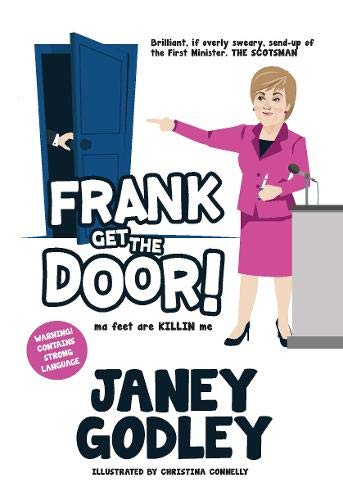 Frank, Get the Door, by Janey Godley
Published by Luath Press, £12.00
‘Ye’ve been TELT. Everybuddy’s gonnae die if yeez aw keep gaun aboot an meetin each other an gaun hame wi a virus oan ye. So Ah’ve telt ye wance an Ah’m no gonnae tell ye again. This is the official line. If Ah see any o you oot there, Ah’m gonnae take a run an pit ma toe up the crack o yer a*se. SO QUIT IT! Stey in the hoose, wash yer hands an keep yer family safe.’
Guaranteed to give you a giggle, the gallus Glesga humour of Janey Godley, who has been providing much-needed relief during the coronavirus pandemic and gained mass recognition since the start of lockdown.
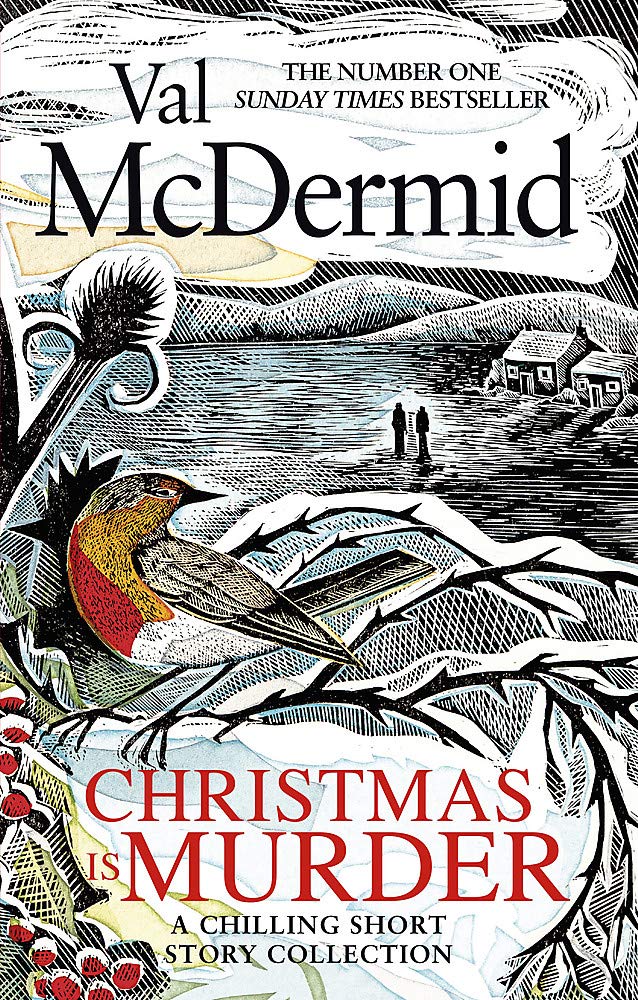 Christmas is Murder, by Val McDermid
Published by Sphere, £10.00
‘Making sense of things was what Bradfield Police paid Tony for. But sometimes it was easier than others. This was not one of those occasions.’
In this collection of chilling tales from the Queen of Crime, Val McDermid, the dark and sinister stories inside are sure to shock and delight you. This festive exclusive is loaded with enigmatic and dangerous characters that will stir your suspicion from the get go.
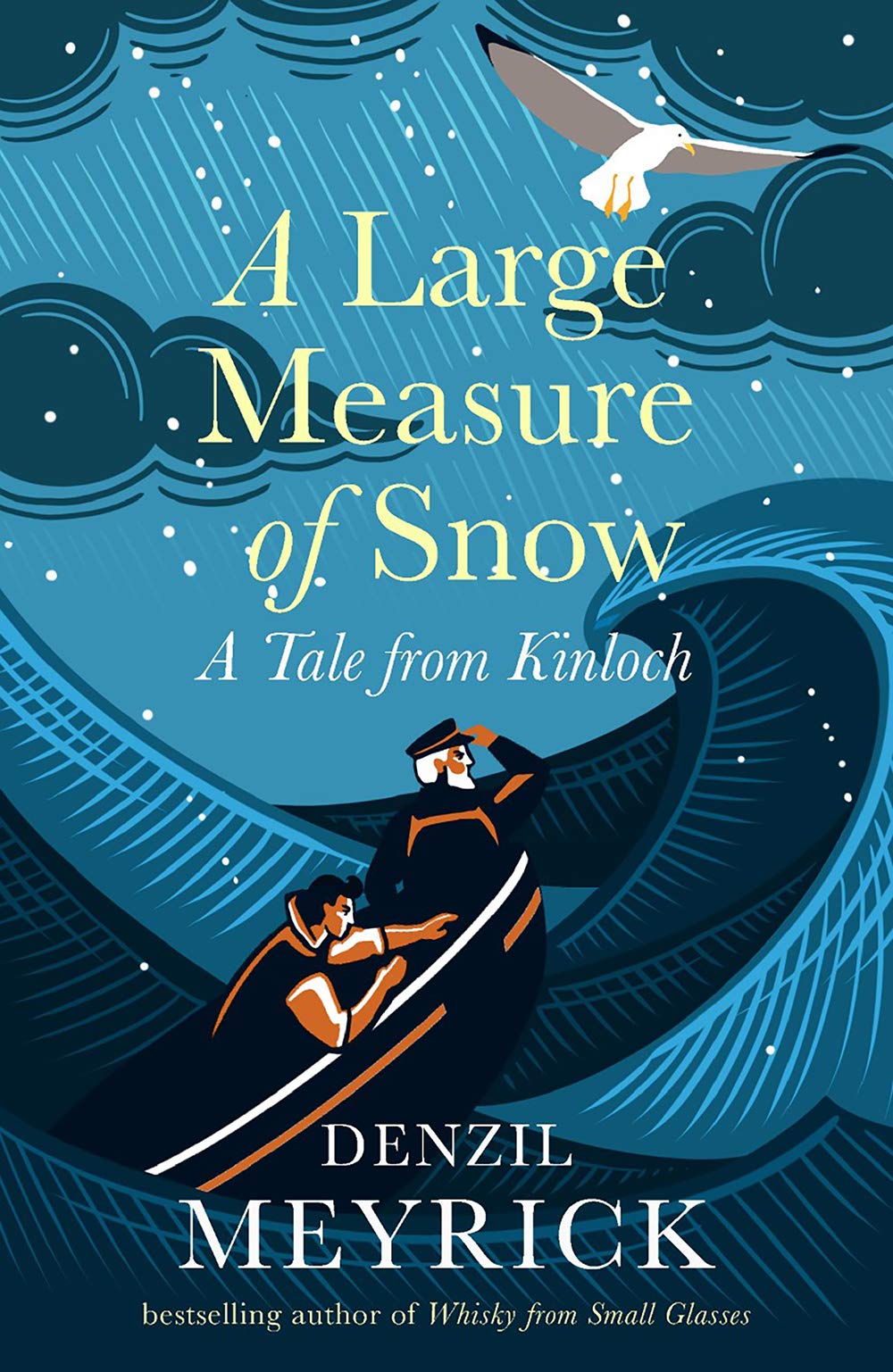 A Large Measure of Snow, by Denzil Meyrick
Published by Polygon, £9.99
‘If they had been birds, they could have soared high enough to take in a scene more akin to an alpine village than a small fishing town on the west coast of Scotland.’
Breaking from his usual crime writing Denzil Meyrick’s novella, A Large Measure of Snow, bulges with humor. A welcome antidote to winter, this atmospheric adventure story satirically weaves old myths and legends of the Clyde into a modern day fisherman’s tall tale that will make a great gift for any family member of friend.
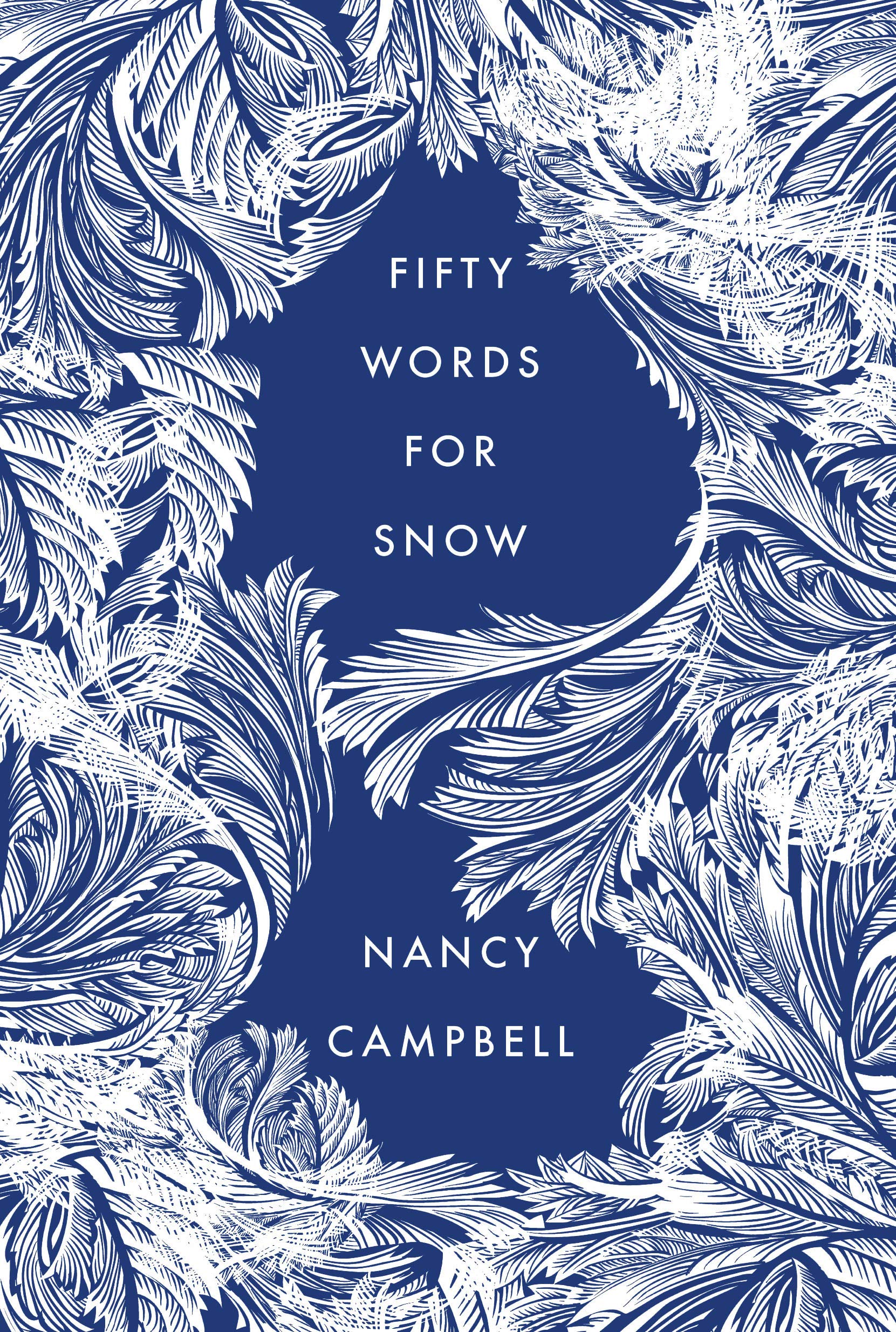 Fifty Words for Snow, by Nancy Campbell
Published by Elliot and Thompson, £12.99
‘Like the sheet a magician lays over their assistant before taking out the saw – when it is whisked away, the miracle is not that anything has changed, but rather that everything has stayed the same.’
A truly gorgeous gathering from writer and Artic traveller Nancy Campell, where 50 linguistic gems for these feather-like flakes we know as snow meet myth and story and bring new meaning to old magic. It is a journey to discover snow in all cultures through different languages.
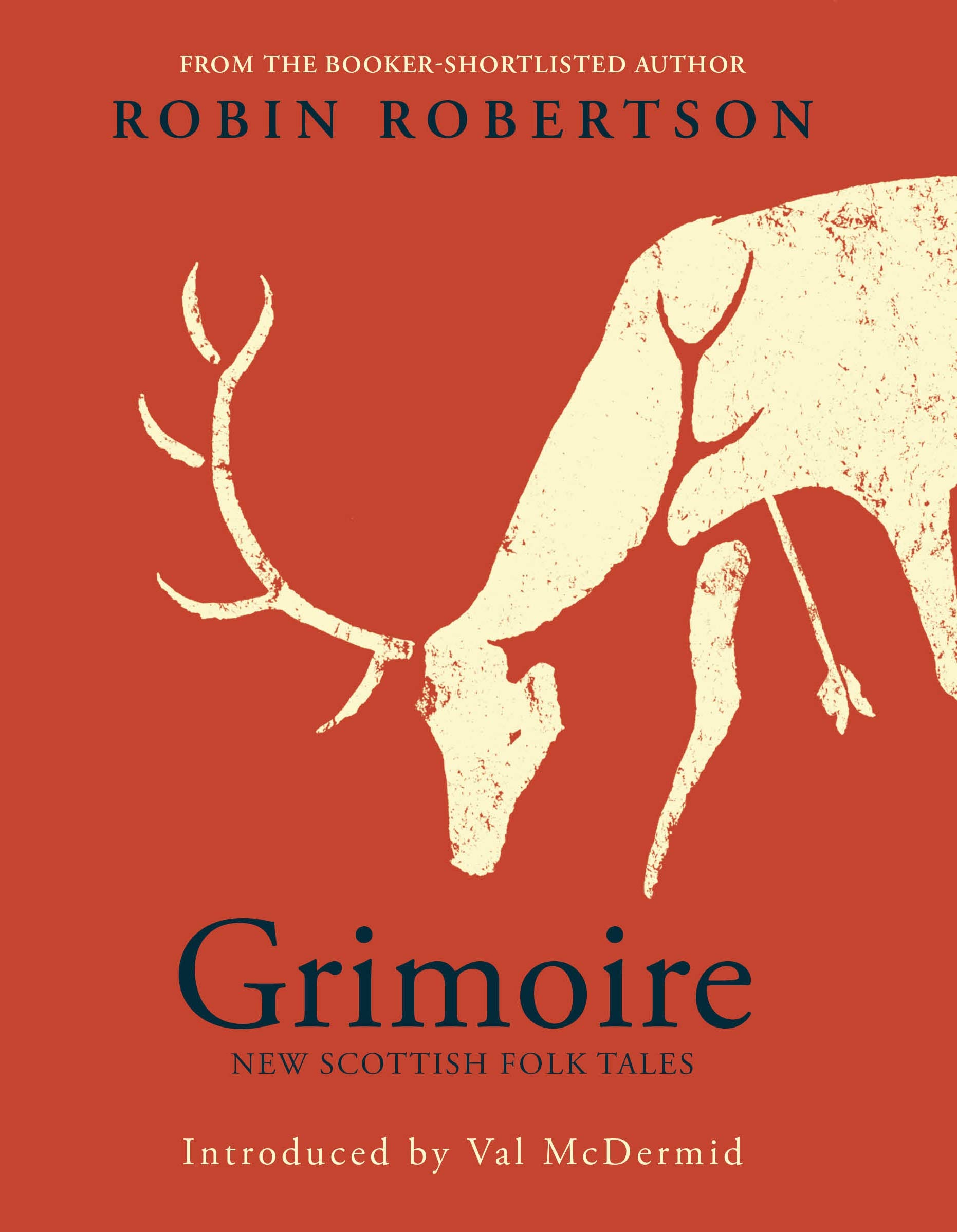 Grimoire, by Robin Robertson
Published by Pan MacMillian imprint, Picador, £14.99
‘Then she gave me the seal skin,
And I put it on.’
From Booker shortlisted author Robin Robertson, Grimoire masterfully mixes the ordinary with the extraordinary, reimagining traditional myths, folk tales and superstitions to create haunting, elemental and transporting poems, as beautiful and dangerous as the Scottish landscape.
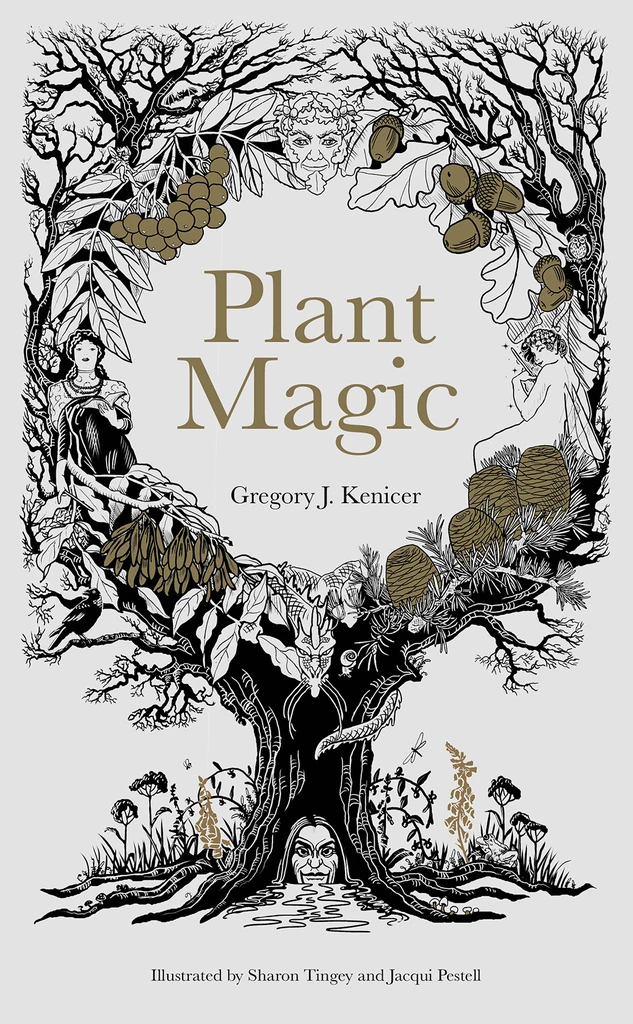 Plant Magic, by Gregory J. Kenicer
Published by Royal Botanic Garden Edinburgh, £12.99
In this educational and entertaining read we take a look at the history of plant magic in a post-magic world, shining a light on the various roles different plants have played over the years in lost supernatural and magical traditions and how modern science is now re-examining this historical uses as well as how they have informed the evolotion of the plants themselves.
Whether Foxglove or Mandrake, Hawthorn or Aspen, Rowan or Oak, St. John’s Wort or Bird Cherry, Plant Magic shines a bright and fascinating new light on dozens of familiar plants.
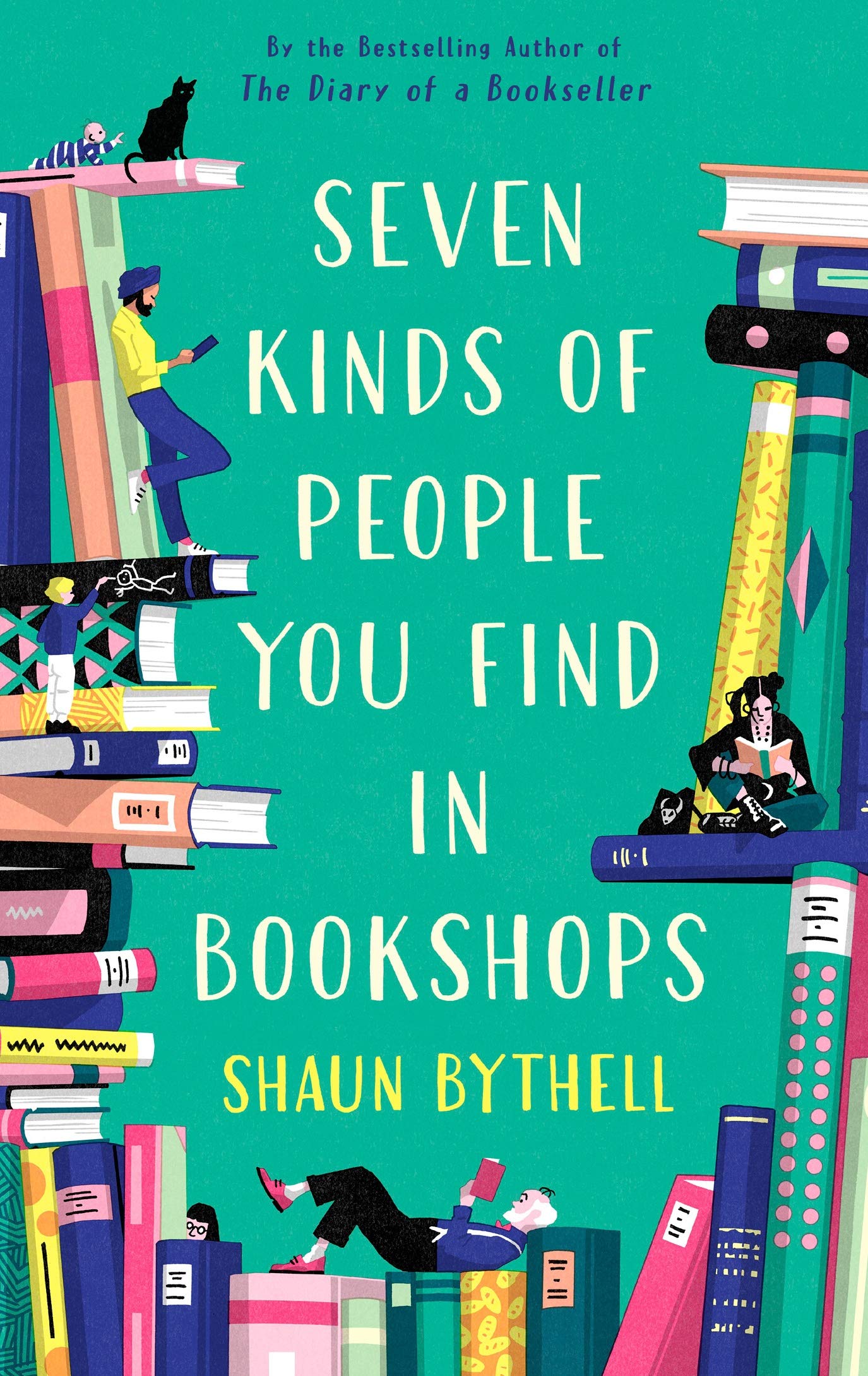 Seven Kinds of People You Find in Bookshops, by Shaun Bythell
Published by Profile Books, £7.99
‘The kindness of strangers can reduce you to your knees in a sobbing mess faster than a well-aimed punch to the solar plexus.’
Drawing on his twenty years behind the till of Wigtown’s The Bookshop, Shaun Bythell distills the essence of his experience into a quirky typology of the book-loving public. A warm and witty read that would make the perfect Christmas gift for any book-lover.
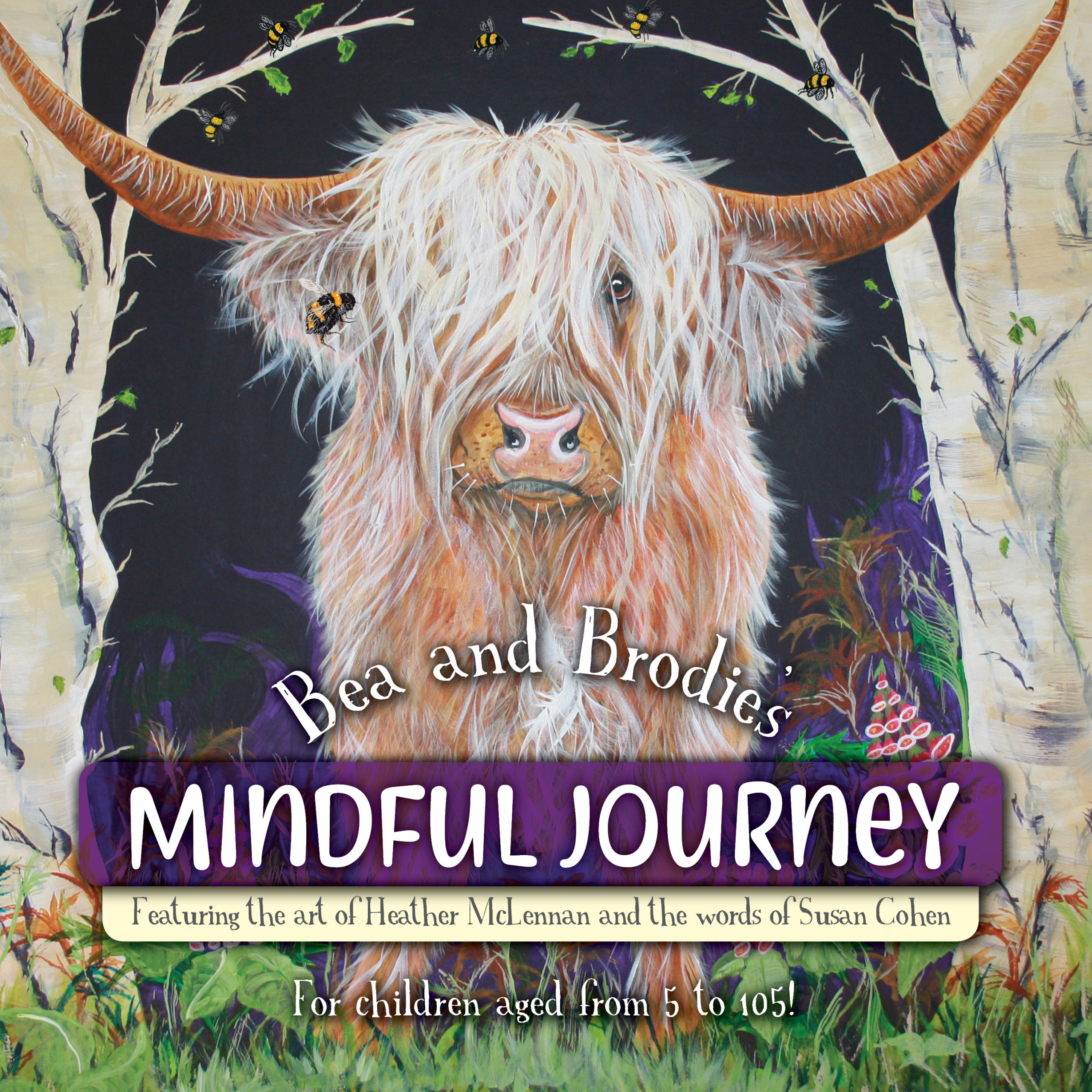 Bea and Brodie’s Mindful Journey, by Susan Cohen and illustrated by Heather McLennan
Published by Wee Book Company, £7.99
An inspiring tale for the young and young-at-heart with pearls of mindful wisdom at its core. Bea the light-hearted honey bee helps her dear friend Brodie, a Highland cow, return to a place of happiness and equanimity by taking him on a meditative journey of Scotland’s history and majesty. This is a wee gem that will raise your spirits.
With so many gorgeous books for children being released this festive season, we had to gather them together here to give parents, grand-parents, friends and family all the gift inspiration you need for your little ‘uns. There be treasures here!
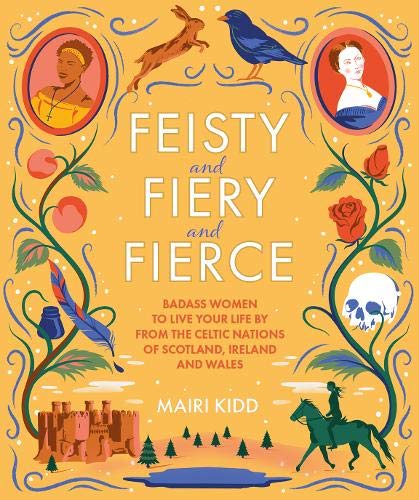 Feisty and Fiery and Fierce: Badass Celtic Women to Live Your Life by from Scotland, Ireland and Wales, by Mairi Kidd
Published by Black & White Publishing, £14.99
From prophets to photographers, artists to activists, Feisty and Fiery and Fierce is packed with powerful and punchy ‘her-stories’ celebrating seriously badass Celtic woman throughout history. This is a must on the bookshelf of anyone wanting to invite the feist of these inspirational firebrands into their life and live by their fearless lessons.
 Òran Mo Sheanar, by Catrìona Lexy Chaimbeul
Published by Acair, £6.99
Le uisg is le grìan, bidh sinn uile a’ fàs. Gheibh sinn latha agus oidhche, gheibh sinn beatha is tàmh.” Seo an t-òran a bhios Seanair a’ gabhail a h-uile latha nuair a bhios e fhèin agus ogha a-muigh a’ cur sìol. Gabhaidh na bliadhnaichean seachad agus fàsaidh na craobhan nan coille fhad ‘s a dh’fhàsas am balach àrd agus làidir. Tha Seanair a’ fàs aosta agus às dèidh latha dòigheil, mus tèid e a ghabhail tàmh, bheir e am poca sìl do ogha. Tuigidh esan a-nise gum feum e cumail suas òran a sheanar.
A tender story about embracing the rhythms of nature and life, told through the relationship of a Grandfather and his grandson. Sown through seeds of song, love and a reverence in nature this is a beautiful tale about growing up and growing old and the riches that close bonds with loved ones and nature can bring.
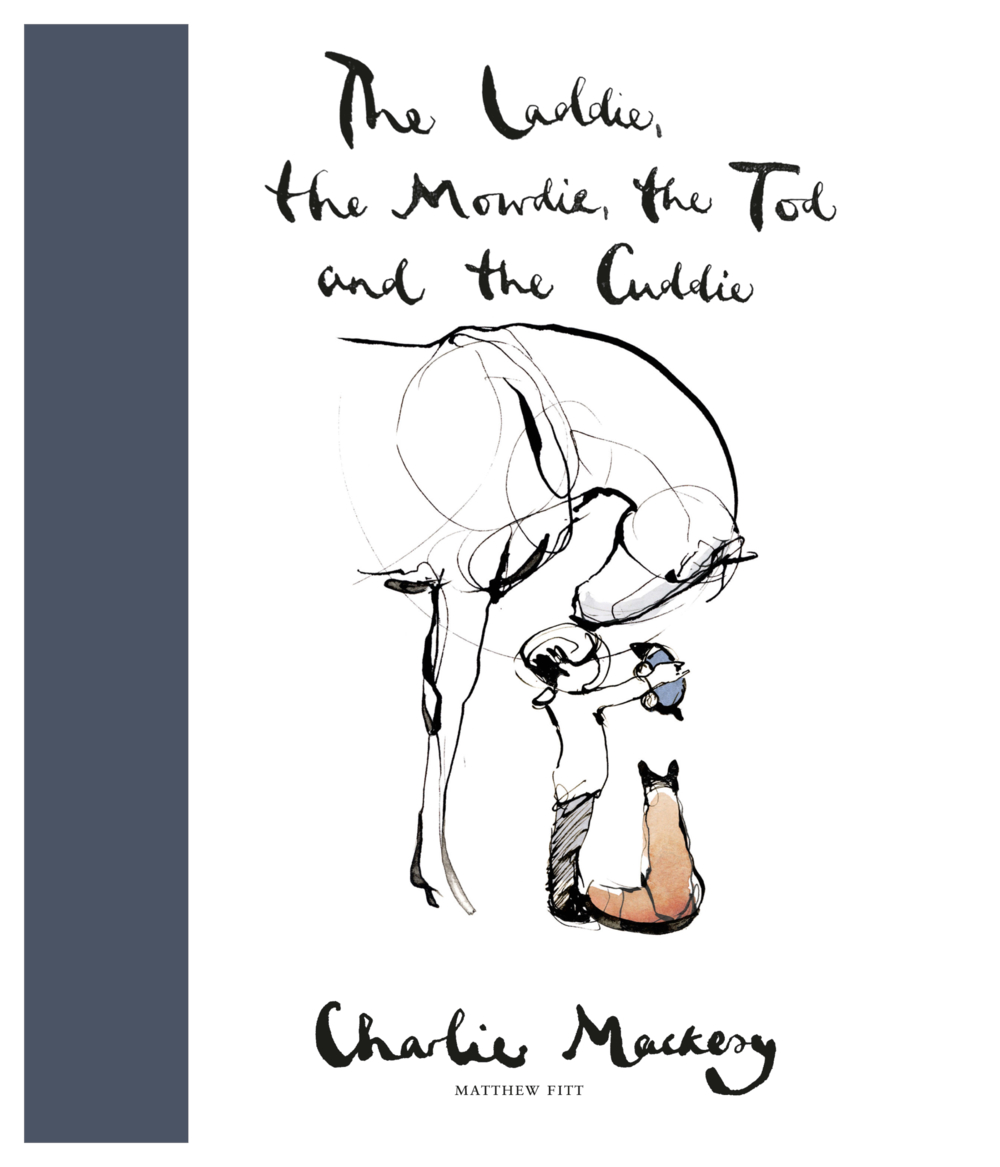
The Laddie, the Mowdie, the Tod and the Cuddie, by Charlie Mackesy; translated by Matthew Fitt
Published by Luath Press, £16.99
The marvelous Matthew Fitt brings to life in Scots Charlie Mackesy’s special book journeying with unlikely friends through their greatest life lessons. This heartwarming book holds hope at its core, exploring the thoughts and feelings that unite us all this is a read for all ages during these uncertain times.
A Gaelic edition is also available from Luath Press : An Gille, am Famh, an Sionnach ’s an T-each, translated by Johan Nic a’ Ghobhainn.
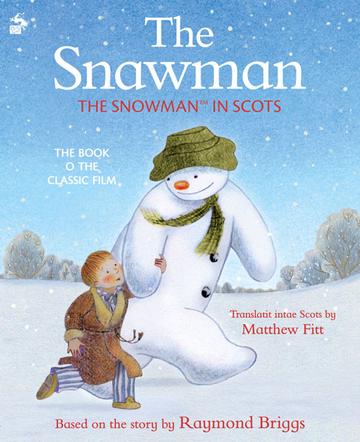 The Snawman: The Snowman in Scots, by Raymond Briggs; translated by Matthew Fitt
Published by Black & White Publishing, £7.99
‘When the snaw faws, magic glisters in the air.
Wan snawy day a laddie builds a Snawman and in the middle o the nicht the Snawman comes tae life.’
This classic tale and all its magic is given a new lease of life, with a whole lot of love, in Scots by celebrated Scots translator Matthew Fitt. Spend Christmas with everyone’s favourite Snowman and tak yersel on a magical journey tae the North Pole and hame again!
 The Nicht Afore Christmas: the much-loved yuletide tale in Scots, by Irene McFarlane; illustrated by Rosemary Cunningham
Published by Tippermuir Books, £6.99
Taw faithers and wan big surprise! Faither Yuletide catches another faither aff guard when he arrives in Scotland, close to the end of his annual journey round the world. This beautifully-illustrated book is an imaginative translation in Scots of the classic Christmas poem, ‘A Visit from St. Nicholas’.
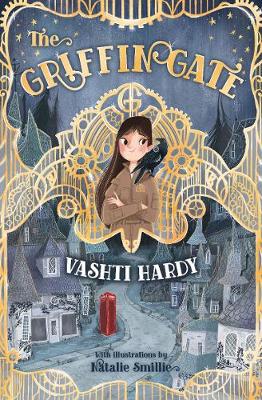 The Griffin Gate, by Vashti Hardy, illustrated by Natalie Smillie
Published by Barrington Stoke, £6.99
From Blue Peter Book Award-winner Vashti Hardy, this family fantasy adventure will transport its readers to a world like no other. Using the Giffin Map teleport technology Grace’s family fights crime across Moreland. Grace is told she is still too young to take on a mission, but when an opportunity comes along to prove herself, Grace seizes it with both hands and refuses to let go even when she realizes she has perhaps taken on more than she can handle.
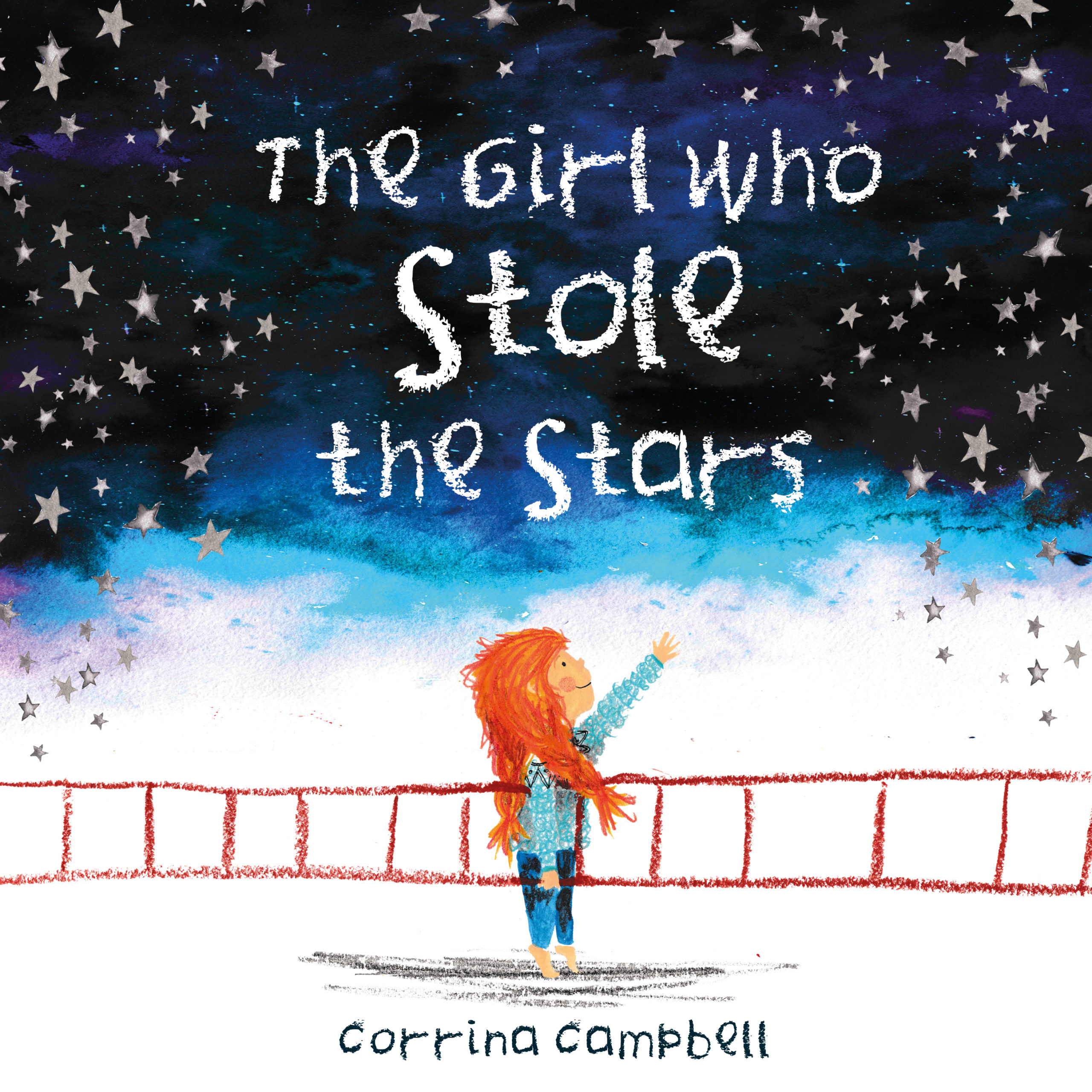 The Girl Who Stole the Stars, by Corinna Campbell
Published by Little Door Books, £6.99
This special seasonal tale is sure to be a festive favorite. Bringing themes of friendship, love, happiness, and doing the right thing alive through beautiful illustrations that touch the heart of every reader, Corrina Campbell shows she is just as much the shining star as all those that sparkle and gleam in her glowing debut.
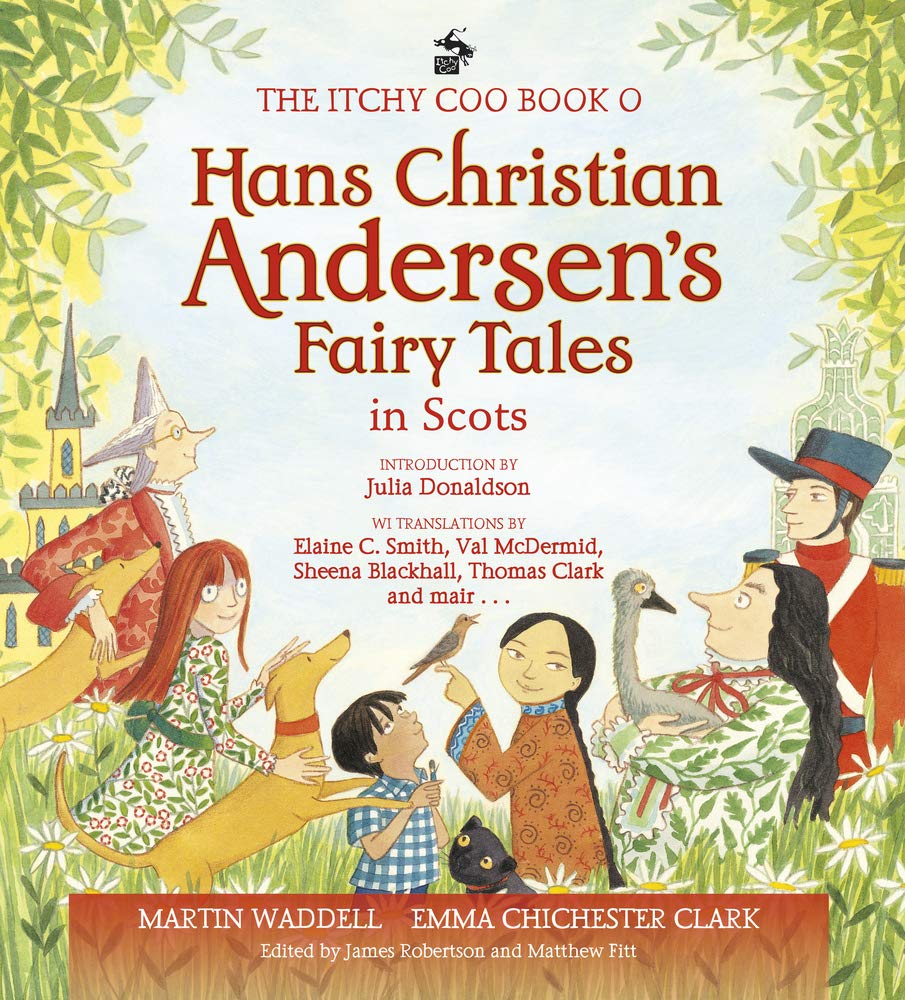 Hans Christian Anderson in Scots, by Martin Waddell; edited by James Robertson and Matthew Fitt; introduction by Julia Donaldson; illustrated by Emma Chichester Clark
Published by Black & White Publishing, £12.99
Newly translated into Scots and gloriously illustrated, this enchanting collection of beloved Hans Christian Andersen’s fairy tales will entertain and delight readers of all ages. Featured favorites include Princess and the Pea, the Ugly Duckling, the Emperor’s New Clothes, the Little Mermaid and the Nightingale, among other best-loved stories, and will be a seasonal sensation.
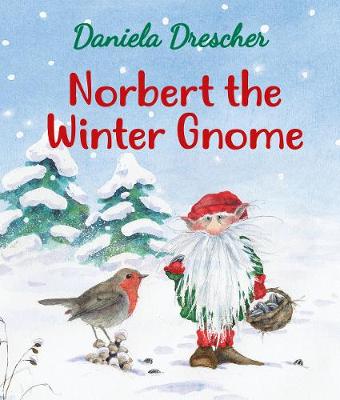 Norbert the Winter Gnome, by Daniela Drescher
Published by Floris Books, £7.99
Full of friendship and kindness, this book is bursting with seasonal detail and delight and will capture the heart of young readers everywhere. Winter brings with it a thick blanket of snow making food hard to find for the forest animals. But Norbert the Winter Gnome takes a trek through the frozen forest bringing with him a delicious gift for each of his animal friends.
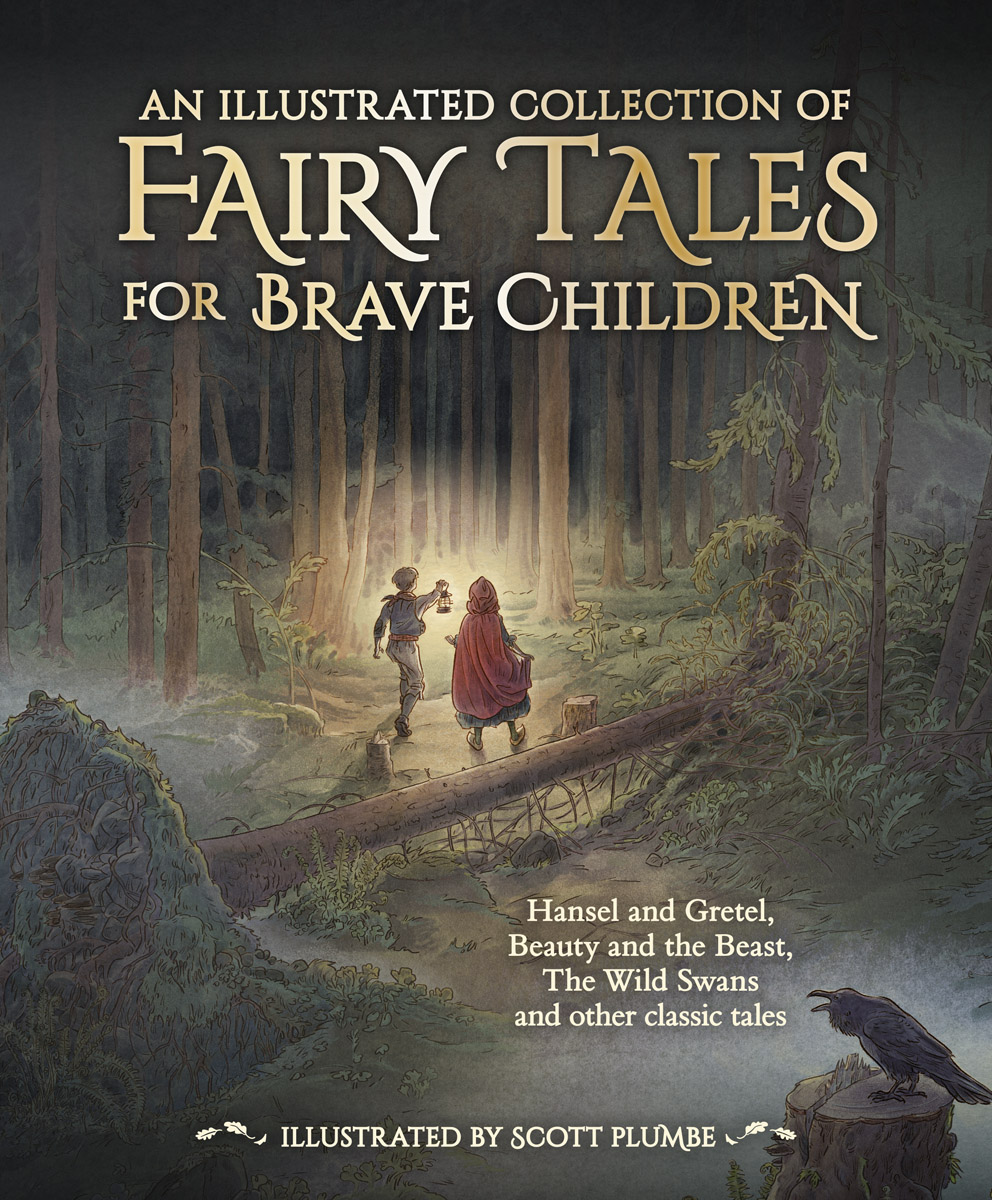
An Illustrated Collection of Fairy Tales for Brave Children, by Jacob and Wilhelm Grimm and Hans Christian Andersen; illustrated by Scott Plumbe
Published by Floris Books, £14.99
Gathering together a stunning collection of darkly magical tales, discover seven classic and emboldening stories championing courageous children facing their fears. This book is the perfect gift for bold and brave bairns everywhere.
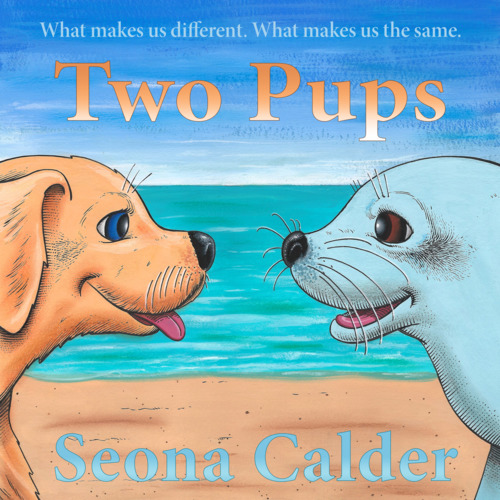 Two Pups, by Seona Calder
Published by Sparsile Books, £4.99
A delightful and beautifully accessible book for any early reader exploring hard-to-explain concepts. Delicately delving into ideas of difference and diversity through the tale of an unlikely friendship, this is a must have for any early reader’s book collection, celebrating what makes us different as well as what connects us.
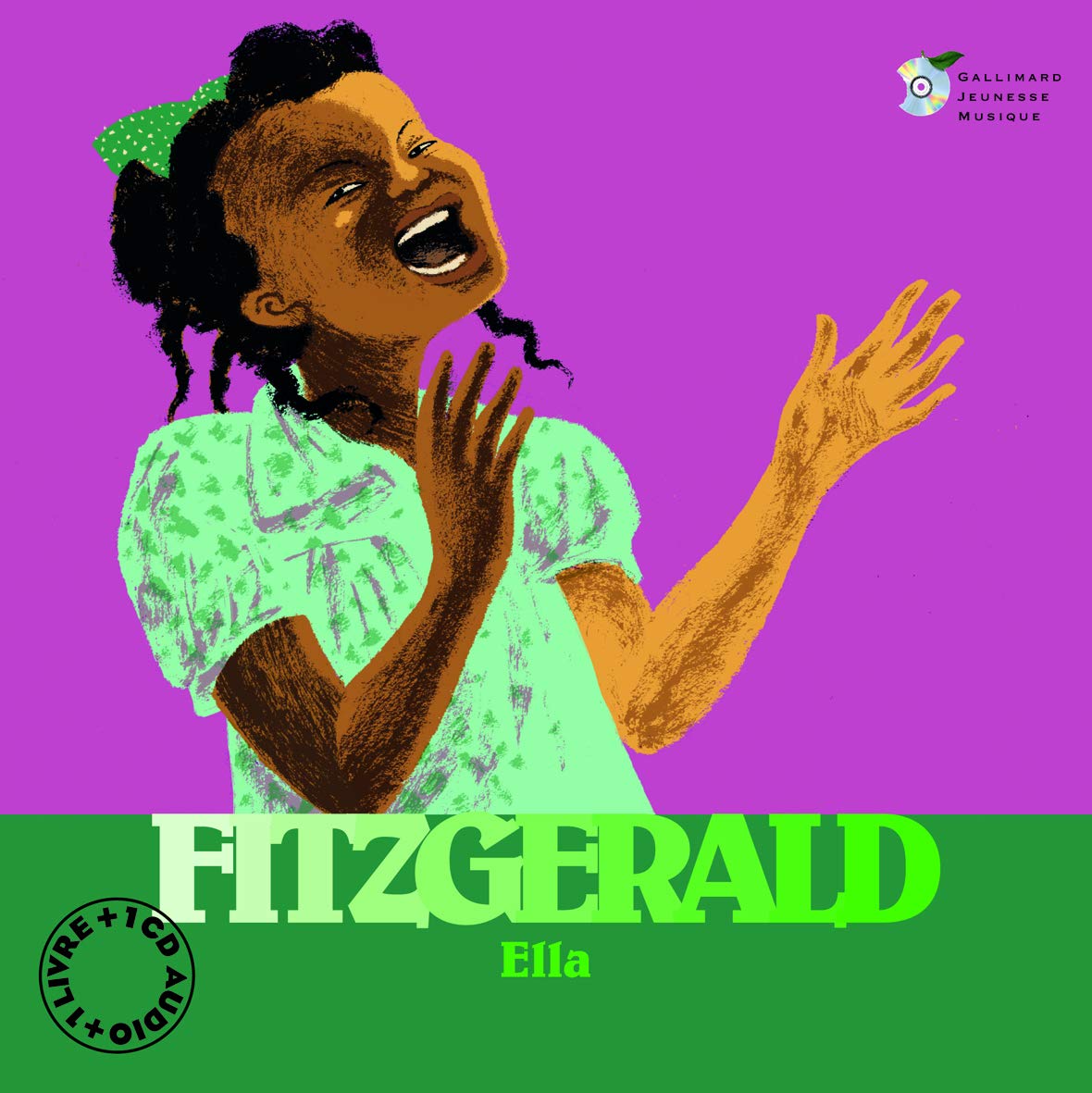 Ella Fitzgerald, by Stéphane Ollivier, illustrated by Rémi Courgeon
Published by Moonlight Publishing, £15.99
Capturing key moments from the incredible life of jazz queen, Ella Fitzgerald, as well as 13 of the singer’s most memorable recordings, this book and accompanying CD offers insights into Ella’s epic rise to stardom. Inspirational reading for any young singer.
BooksfromScotland is always on hand to shine a light on the best new releases in Scottish publishing and we thought we’d turn our spotlight to this year’s debutants, new voices in fiction, non-fiction and childrens’ books that we hope will go on to have stellar writing careers.
Fiction
Blessed Assurance, Stewart Ennis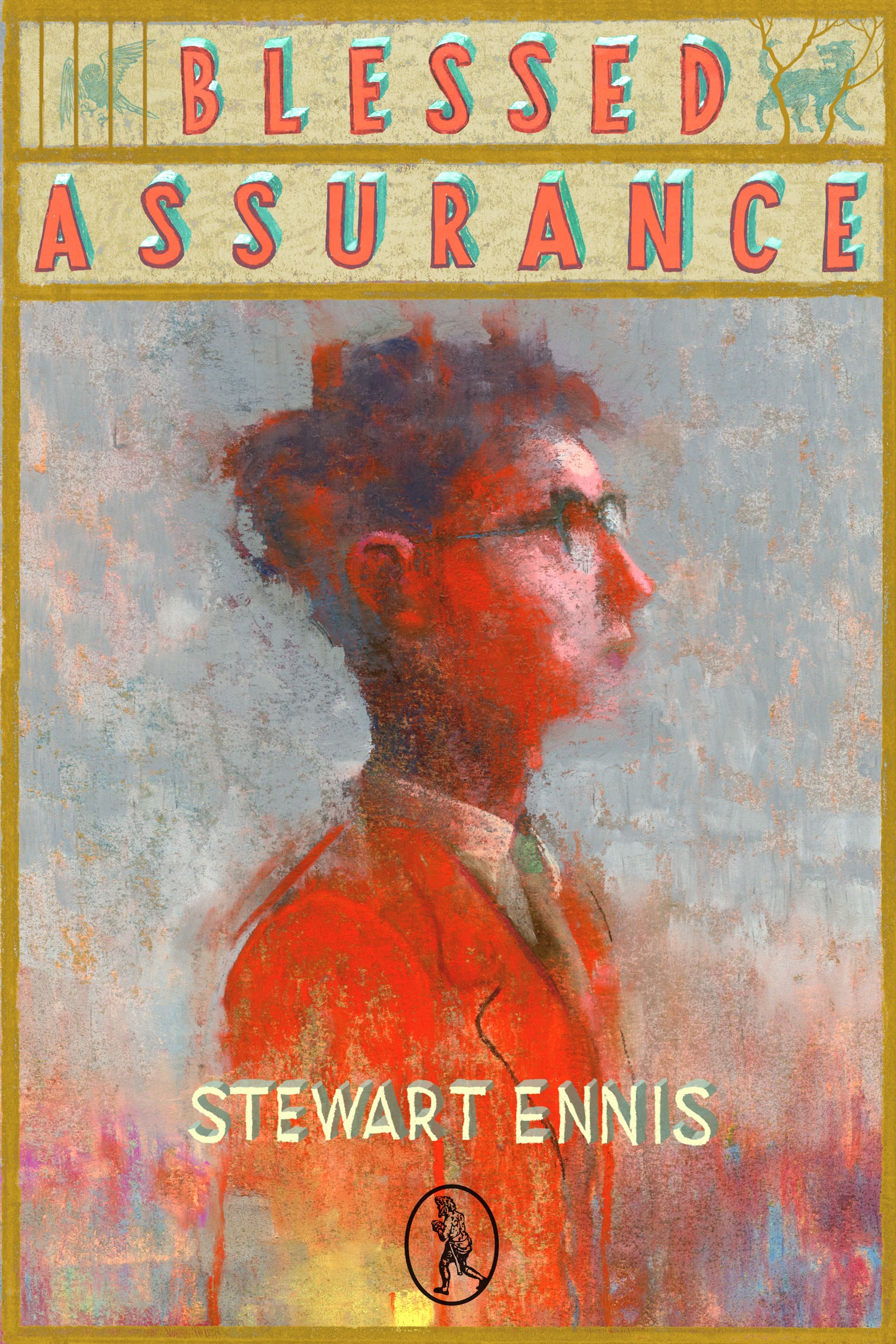
Published by Vagabond Voices, £9.95
Vagabond Voices says: Stewart Ennis’s debut novel comes with the author’s long experience as a playwright and is reflected in the perfect timing and the dialogue that sparkles throughout the novel. And this certainly helps to put across the intricate plot of a child’s imaginings and the gentle satire of a society that existed not that long ago but has disappeared almost completely.
BfS says: We loved spending time with young Joseph Kirkland as he tries to make sense of his world, growing up in his close-knit community in 1960s Scotland. It’s such a warm, tender and moving novel that tells us a lot about family, friendship and self-discovery.
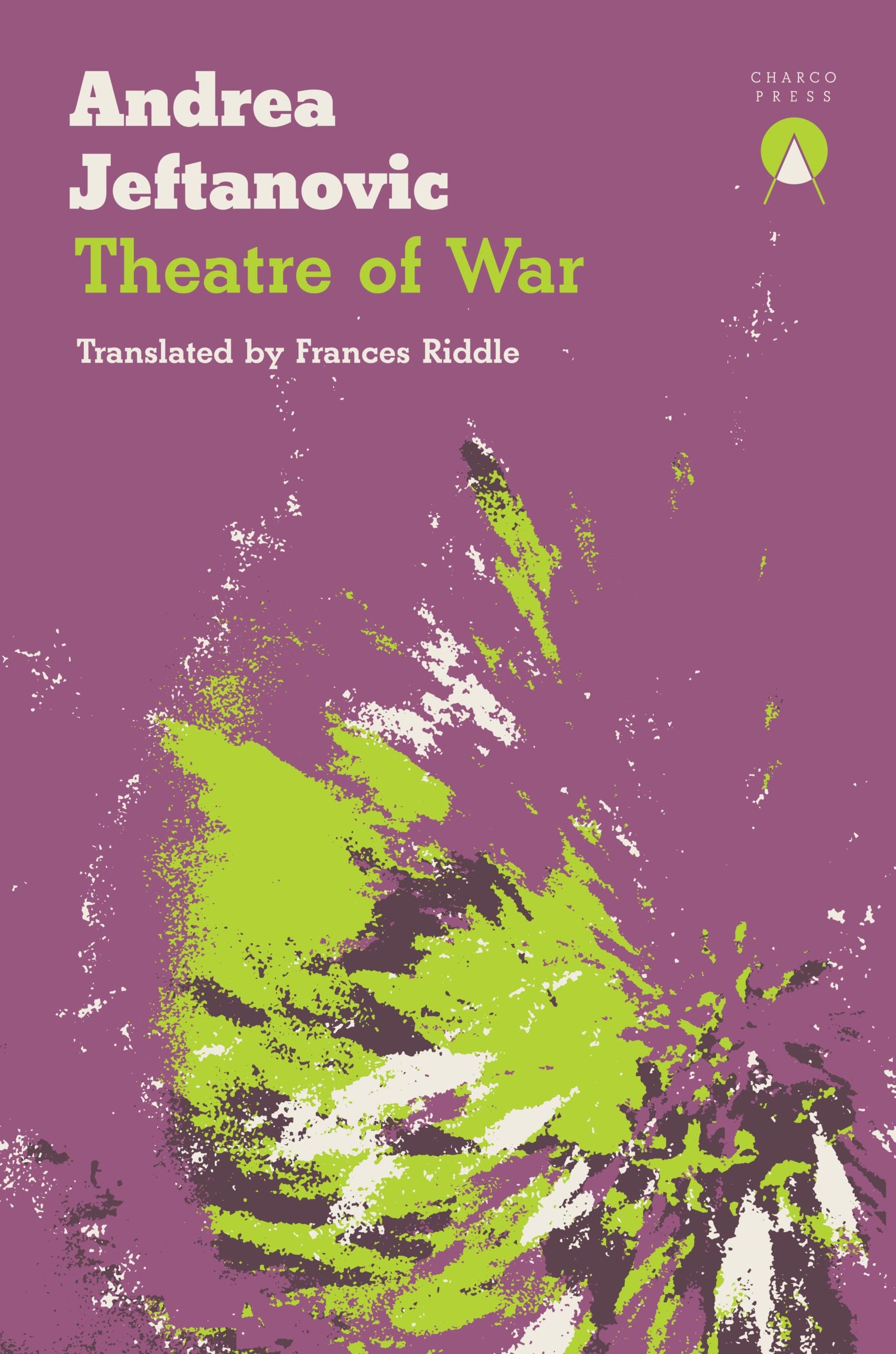 Theatre of War, Andrea Jeftanovic
Published by Charco Press, £9.99
Charco Press says: We are proud to be introducing the work of Chilean author Andrea Jeftanovic into the English-speaking world. She is one of the most important female novelists in Latin America, who writes on memory and trauma from the unique point of view where different cultures and histories come together. A fascinating voice.
BfS says: From one of the most important female novelists of Latin America, Theatre of War is written with exquisite economy and powerfully depicts the devastating psychological effects of war, political violence and domestic abuse. Exploring the ghosts of a very tangible past, our narrator, nine-year old Tamara, intimately reconstructs a picture of a fragmented home and childhood, as well as reflecting back to us broader themes and the universal question – how giant historical events can affect the seemingly insignificant lives of nameless individuals.
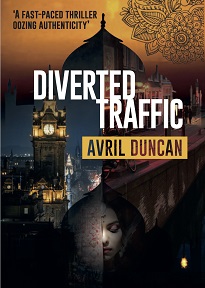 Diverted Traffic, Avril Duncan
Published by Tippermuir Books, £8.99
Tippermuir Book says: When Avril contacted Tippermuir and gave us a chance to read her novel, we were excited about supporting a book that tackled head-on two issues of great concern to us – modern slavery and human trafficking. We were more than delighted when we read her manuscript to discover a book that highlighted these issues but was also a page-turning thriller that deserved publication for the quality of Avril’s storytelling. What more does any publisher want: a cracking read and a critical theme.
BfS says: A novel which will grip you from the word go, Diverted Traffic follows the story of nine-year-old Suman, stole from her village in India and taken to work in Amsterdam’s sex industry. A powerful story of modern slavery with numerous twists and turns before serving up a satisfying and exultant end.
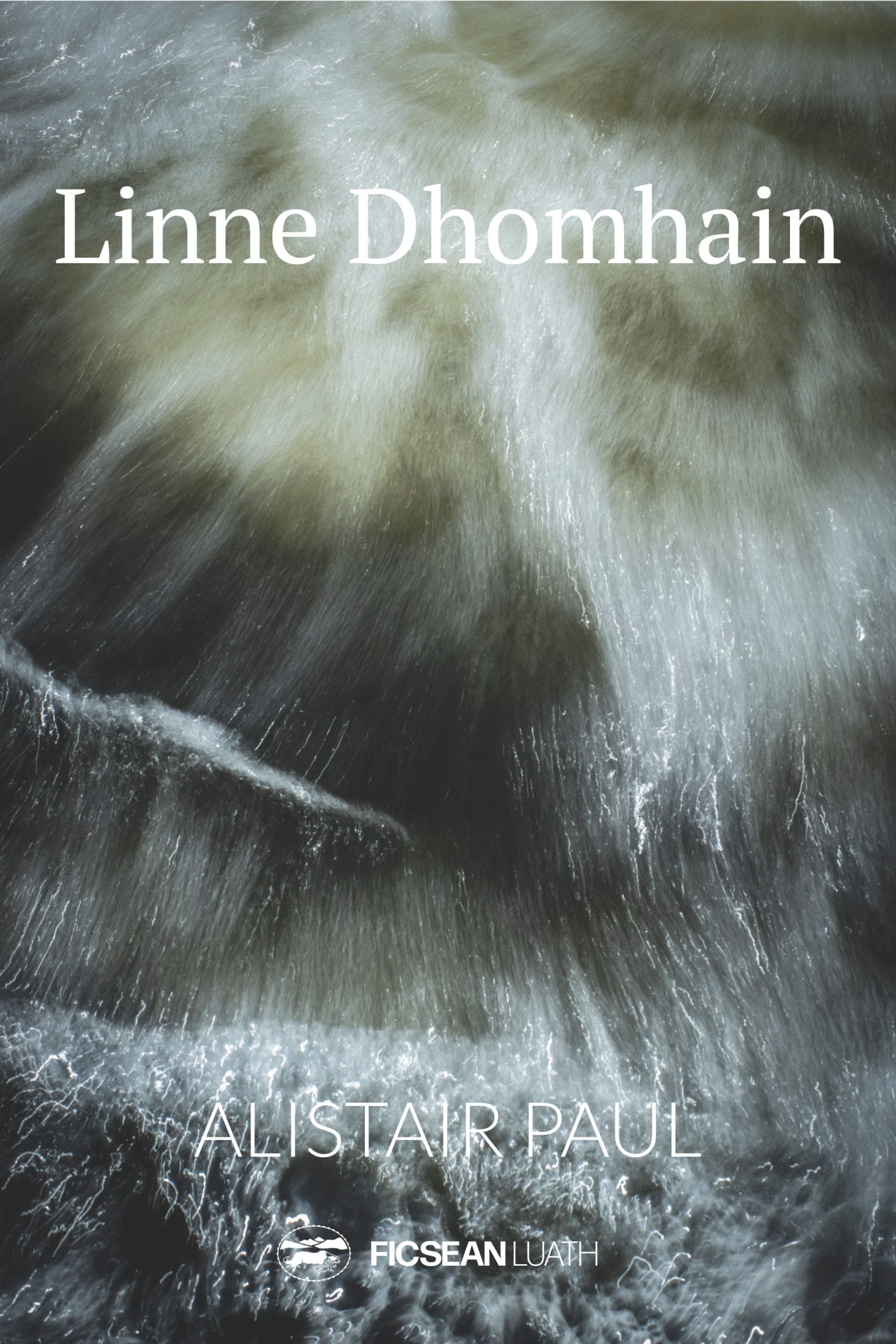 Linne Dhomhain (Dark Pool), Alistair Paul
Published by Luath Press, £8.99
Luath Press says: The creativity within the Gaelic writing community is staggering and Alistair Paul’s debut is a fantastic addition to the Gaelic canon, using the worlds of the supernatural, surreal and ridiculous to great effect.
BfS says: Take a walk up the glen and dive into the deep pool. Taking inspiration from local folklore on the Island of Arran, this is a rich read which skillfully incorporates traditional Gaelic story telling themes and techniques and weaves them into an offering that feels wonderfully modern and a little madcap. So why not come on an adventure stretching from the familiar shores of the Gàidhealtachd to the sun scorched African Savannah, taking in the smoky streets of Glasgow and the industrial heartlands of the North of England on its way.
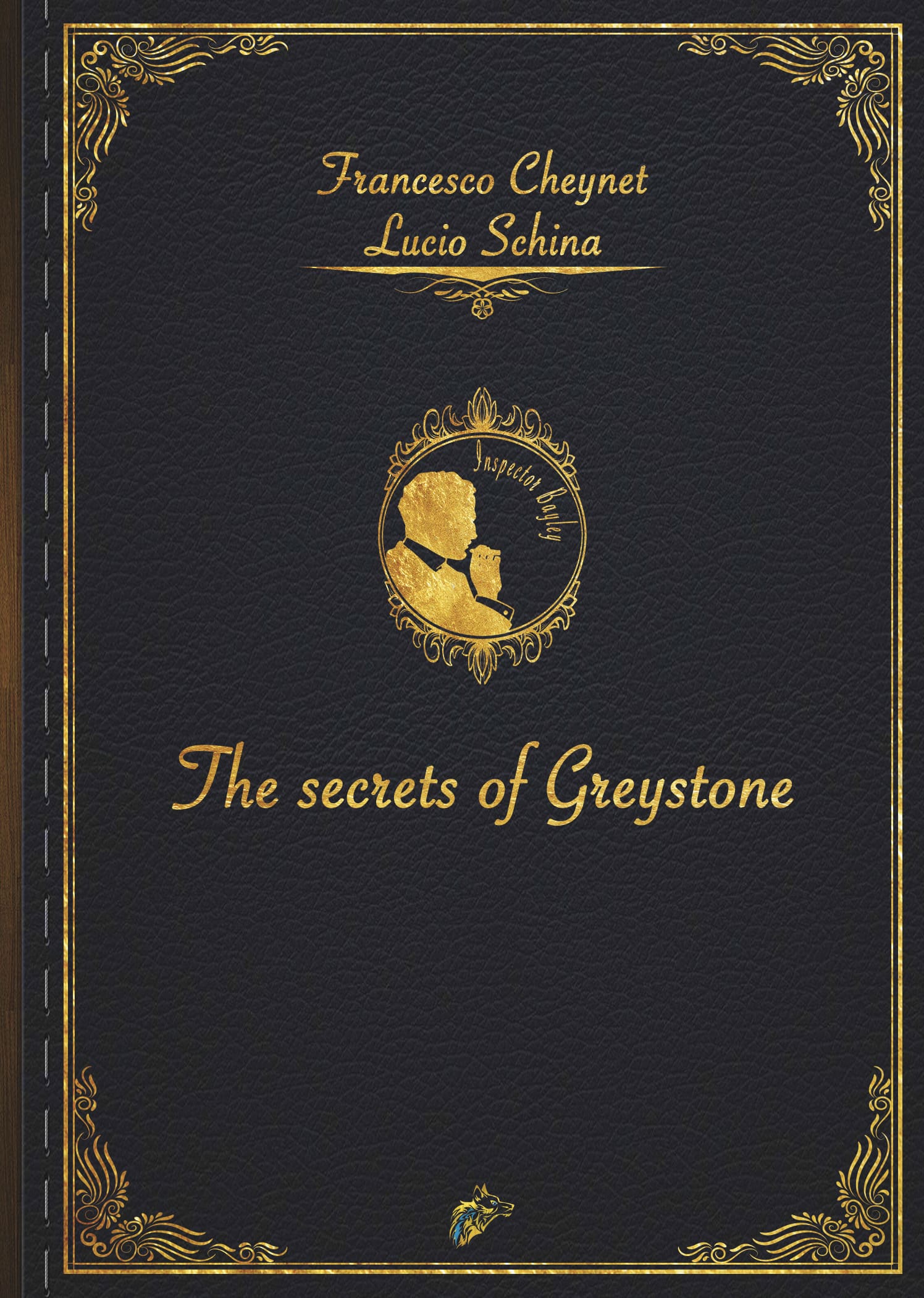 The secrets of Greystone, Francesco Cheynet and Lucio Schina
Published by Black Wolf Edition & Publishing, £14.99
Black Wolf Edition & Publishing says: The secrets of Greystone marks the return of the historical deductive thriller genre, in an adventure that will leave the reader in suspense until the last page. This book has an unusual structure and the story weaves past and present in a complex game of puzzles.
BfS says: If you enjoy a good puzzle then give this detective novel a go. Weaving past and present in a complex game, The secrets of Greystone conjures up a complex yet ambiguous reality which challenges the rational and invites in the supernatural.
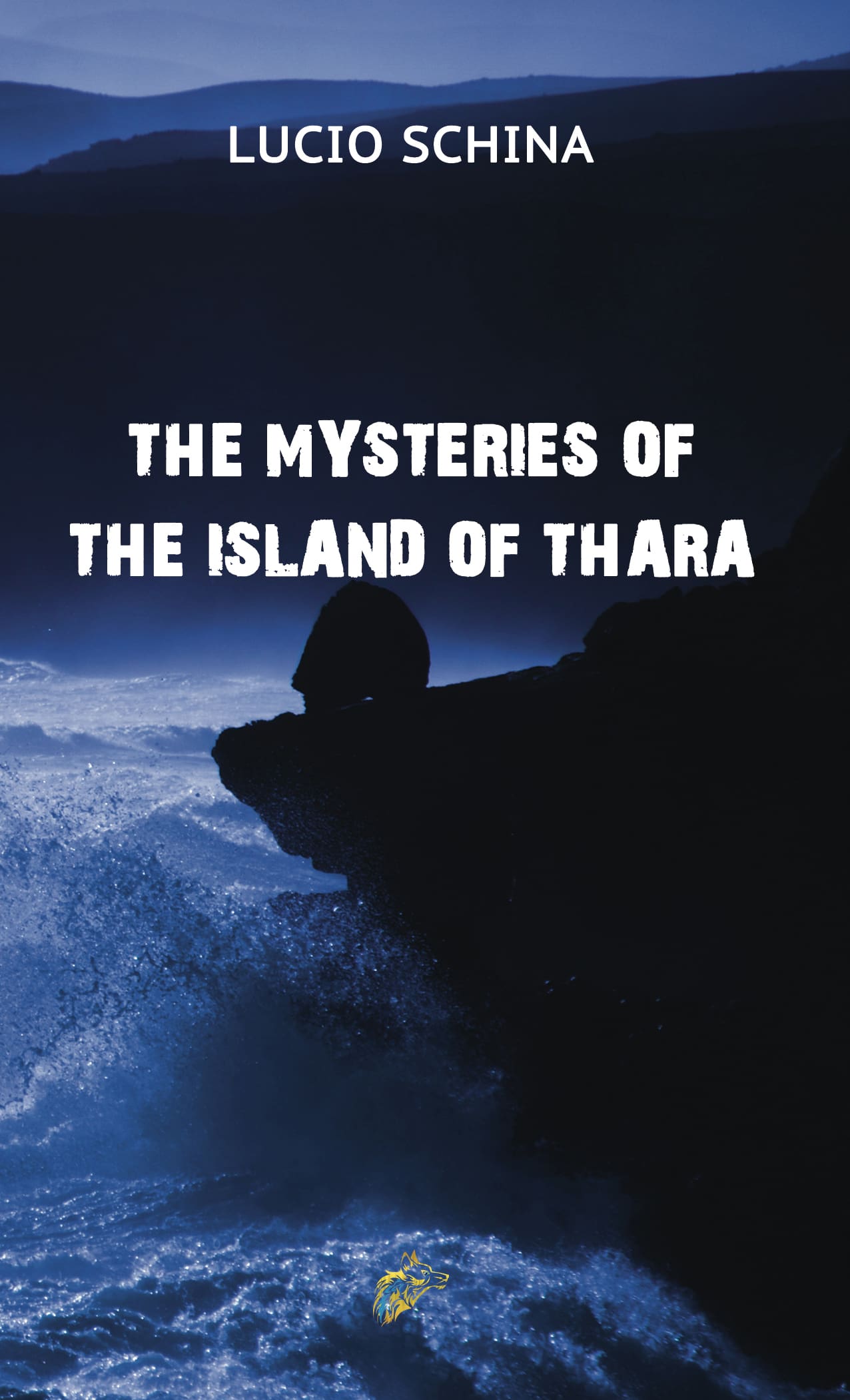 The mysteries of the island of Thara, Lucio Schina
Published by Black Wolf Edition & Publishing, £6.99
Black Wolf Edition & Publishing says: The mysteries of the island of Thara is a story that combines adventure and mysteries. It is a short novel to read in one breath and that leaves you suspended between reality and imaginary.
BfS says: If you like novels that take you to unexpected places, that unsettle and leave you guessing, then give this tale a try. It starts with a professor of anthropology discovering a childhood diary that sparks a memory of a summer holiday, a memory that leads him on a new adventure.
Non-fiction
Stole n Lives, Louise Hulland
Published by Sandstone Press, £11.99
Sandstone Press says: Sandstone Press is proud to publish Stolen Lives, a comprehensive and compassionate study of modern slavery. It’s vital that we all understand better how this can happen and what can be done to free victims – and keep them free.
BfS says: An examination of trafficking and slavery in Britain, this is a powerful and moving account from voices on the frontline, including one young women’s testimony of survival, charting her terrifying yet ultimately inspiring journey to freedom. An important book taking an unfaltering look at a pressing issue of our time, and shining a light on what we can do to help.
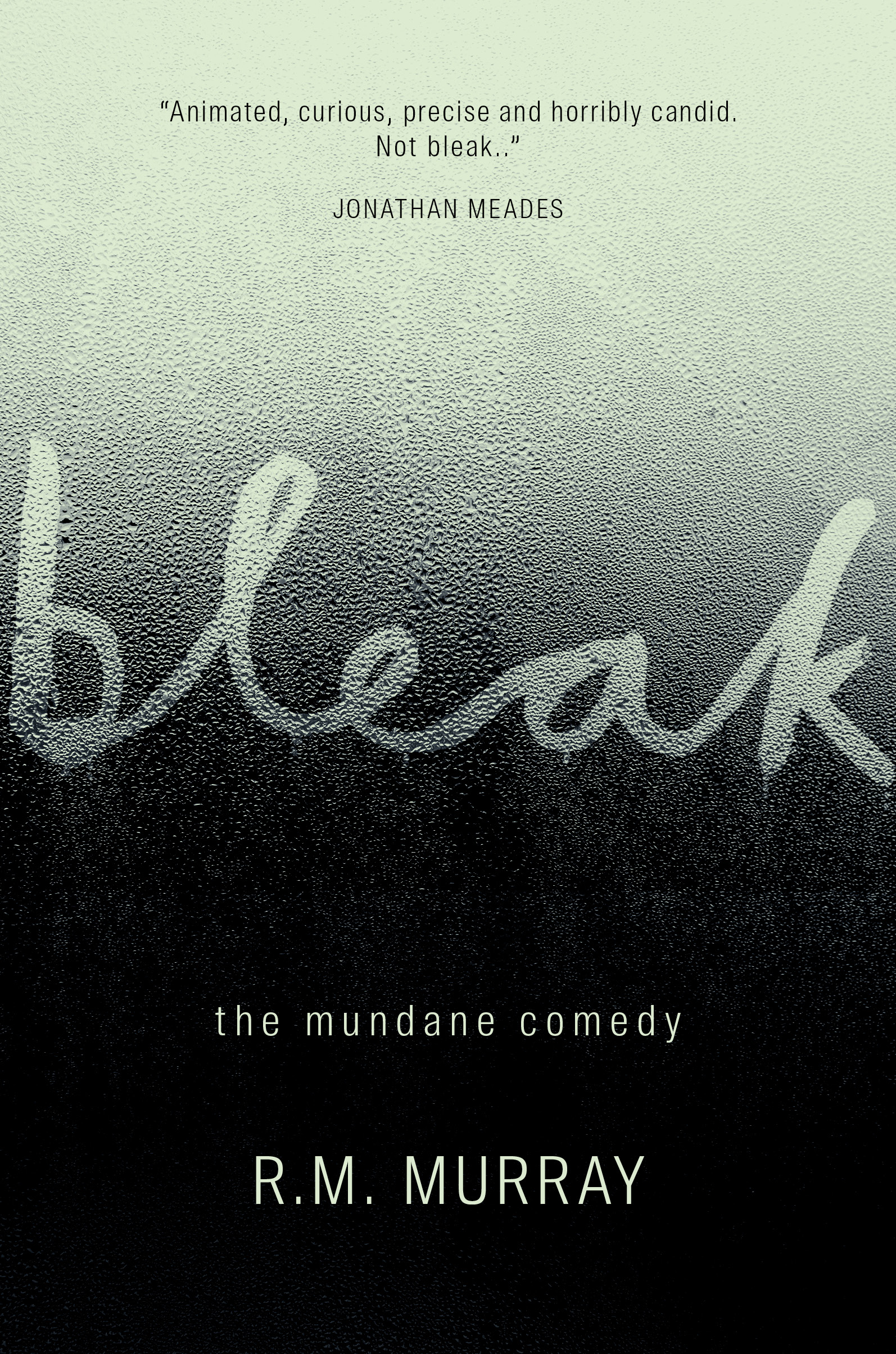 Bleak, R M Murray
Published by Saraband Books, £9.99
Saraband books says: In a world saturated with images offering an unattainable standard of perfection, it’s refreshing to read an unfiltered – but unmistakably affectionate – Scottish story. Murray writes without cringe of the multiple-day rain deluges and the midges “in such density that the air itself fought for space among them,” endured in pursuit of those breathtaking views and serene camping trips. From this to the ups and downs of Glasgow’s punk years, featuring Peter Capaldi as frontman in the Bastards from Hell band, in which Murray played – loosely speaking – guitar. It’s all served up with a dose of typically dry humour, providing moments that illustrate a Hebridean life in all its unique glories.
BfS says: Roddy Murray certainly has many a tale to tell, and all are entertaining and highly readable. Breaking ground in this unique memoir of sorts, Murray takes us on a journey of broad experience, spanning corporal punishment, brushes with death, vans with vendettas, illegal firearms, and of being a Bastard from Hell punk and a Dreamboy with Peter Capaldi and Craig Ferguson at Glasgow School of Art, as well as a spectacularly good potato peeler.
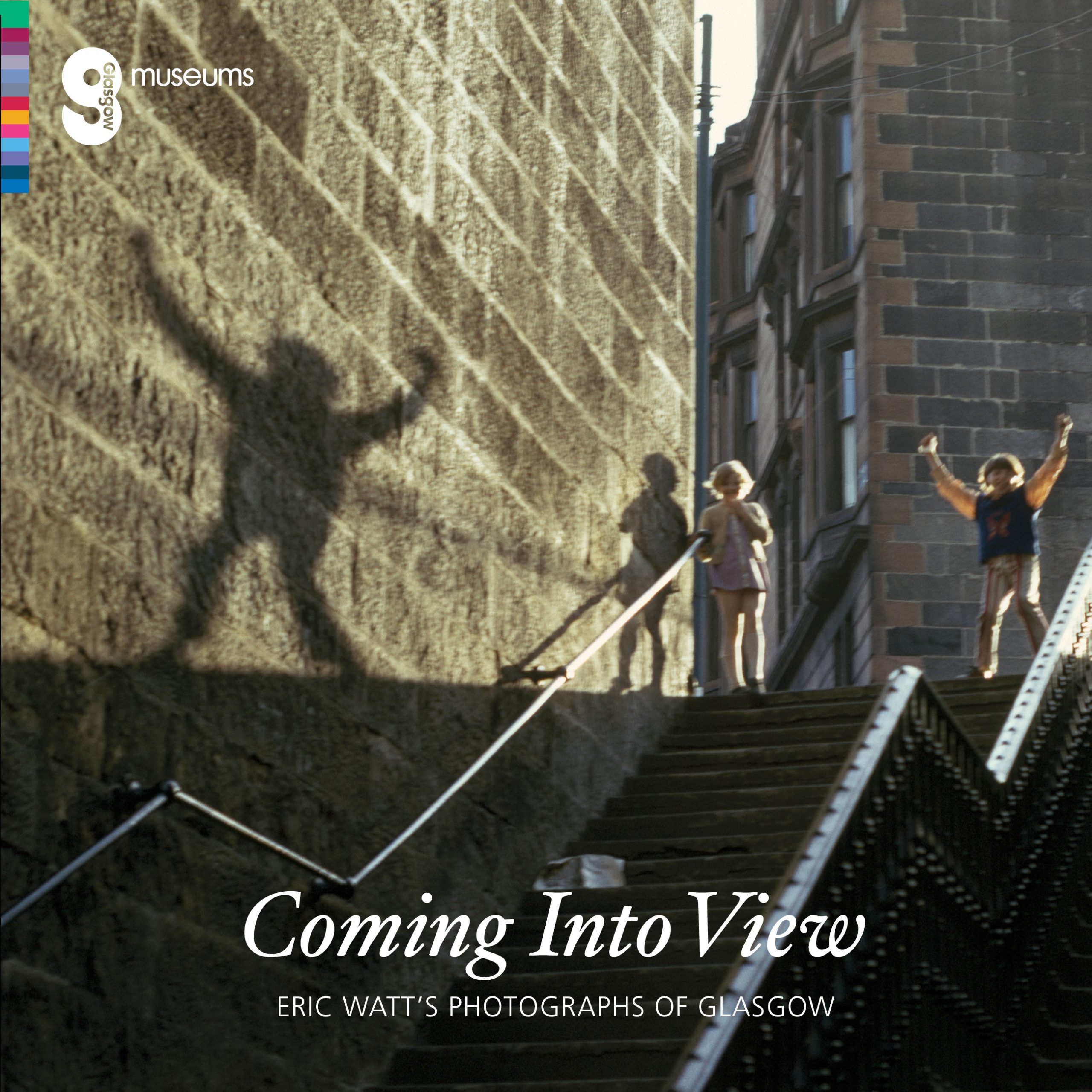 Coming into View: Eric Watt’s Photographs of Glasgow, Isobel McDonald
Published by Glasgow Museums Publishing, £10.00
Glasgow Museums Publishing says: Isobel McDonald brings the virtually unknown photographs of Eric Watt to life, revealing highlights from his vast archive of pictures of Glasgow. Deftly explaining each scene and its historical context, Isobel’s book is a fitting tribute to Eric’s talent as a pioneer of Scottish street photography.
BfS says: Eric Watt’s photography, with pictures dating from the 1950s up until the new millenium, tells such wonderful stories of Glasgow and its people, and captures the city in a period of great change. The book is a brilliant document and deserves a place on coffee tables across the country!
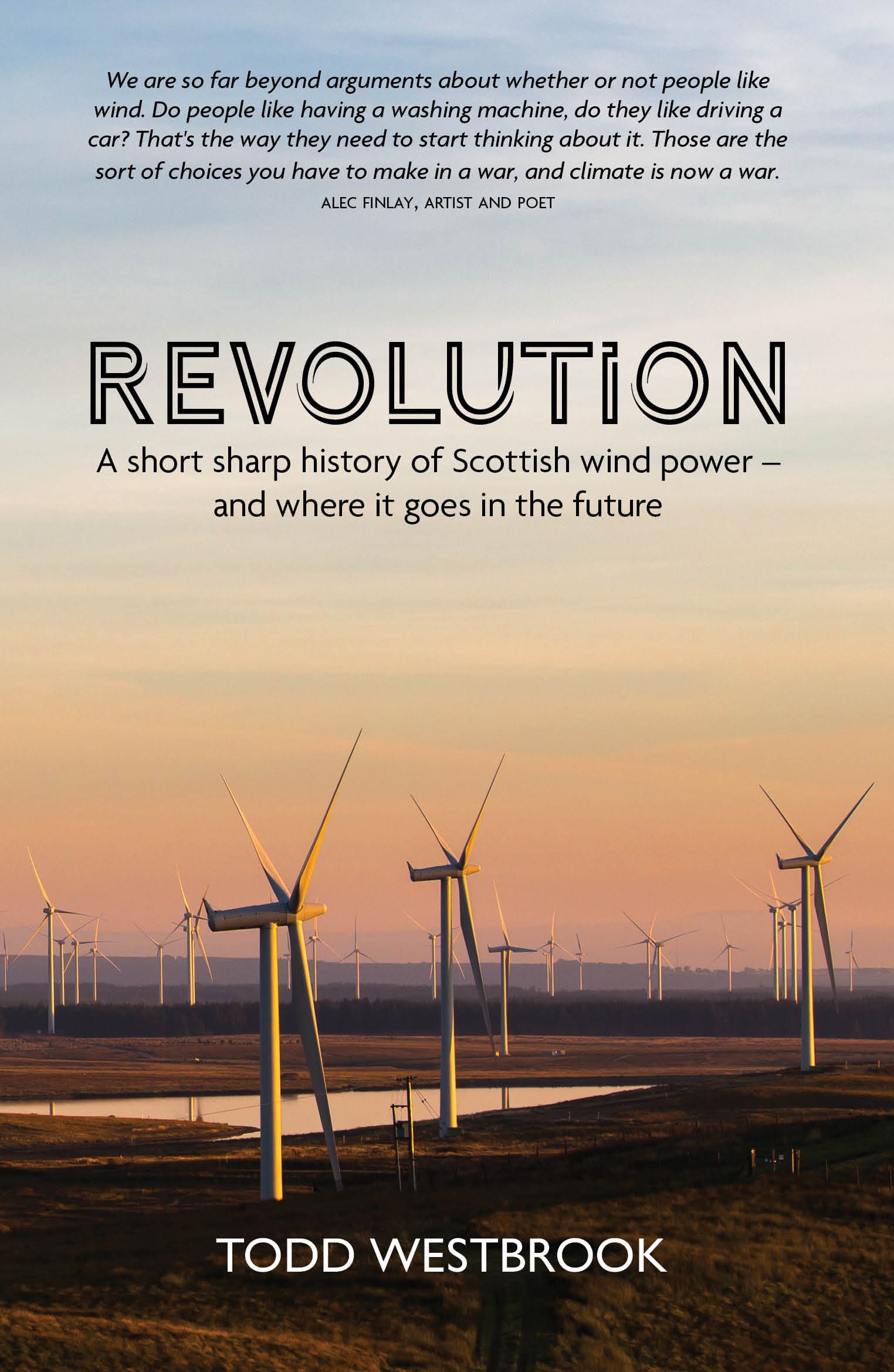 Revolution: A Short, Sharp History of Scottish Wind Power – And Where it Goes in the Future, Todd Westbrook
Published by Luath Press, £9.99
Luath Press says: Revolution isn’t your usual book on renewable energy. It’s factual, funny and, most importantly, an accessible guide to how Scotland can and must achieve change.
BfS says: Seasoned journalist, Todd Westbrook crafts a compelling account of Scottish wind power in the past, the present and the future and its potential to revolutionize power production across the world. A fascinating and inspirational read which tackles head on both our climate emergency and how Scotland can – and more essentially must – achieve change.
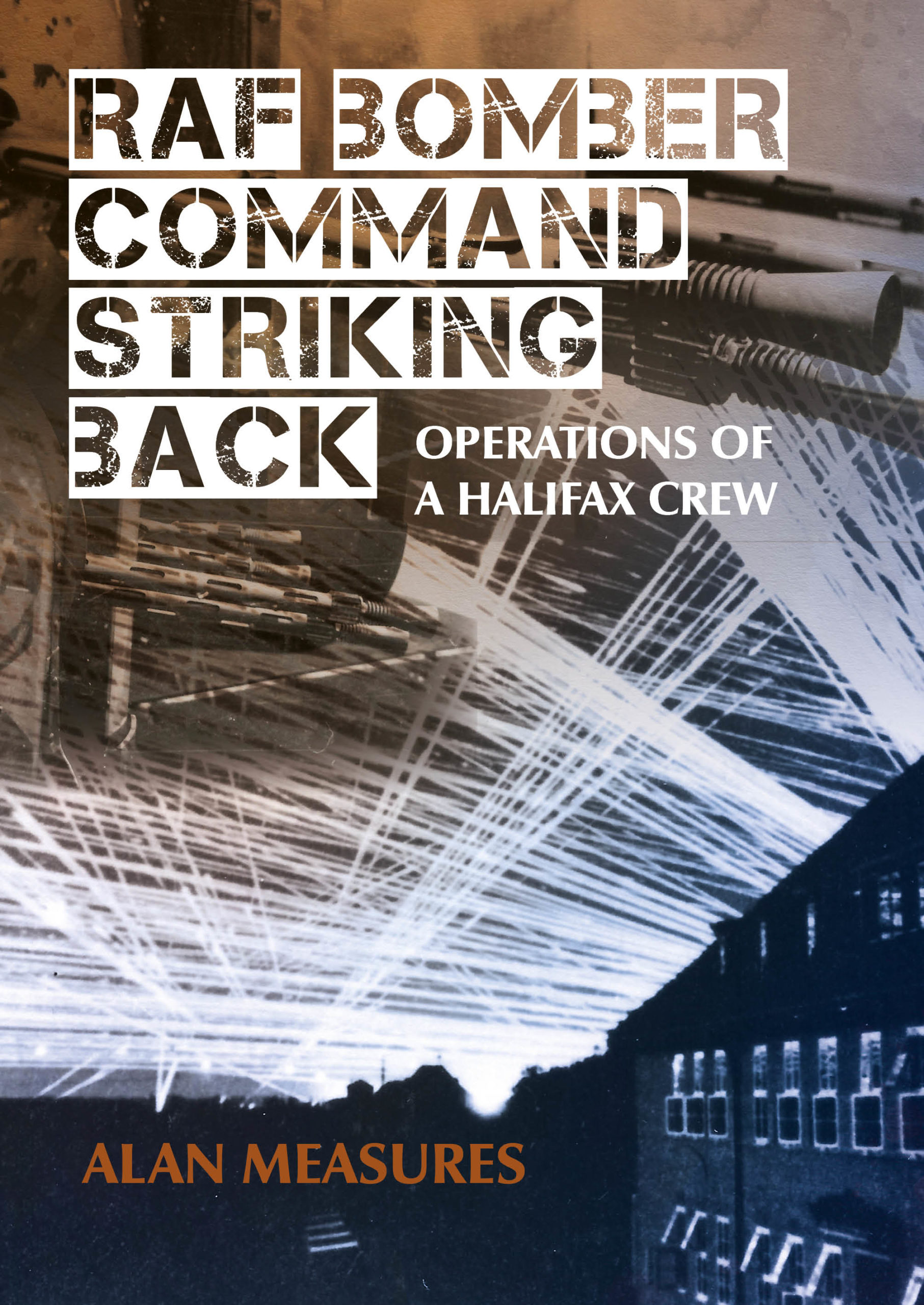 RAF Bomber Command Striking Back, Alan Measures
Published by Whittles Publishing, £18.99
Whittles Publishing says: This is an illuminating and hugely informative story, which is an insight into the day-to-day operations of a bomber crew that reveals some of the personal stories of the airmen. The author has a personal interest in the story that motivated him to write the book.
BfS says: This extraordinary account, told through the lens of a multinational crew, presents their personal and professional experiences through an unfaltering look at the RAF’s bombing campaign during 1941-42. A campaign that faced ever mounting challenges from an increasingly organised and integrated German air defence capability.
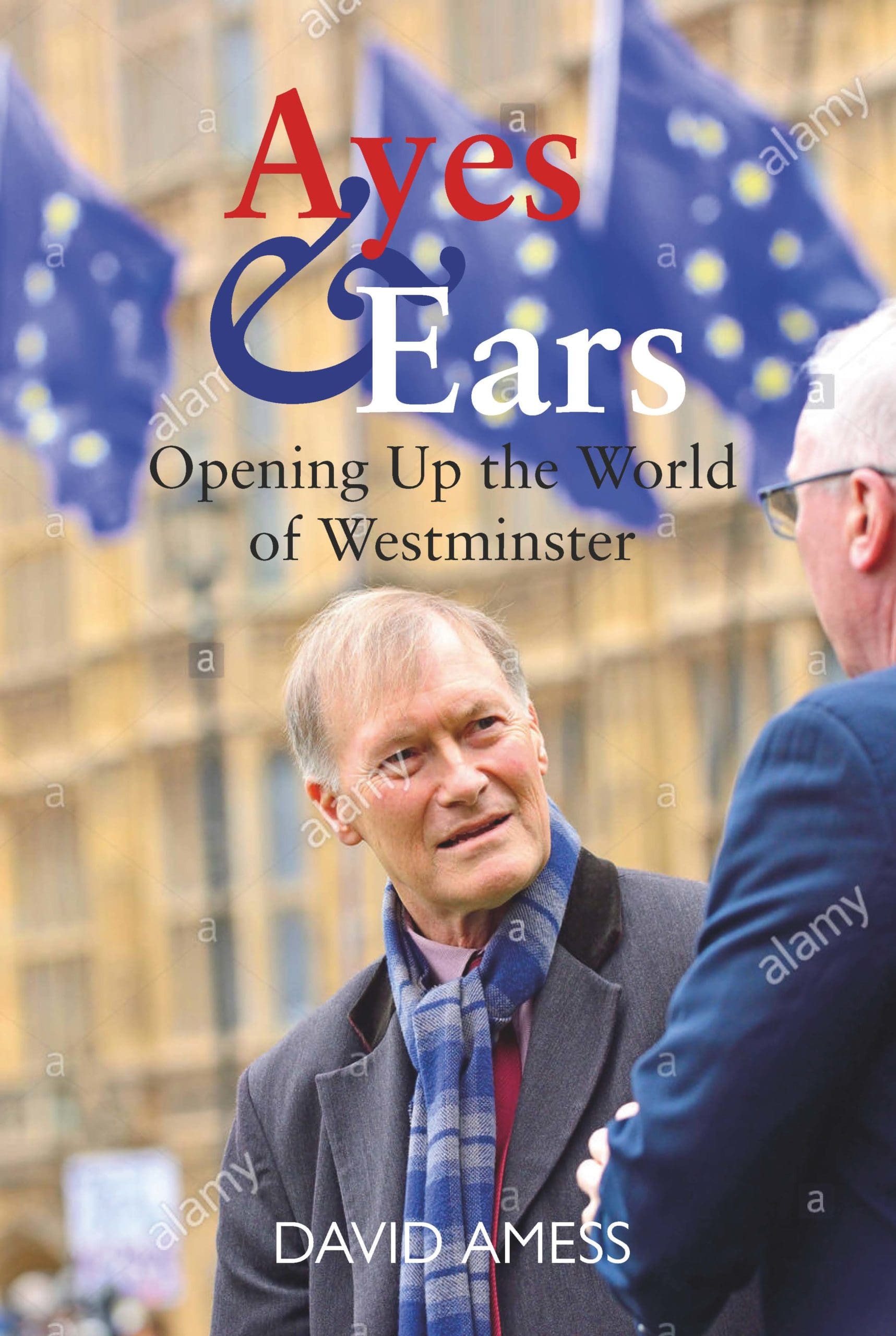 Ayes & Ears: Opening Up the World of Westminster, David Amess
Published by Luath Press, £14.99
Luath Press says: This is the rare chance to read the inside story of Westminster, from major scandals to its inner workings, as told by an MP present throughout the last 37 years of British politics.
BfS says: This inside story, told by prominent British politician, David Amess, opens up the world of Westminster, and in doing so reveals the inner workings of Britain’s most important institution.
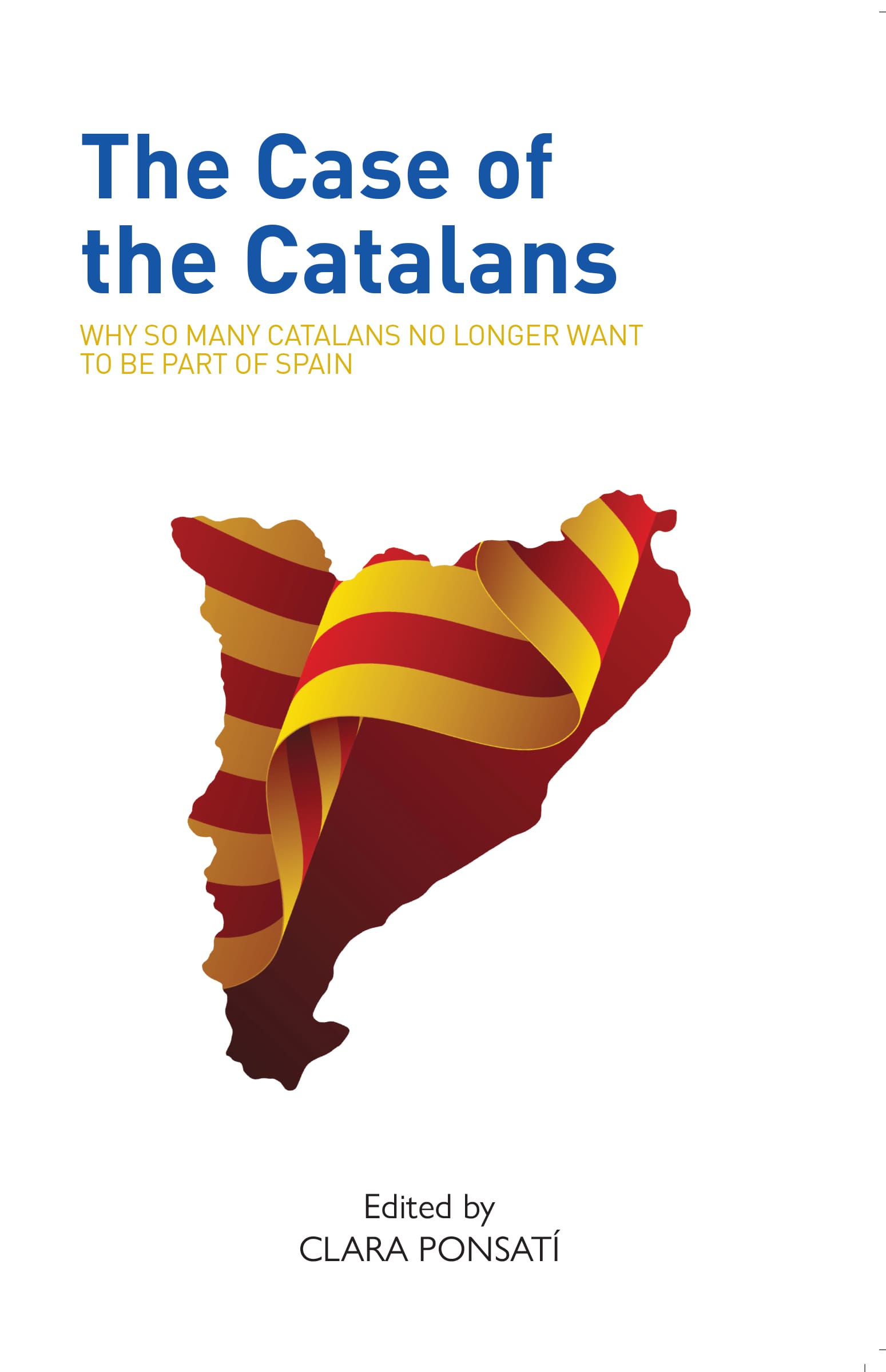 The Case of the Catalans, Clara Ponsati
Published by Luath Press, £7.99
Luath Press says: Clara Ponsatí was charged with sedition following Catalonia’s independence referendum and we’re proud to be publishing their work defending their political beliefs ruled unlawful by the Spanish government.
BfS says: The issue of Catalonian independence is one that has consequences not only in Spain, but across Europe and the world. If you want to find out why so many Catalans are unhappy with their current political representation, this is a vital read.
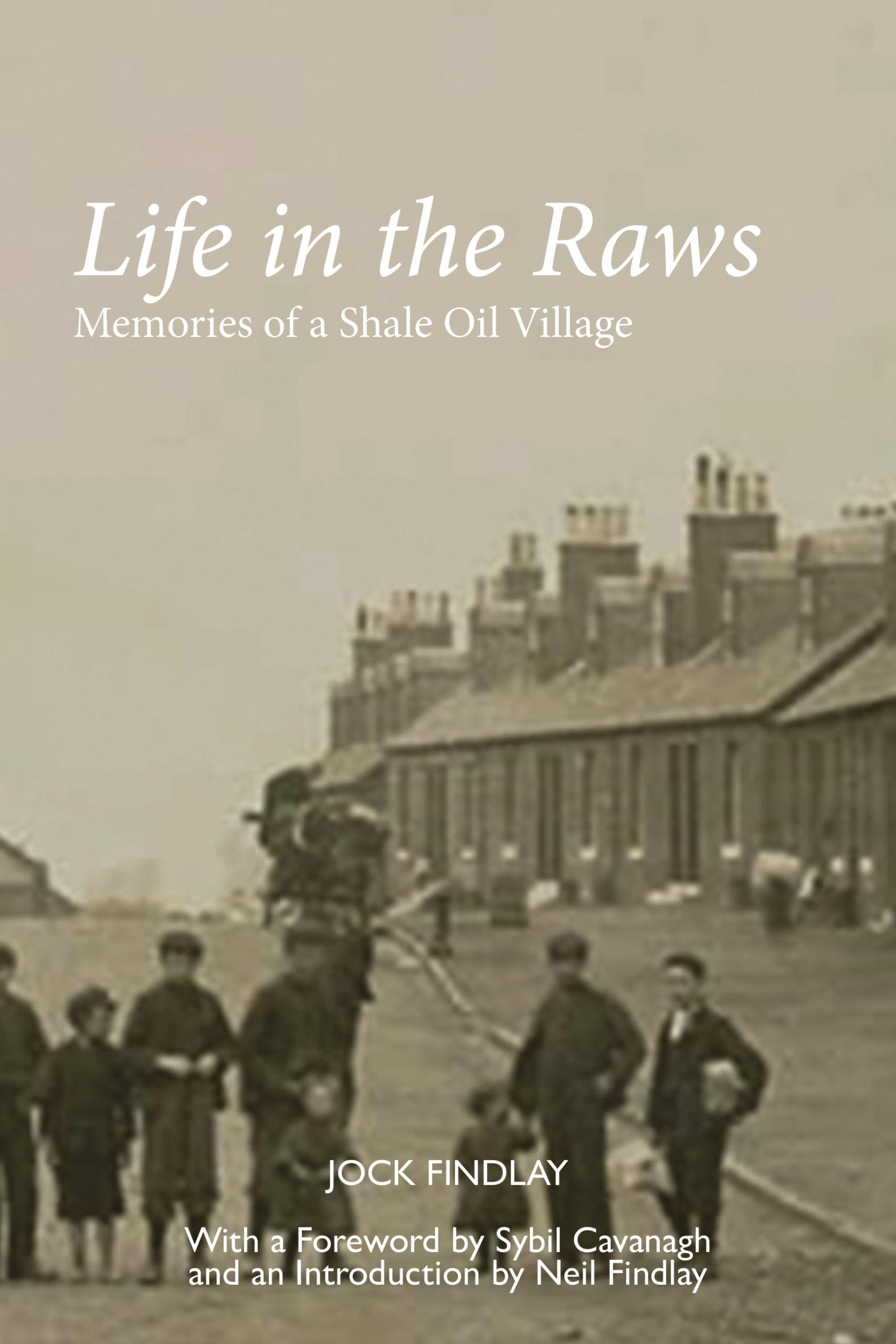 Life in the Raws: Memoirs of a Shale Oil Village, Jock Findlay
Published by Luath Press, £9.99
Luath Press says: This book’s origin story is something special, while the author’s grandson was canvassing, he visited his grandparents’ old home where the new owners discovered Jock’s story behind an old bath panel!
BfS says: From writings that started on the back of a plywood bath panel, this remarkable life story captures the essence of ‘a proud, good, clever working class man’ and his experience of everyday life in the Raws. Spanning almost a century, Life in the Raws presents the story of the unique Scottish village of Pumpherston, home to the brave shale oil workers, John ‘Jock’ Findlay among them.
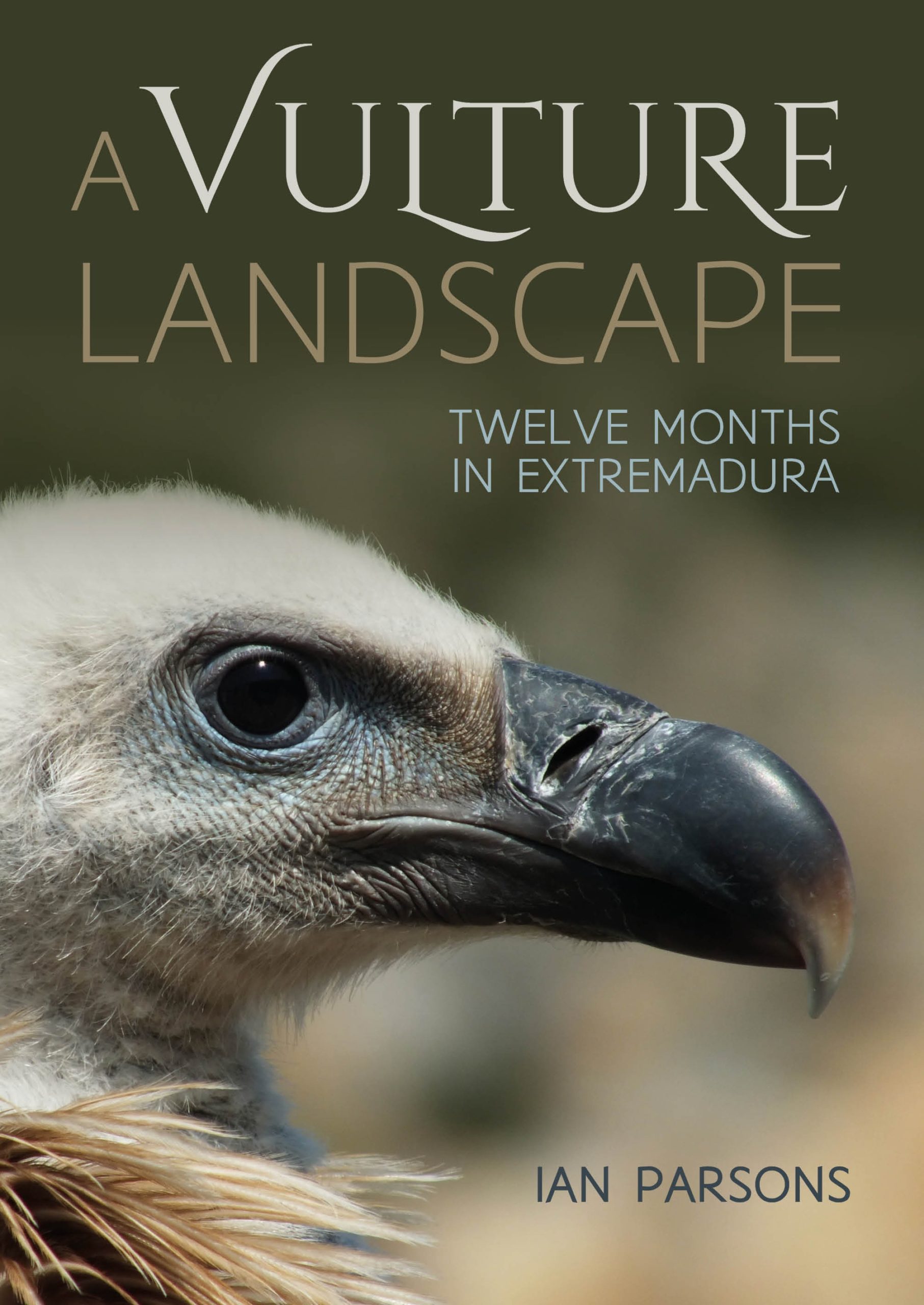 A Vulture Landscape, Ian Parsons
Published by Whittles Publishing, £17.99
Whittles Publishing says: We were delighted to have the opportunity to reveal a great deal of information about these enigmatic birds in their Spanish homeland. It’s a fascinating account from an expert who has been close to them for many years.
BfS says: More than just birds, Vultures are a crucial part of many of the world’s ecosystems. This book charters a calendar year in the life of these extraordinary birds, exploring in terrific detail their survival and the important role they play as a species, as well as offering fascinating facts such as how they have mastered the art of flying without expending any energy!
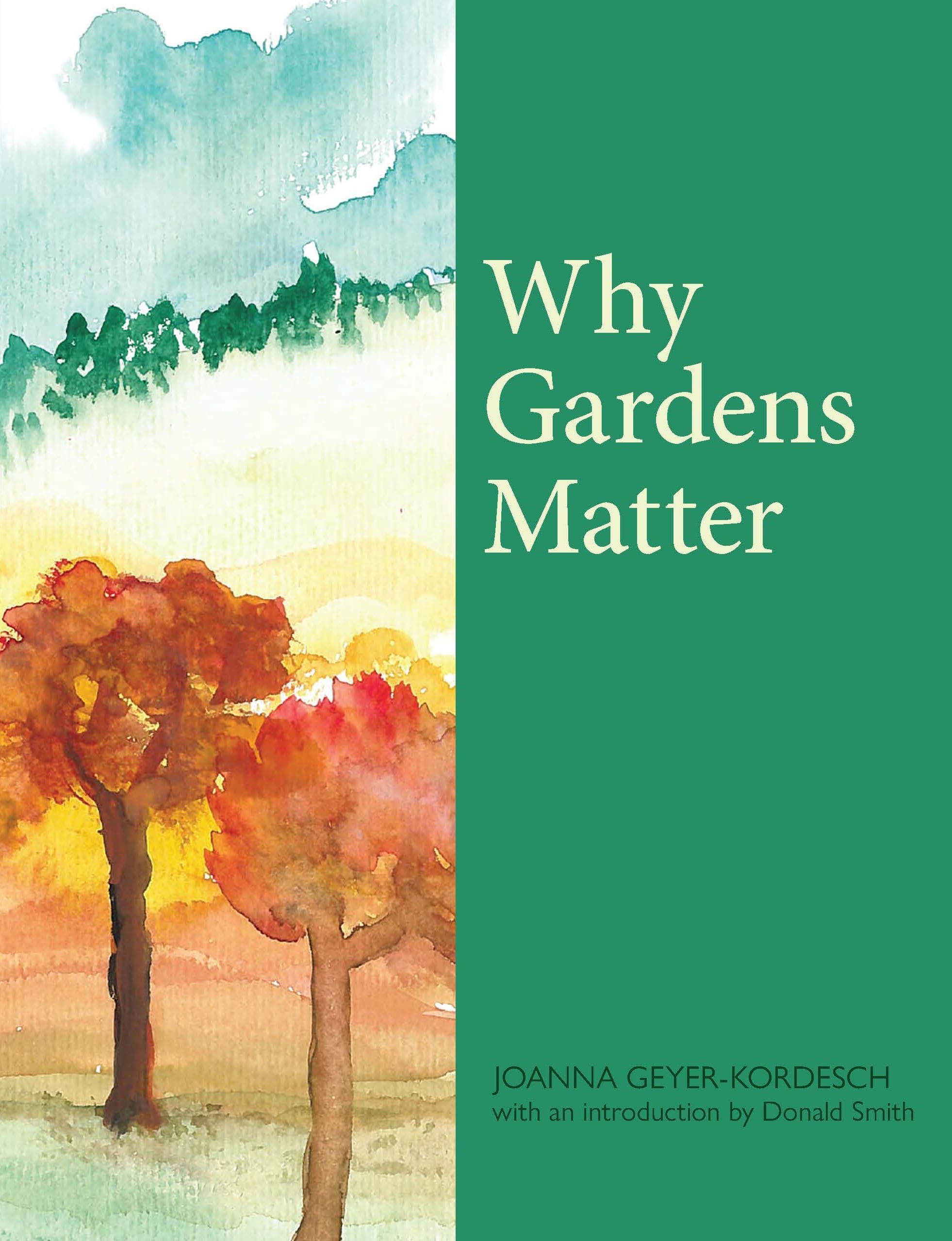 Why Gardens Matter, Joanna Geyer-Kordesch
Published by Luath Press, £14.99
Luath Press says: For us and many others, our outdoors have become very important during 2020 for our health and wellbeing. This unique book on how gardens can help regenerate us is an enlightening read on these important green spaces.
BfS says: A beautiful book advocating the merits of putting down your trowel and simply sitting in your garden as an act of ‘reflection, consolation and healing’. Joanna Geyer-Kordesch, an exceptional academic writer in natural history and medicine, shares her profound experience of recovery and regeneration after suffering a major stroke through connecting with the soothing, life-affirming properties of green spaces.
Childrens Books
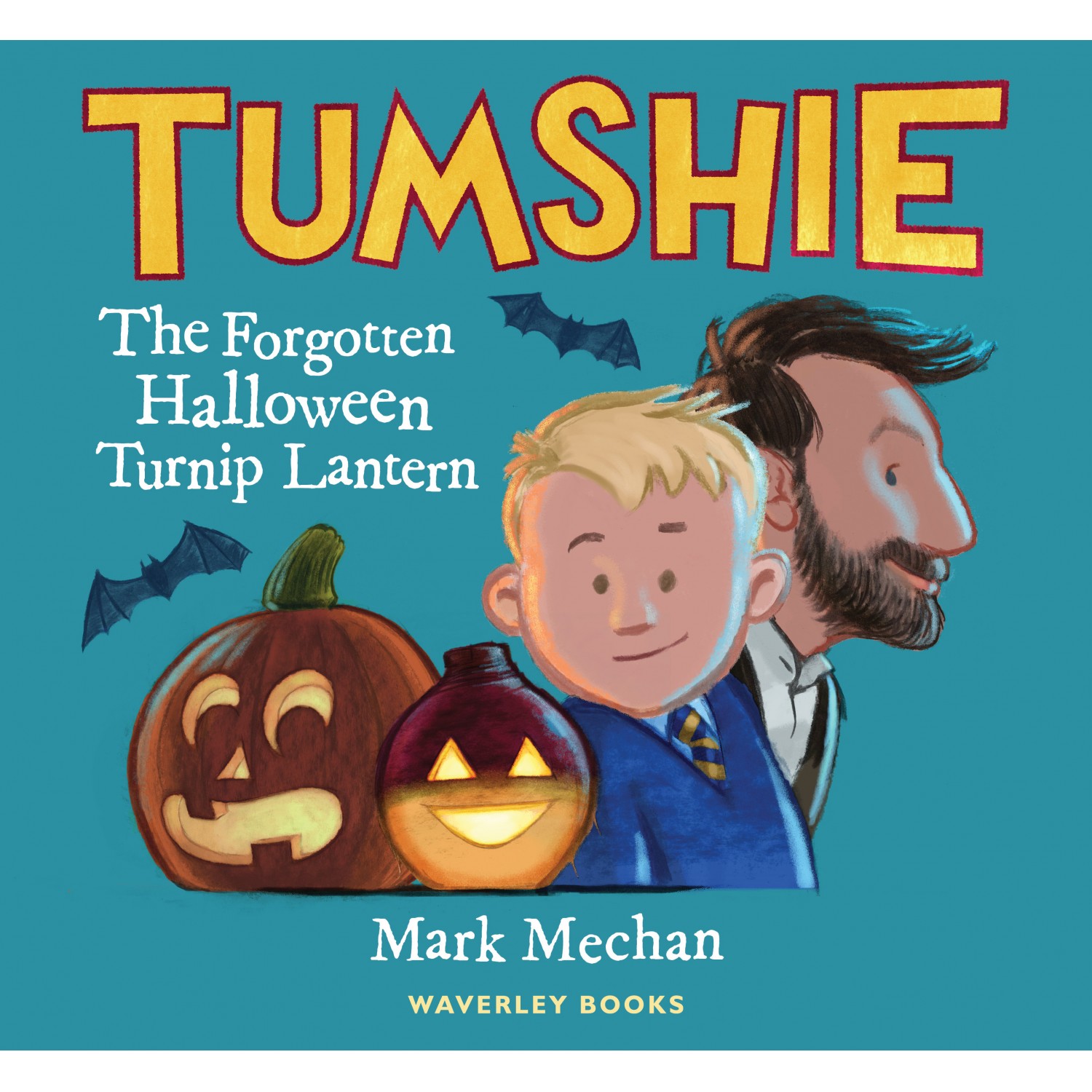 Tumshie, Mark Mechan
Published by Waverley Books, £7.99
Waverley Books says: (Ron) Sometimes you can be in a bookshop and a book catches your eye and stirs such personal memories that you have to have it. Ron Grosset said: ”Having worked with Mark for so long we knew the quality of his work as an artist, and being a relatively small office, we all shared each other’s sense of humour. The fact we’d been so involved in The Broons and Oor Wullie meant nostalgia was something we are passionate about. When Mark had the idea to tell the ‘Tumshie’ story, it was a story that resonated with us.
In Ron’s case, his experiences of Halloween parties were strong – “perhaps not as colourful as Mark’s, but we grew up in a tenement area on the southside of Edinburgh, and Marchmont was pretty busy with tumshies. I can remember kids dressed as witches on broomsticks, ghosts (kids with a sheet over their head) and black cats with whiskers in Spottiswoode Street, rather than children dressed as Empire State Buildings. In those days the older kids in Edinburgh carried a box of Scottish Bluebells (matches) in their pocket as the tumshies kept going out, as they went from house to house.’
(Liz, in London) My mum made Halloween very special and we had a party at our house each year when we were young. We “ducked” instead of ‘dooking’ (but knew the Scots term) for apples and made toffee apples, dressed up and went to each other’s houses as witches and ghosts – these are memories indelibly stamped and important. I remember carving out oranges and little demon faces in the skin, and helped to make an ice cream/sorbet filling. Delicious. I suppose that is the soft southerners equivalent for you… The colours then were orange and black, and very simple. It was the highlight of the autumn as Guy Fawkes came right after it and we made guys with other children in our road. We had monkey nuts and sweets, but it was pretty tame stuff in comparison to now. ‘Tumshie’ for me stirs deep memories.
BfS says: The beautifully illustrated Tumshie tells the heart-warming tale of a father sharing with his son his own childhood experiences of Halloween as they prepare to welcome it in. Mark Mechan’s warmth and humour glow in his words and illustrations bringing to life the magic of times gone by in a story that will be enjoyed and resonate with all ages.
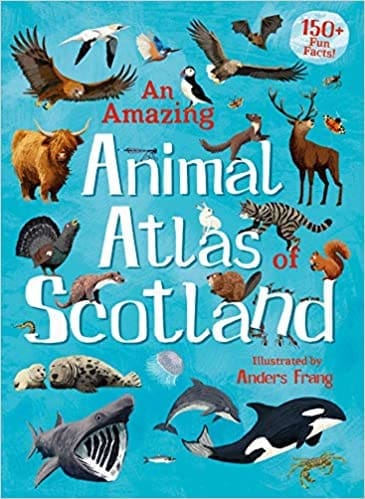 The Animal Atlas of Scotland, illustrated by Anders Frang
Published by Floris Books, £12.99
Floris Books says: We spotted Anders’ work for the first time back in 2017 when he was taking part in the Picture Hooks Mentoring Scheme, and we immediately knew that we had to work with him. The energy, sophistication and cheekiness of his work was undeniable, and when the Amazing Animal Atlas of Scotland project came along, it felt like the perfect fit for him. He exceeded our expectations; his dedication to the project and the reader was brilliant and he’s produced something really special. On every page his animals express their playful, proud or mischievous personalities in their carefully researched and beautifully illustrated habitats.
BfS says: There’s so much in this book to enjoy, from its fascinating facts to its amazing illustrations. It’s the perfect gift for any young animal enthusiast wanting to learn more about Scotland’s unique wild spaces and wonderful wildlife. It’s hard to put down once you open its pages!
The Girl Who Stole the Stars, Corrina Campbell
Published by Little Door Books, £6.99
Little Door Books says: We were struck by the originality and freshness to Corrina’s work when we found her pitching her illustrations and story ideas as part of the annual XpoNorth publishing event. We are thrilled to be showcasing Corrina’s fun and quirky style by publishing her debut picture book, The Girl Who Stole The Stars, as part of our Little Door Debuts strand. She has worked extremely hard and we are sure that, like the stars in her story, she has a very bright future ahead of her.
BfS says: Brought alive through beautiful illustrations that touch the heart of every reader, this special seasonal tale weaves themes of friendship, love, happiness, and doing the right thing together, and is sure to be a bedtime favorite.
I wanna be like Me, Kenn y Taylor and illustrated by Grisel Miranda
Published by Sparsile Books, £6.99
Sparsile Books says: We felt really lucky when artist/writer duo Grisel Miranda and Kenny Taylor approached Sparsile as a publisher for their children’s book. Originally from Argentina, Grisel brought an unusual quirky perspective to her approach, while Kenny’s rich experience, travelling abroad, gave him the ‘sparkle’ we’re looking for in our new writers.
BfS says: If you have a bored little monkey at home, this is the book for them. Its strikingly colourful and playful illustrations and fun story will captivate any restless pre or early reader, and keep them captivated until its heart warming conclusion. A must for parents wanting to bolster a child’s self-esteem and teach them about being themselves.
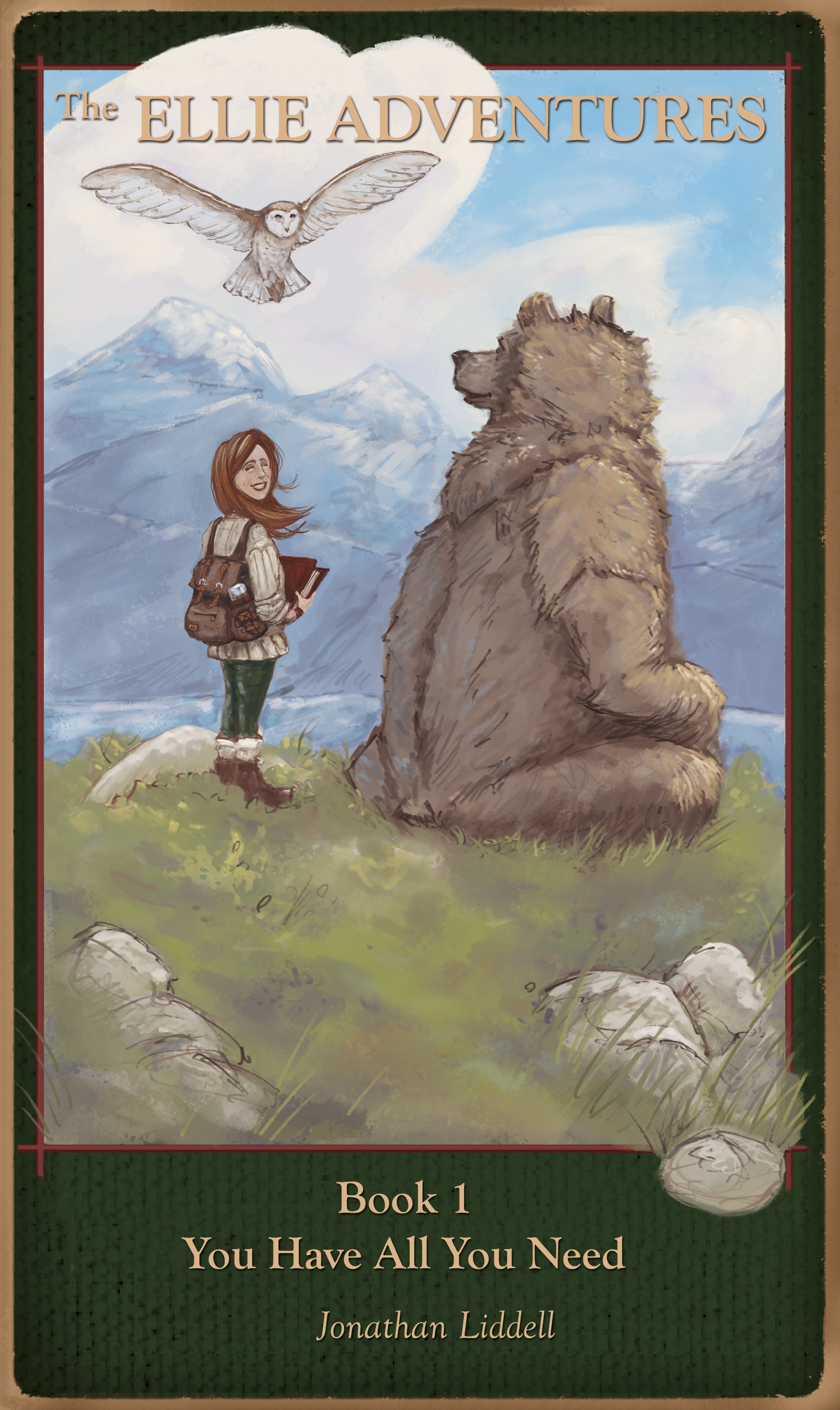 The Ellie Adventures: Book 1 – You Have All You Need, Jonathan Liddell
Published by Swan & Horn, £8.99
Swan & Horn says: I was eager to bring Jonathan’s work to light because he has a very special blend of skills. Not only is he an accomplished and timeless artist, but he has a magical way of writing stories, especially for 7 to 12 year-olds, for whom there are few books about the specific challenges of modern life. He is passionate about helping youngsters, using his much-loved hero, Ellie, for many years to inspire them to tell their own stories and tap into their own resources. The books Swan & Horn publish cover many aspects of health and wellbeing, especially mental health, and his vision is perfectly aligned with their aspirations.
BfS says: A cracking chapter book for all young readers out there looking for a relatable hero to teach them about the depths of love and friendship, overcoming challenges, righting wrongs, and discovering what it means to ‘have all you need’.
Two Pups, Seona Calder
Published by Sparsile Books, £4.99
Sparsile Books says: Seona’s lovely book works on so many levels, we knew we had to have it. Explaining complex concepts, such as diversity, to small children can be difficult, but Seona handles it beautifully, and the lovely nostalgic artwork had parents’ reminiscing about their own childhood books. We think it’ll be a classic.
BfS says: A beautifully accessible book for any early reader exploring hard-to-explain concepts, such as difference and diversity, through the tale of an unlikely friendship. A must have for any early reader’s book collection encouraging our youngest to celebrate what makes us different as well as what connects us.
It is little wonder Scotland has produced such a wealth of talented nature writers with its landscape as uniquely beautiful as it is diverse. In the film below we take a look at some of today’s brilliant Scottish nature writers, along with a nod to our pioneer in the field, Nan Shepherd. Their works, whether looking at the miniscule, the mighty, the menacing, or the mysterious nature of Scotland’s landscapes, encourage not only a deep love and admiration for Scotland’s wild places, but carry on a rich tradition of exploring the boundaries of what nature writing can mean.
And if you’d like more information on the excellent books featured in the film. . .
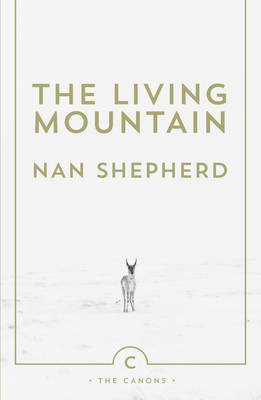
The Living Mountain, Nan Shepherd
Published by Canongate, £8.99
Composed during the Second World War and written in intense, poetic prose Nan Shepherd takes the reader into the Cairngorm mountains of Scotland on a quest to discover their ‘essential nature’. Walking in her footsteps we encounter a world that can be both breathtakingly beautiful and shockingly harsh, and are invited to, like Shepherd, meditate on our own relationship with the wild world around us.
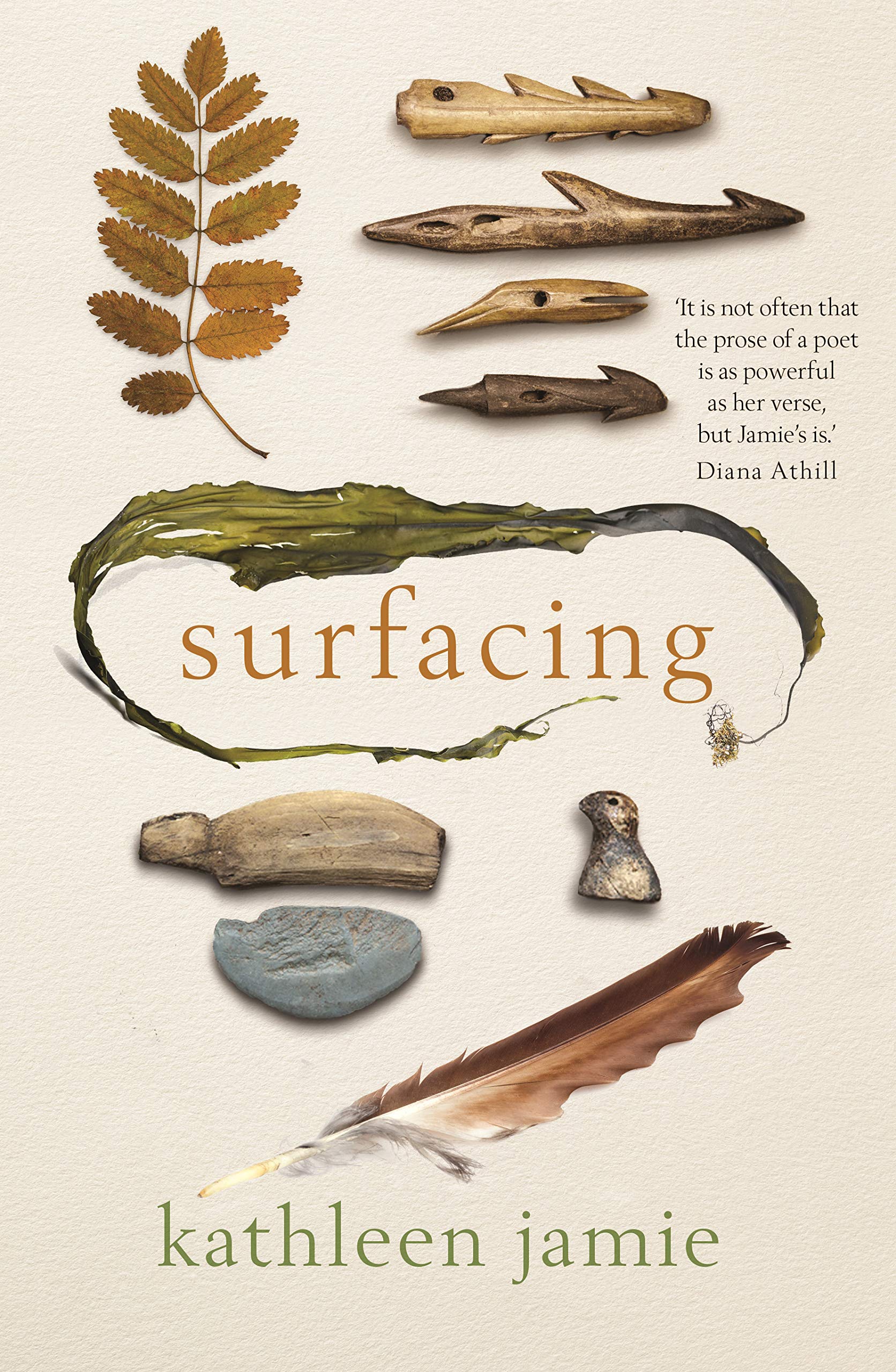 Surfacing, Kathleen Jamie
Published by Sort of Books, £23.99
In this beautiful collection of essays Kathleen Jamie traces themes that have surfaced throughout her life and her work over the past 40 years. Mining her memories whilst moving through changing landscapes Jamie explores her own reflections on nature and the nature of life, and how what surfaces – both in our inner and outer world – reconnects us to our past.
We would also highly recommend Kathleen Jamie’s other nature books, Sightlines and Findings.
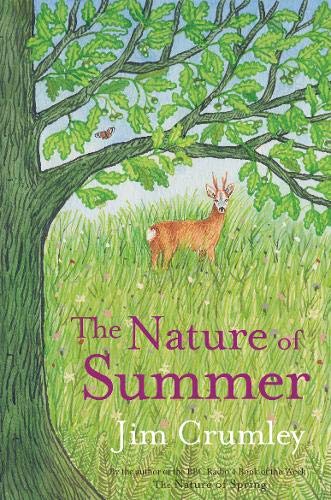 The Nature of Summer, Jim Crumley
Published by Saraband Books, £12.99
In this intimately observed book, Jim Crumley both celebrates nature at its very apex in his beloved Highlands, Perthshire and Trossachs heartlands, and also looks in sensitive detail at the profound impact of climate chaos on the habitats and inhabitants of these beautiful wild places. Crumley chronicles it all: the wonder, the tumult, the spectacle of this spectacular season.
We’d also highly recommend the companion books, Nature of Autumn, Nature of Winter and Nature of Spring.
 Moder Dy, Roseanne Watt
Published by Polygon, £8.99
In this debut collection from Shetland poet Roseanne Watt we are offered glimpses of the raw beauty of land and language. In deliberate, concise yet dramatic prose we are reminded of the complex and mysterious relationship of both the nature of human experience and that of land and sea.
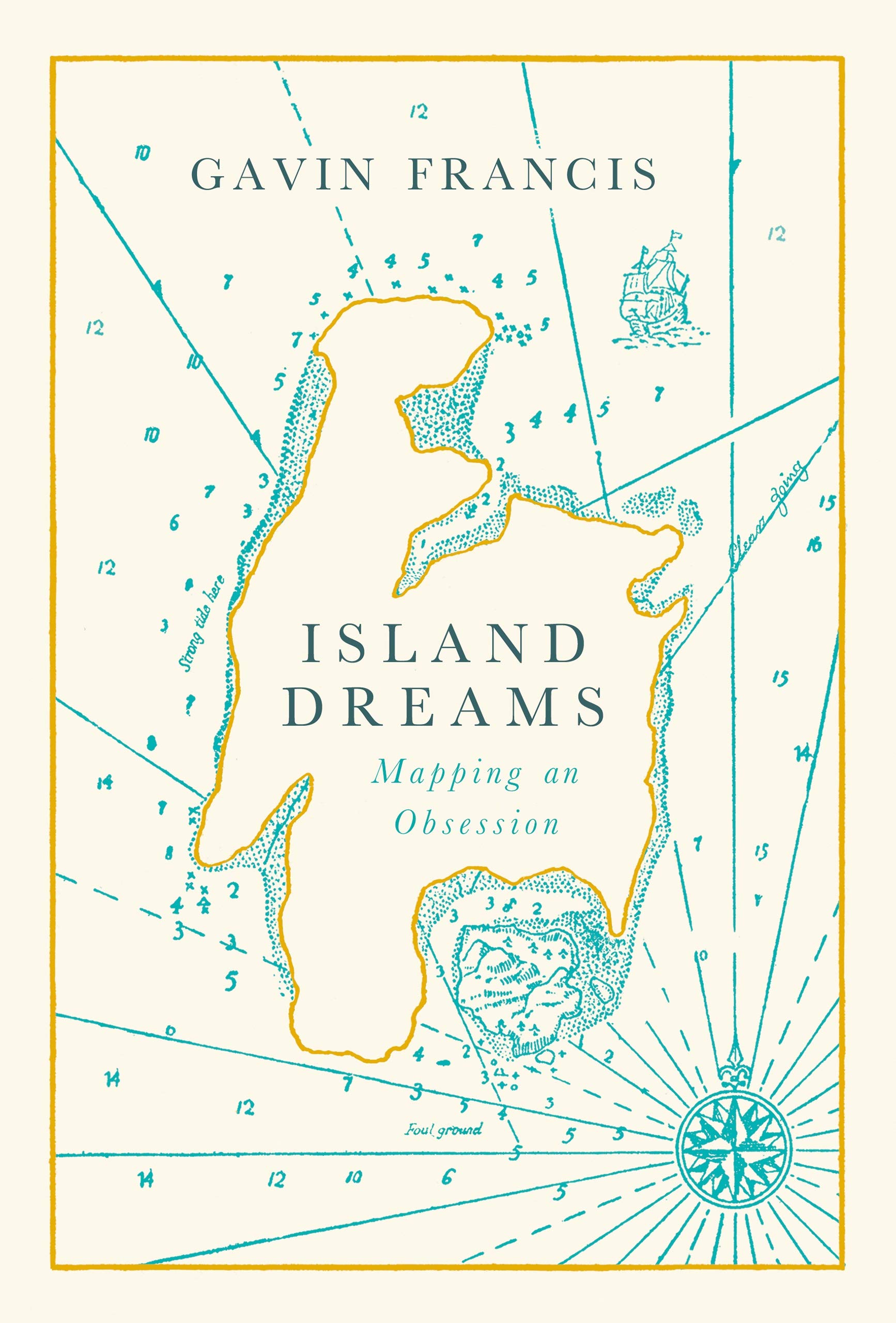
Island Dreams: Mapping an Obsession , Gavin Francis
Published by Canongate Books, £20.00
In this examination of our collective fascination with islands, Gavin Francis blends personal accounts of his own travels, with psychology, philosophy and great voyages from literature. Island Dreams reflects on themes of rest and motion, independence and attachment, and the importance of islands and isolation in our collective consciousness.
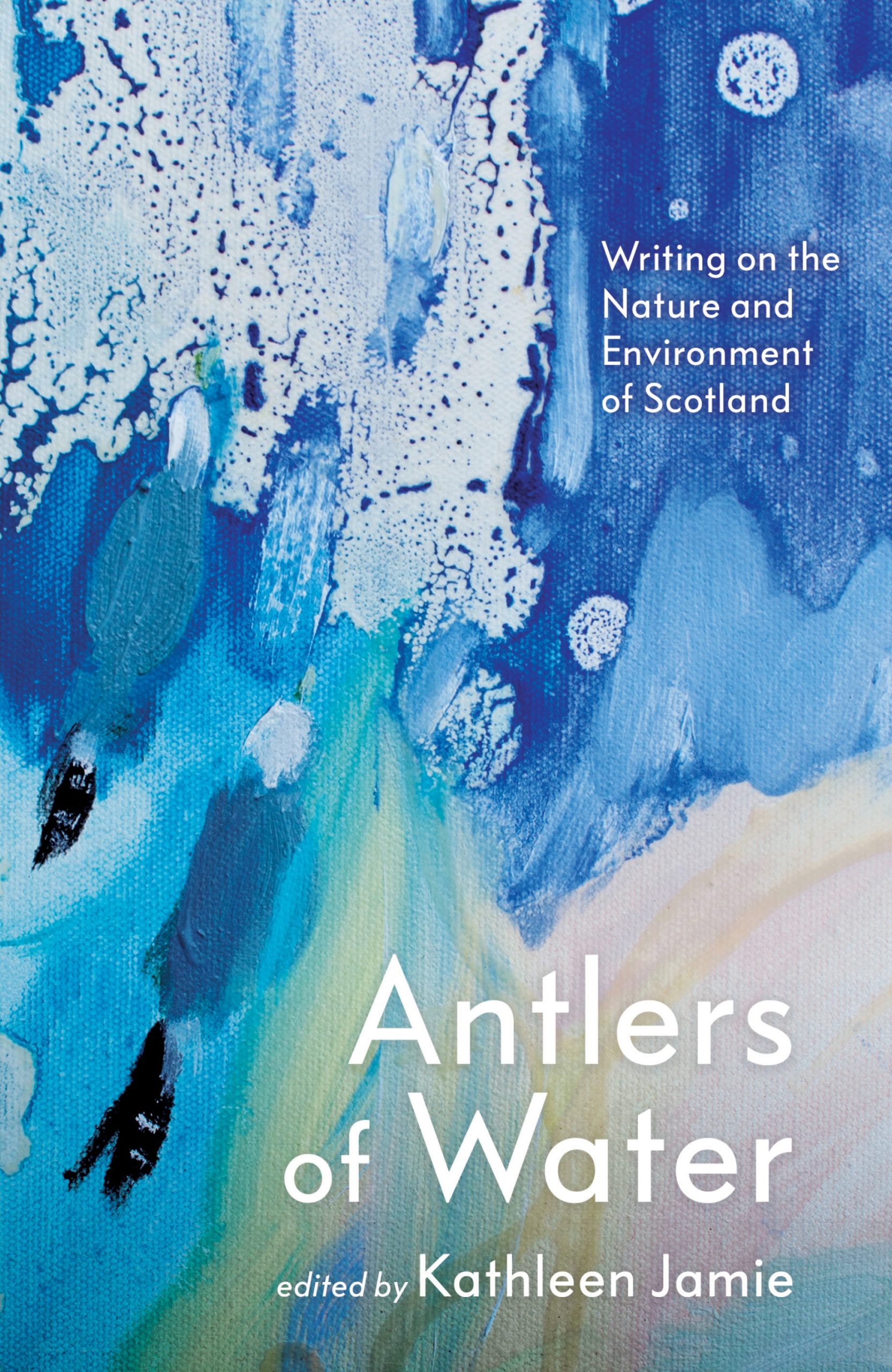 Antlers of Water, edited by Kathleen Jamie
Published by Canongate Books, £15.99
Showcasing the diversity and innovation in Scottish nature writing today, Antlers of Water features inspiring prose, poetry and photography that will enthrall and provoke. With voices from across the country, from many walks of life, and exploring all landscapes, this collection will make you look at the world in news ways.
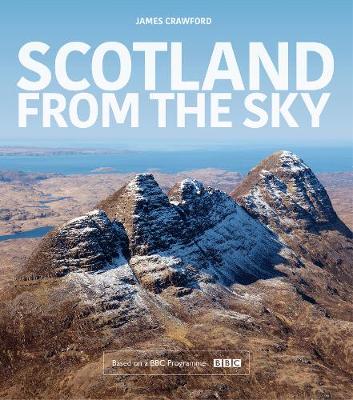 Scotland from the Sky, James Crawford
Published by Historic Environment Scotland, £25.00
Offering an extraordinary birds-eye view, this book tells the remarkable story of a nation through aerial imagery. Travel through time and space to see the evolution of our rural and urban landscapes, and the tales they tell – of war, innovation, adventure, cities and people.
And these books are just the beginning! Here’s a selection of favourites from more of Publishing Scotland’s member publishers. . .
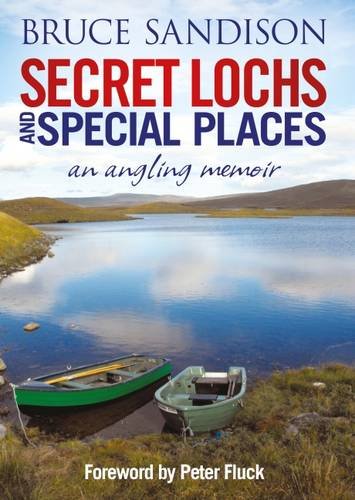 Secret Lochs & Special Places, Bruce Sandison
Published by Black & White Publishing, £9.99
This book celebrates the wonder and joy of wild fishing from an expert angler who knows a trick or two! Bruce Sandison also shares his own stories that highlight his love affair with his native land, its history, culture, people and places.
 The Secret Life of the Cairngorms, Andy Howard
Published by Sandstone Press, £24.99
In a stunning selection of photographs, leading wildlife photographer, Andy Howard, captures the intimate majesty of the Cairngorms natural world, focusing in particular on its lively mountain hares, otters, red squirrels and birds.
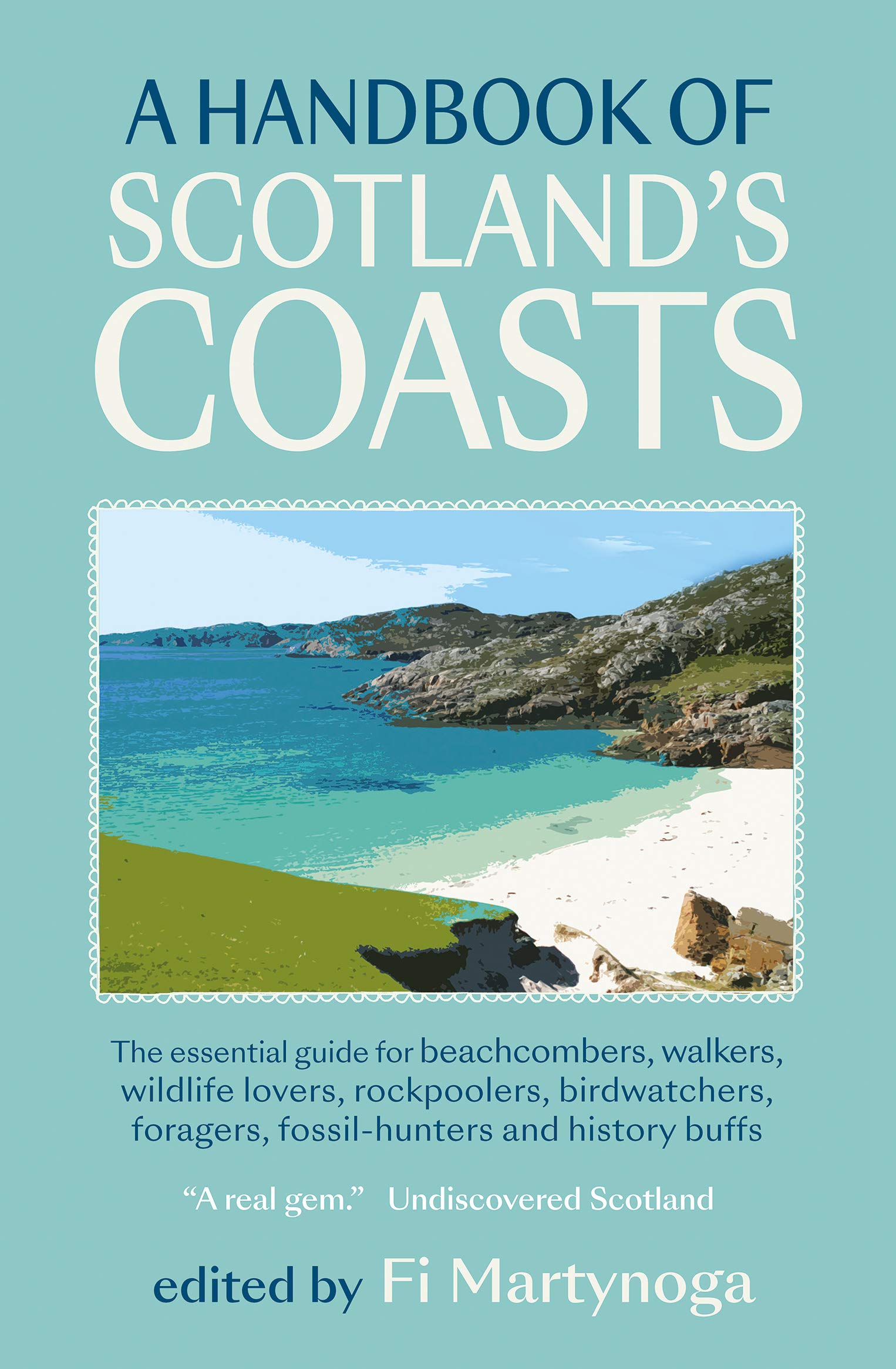 A Handbook of Scotland’s Coasts, Fi Martynoga
Published by Saraband Books, £12.99
An inspirational guide to help you discover wonder along the thousands of miles of Scotland’s spectacular coastline –from its stunning geology and diverse marine and bird life to its coastal history, culture and landmarks. It includes coastal appreciation from many writers, while Fi Martynoga also gives us her own expertise in exploring our coasts seaweed, shellfish, plants, flowers and grasses.
We’d also recommend Fi Martynoga’s companion books A Handbook of Scotland’s Trees and A Handbook of Scotland’s Wild Harvest.
 A Last Wild Place, Mike Tomkies
Published by Whittles Publishing, £18.99
Leaving the city to study the wilderness, Mike Tomkies shares his experience and his extraordinary insights into the wildlife and unrivaled beauty of the rugged and spectacular Scottish wilds. In this remarkable account Tomkies shares his quest to reconnect with nature and the urgent need for mankind to reattune to nature’s rhythms.
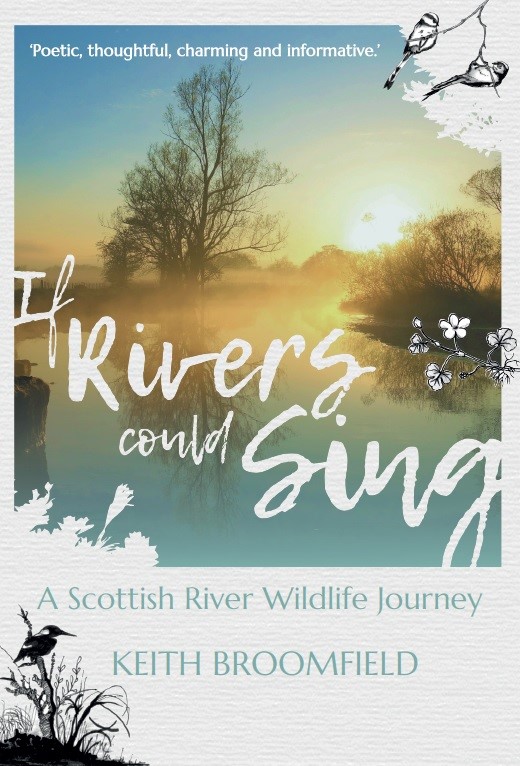 If Rivers Could Sing: A Scottish River Wildlife Journey, Keith Broomfield
Published by Tippermuir Books, £9.99
Rivers are captivating places, fluent in a secretive tongue that if you stop and listen will offer up surprises. In this book, Keith Broomfield dives deeper into the currents of his own local river to revel in its serenity, as well as its abundant wildlife and rich natural heritage.
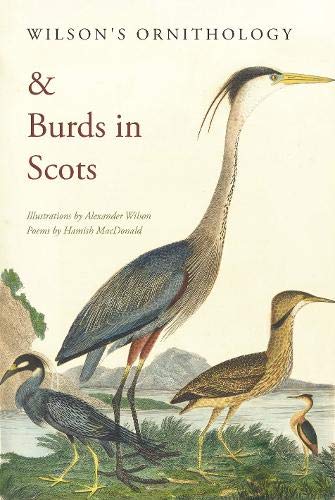 Wilson’s Ornithology and Burds in Scots, Hamish MacDonald & Alexander Wilson
Published by Scotland Street Press, £9.99
In the early nineteenth century, Alexander Wilson, inspired by his extensive travels in North America, was the pioneering force behind the science of ornithological writing and illustration. Here his artwork is celebrated by Scots poet Hamish MacDonald who writes vivid responses alongside Wilson’s beautiful and illustrations.
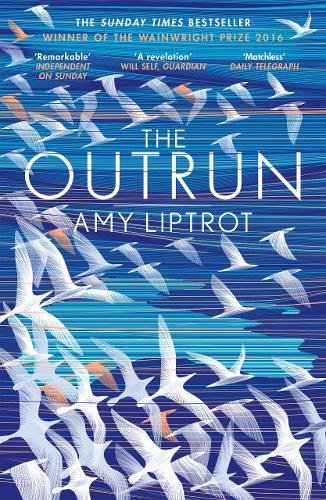 The Outrun, Amy Liptrot
Published by Canongate Books, £14.99
With its lyrical, unsparing prose, this award-winning memoir offers a poignant and reconciliatory account of how island life and the raw beauty of its wild landscape helped Amy Liptrot restore her life and renew her hope, as she entered her thirties, after a decade of addiction.
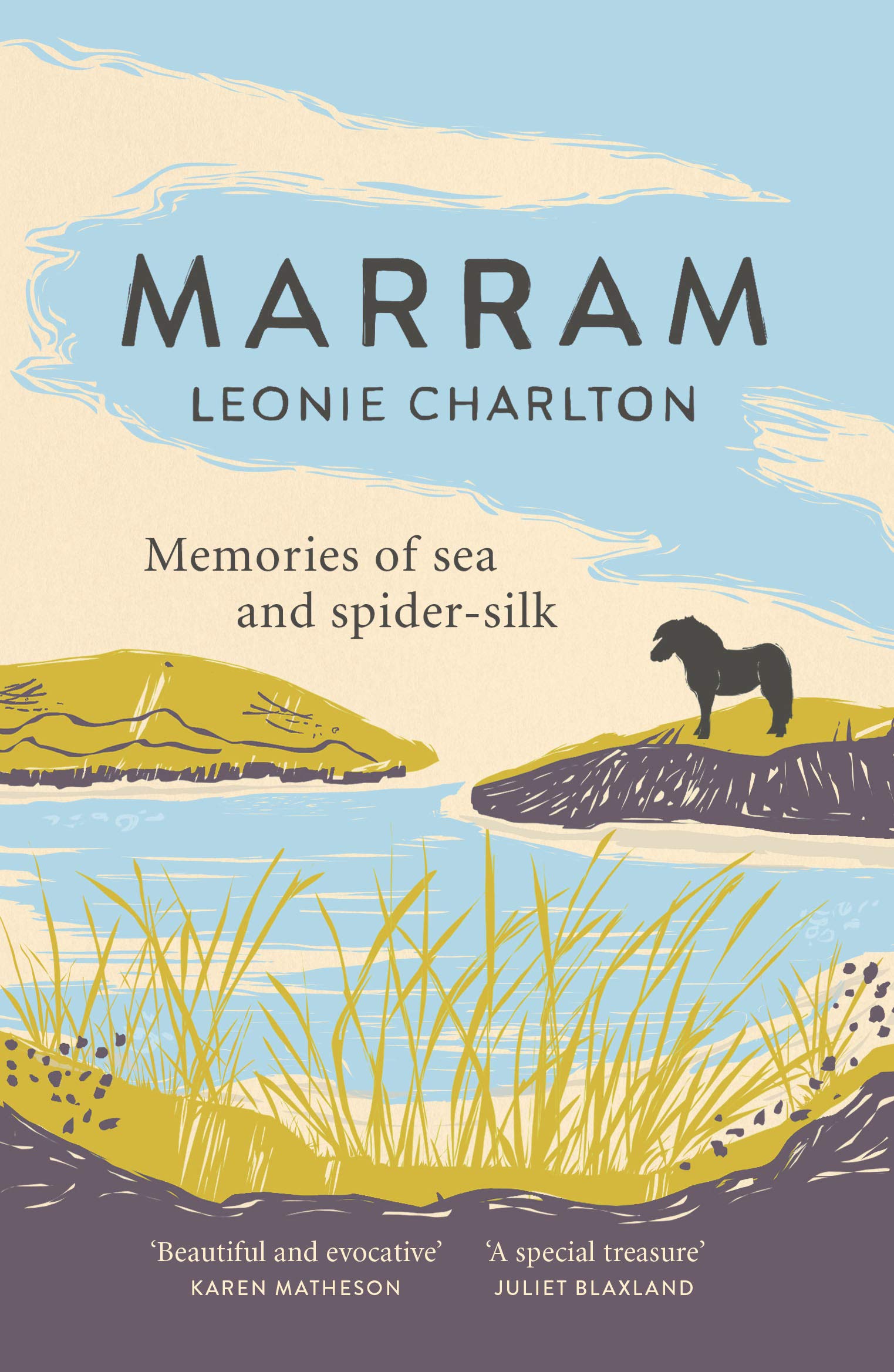 Marram: Memories of Sea and Spider Silk, Leonie Charlton
Published by Sandstone Press, £12.99
In Marram, Leonie Charlton skillfully blends travel and nature writing to give us an intimate memoir on her trek through the Outer Hebrides with a friend and two Highland ponies. With an eye for beautiful detail and honest reflection, she tells us how the journey helped her grieve the loss of her mother and find acceptance of their fraught relationship.
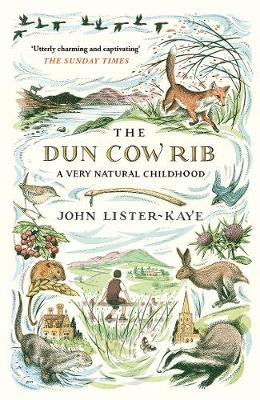 The Dun Cow Rib, John Lister-Kaye
Published by Canongate Books, £9.99
In this captivating coming-of-age tale, John Lister-Kaye reminisces on his childhood with warmth, wonder and wisdom. The memories he shares capture how his early life inspired his two lifelong passions: exploring the wonders of nature, and writing about them.
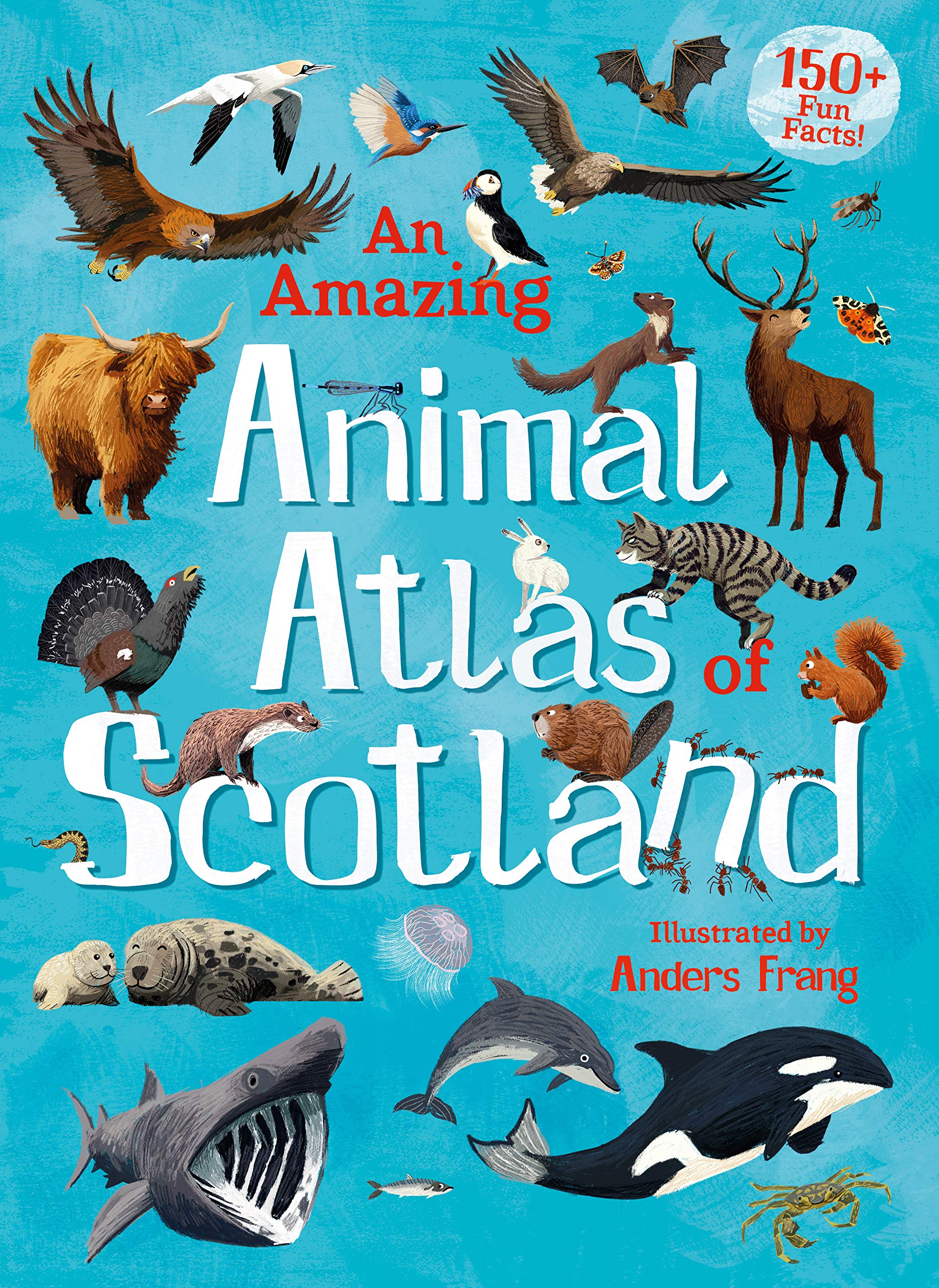 An Amazing Animal Atlas of Scotland, Anders Frang
Published by Floris Books, £5.99
Full of fun and fascinating facts, with vivid illustrations on every page, this brilliant book is the perfect choice for any young animal enthusiast wanting to learn more about Scotland’s unique wild spaces and wonderful wildlife. Guaranteed to keep your young ‘uns captivated for hours!
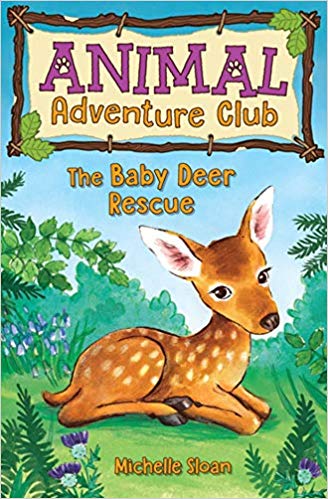 Animal Adventure Club series, Michelle Sloan
Published by Floris Books, £5.99
The Animal Adventure club is a brilliant series for young nature lovers, where we follow Isla, Buzz and Gracie – aka the Animal Adventure Club – do all they can to keep wild animals safe. It’s a heart-warming adventure series with friendship and a love of nature at its core.
Catch up with further adventures of the Animal Adventure Club with The Baby Squirrel Rescue and The Baby Otter Rescue.
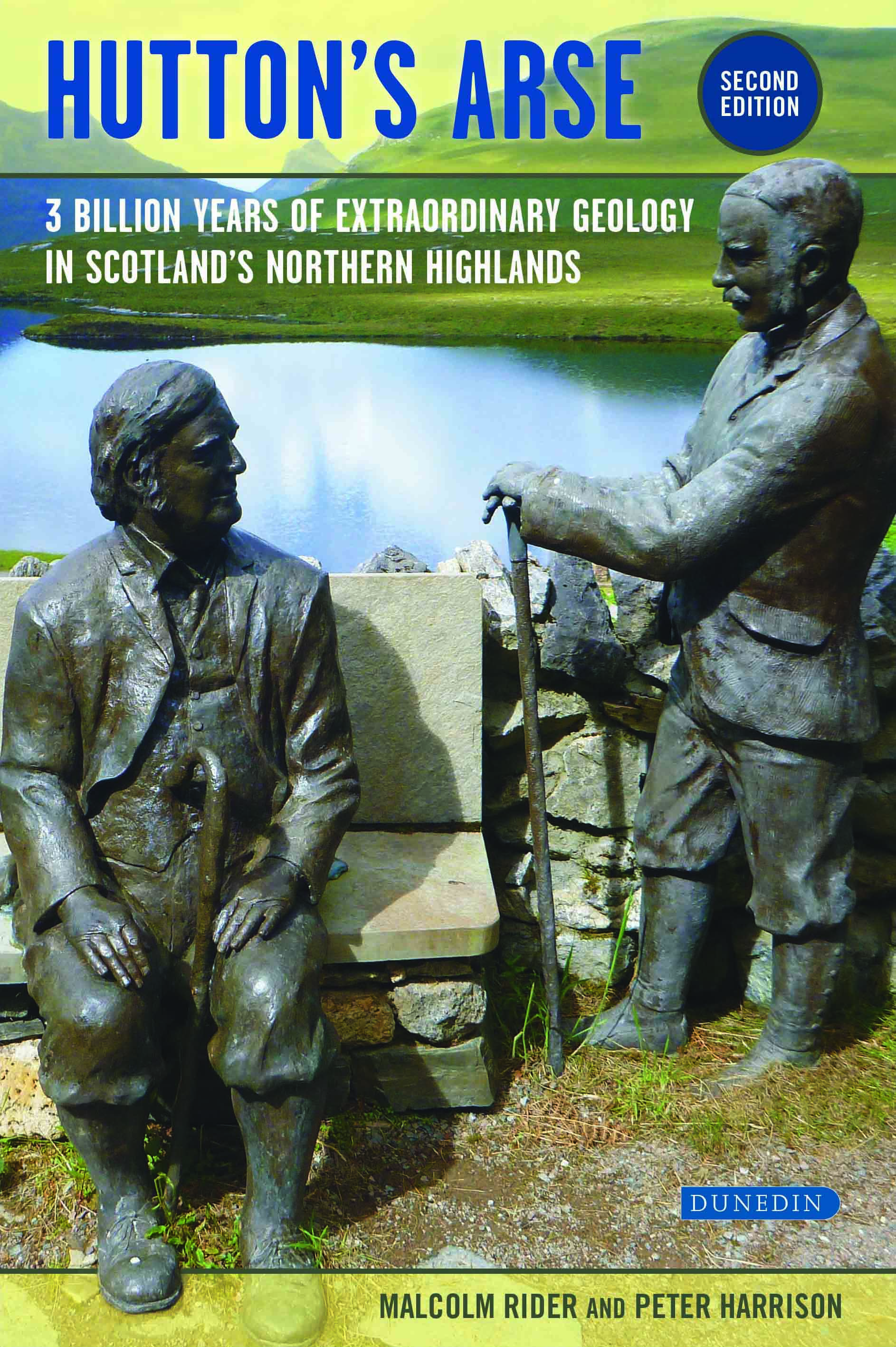 Hutton’s Arse, Malcolm Rider
Published by Dunedin Academic Press, £19.99
Taking the reader on a journey spanning three billion years, and written for all to understand, Hutton’s Arse celebrates the extraordinary geological history that influenced and informed the magnificent beauty of the Northern Scottish Highlands.
And we can recommend more Scottish nature writing from publishers across the UK. . .
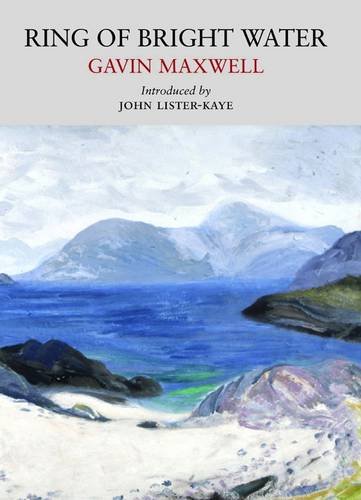 Ring of Bright Water, Gavin Maxwell
Published by Little Toller Books, £14.00
Another classic of the genre which has been hailed as a masterpiece for its lyrical and moving writing, this autobiographical work by Gavin Maxwell describes his relationship with the natural world, and his life-changing relationship with otters.
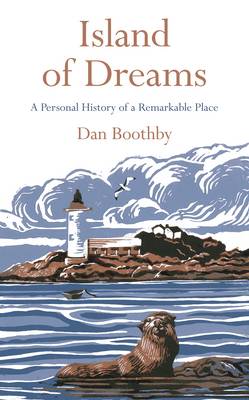 Island of Dreams: A Personal History of Remarkable Place, Dan Boothby
Published by Picador, £14.99
Drifting for more than 20 years, Dan Boothby then realises a lifelong dream when he is given the chance to live in Gavin Maxwell’s former home. He embarks on a quest to both better understand himself and the mysterious Maxwell, the writer of his favourite book A Ring of Bright Water. In doing so, Boothby gives us a beautifully written celebration of the particularities of a person and a place.
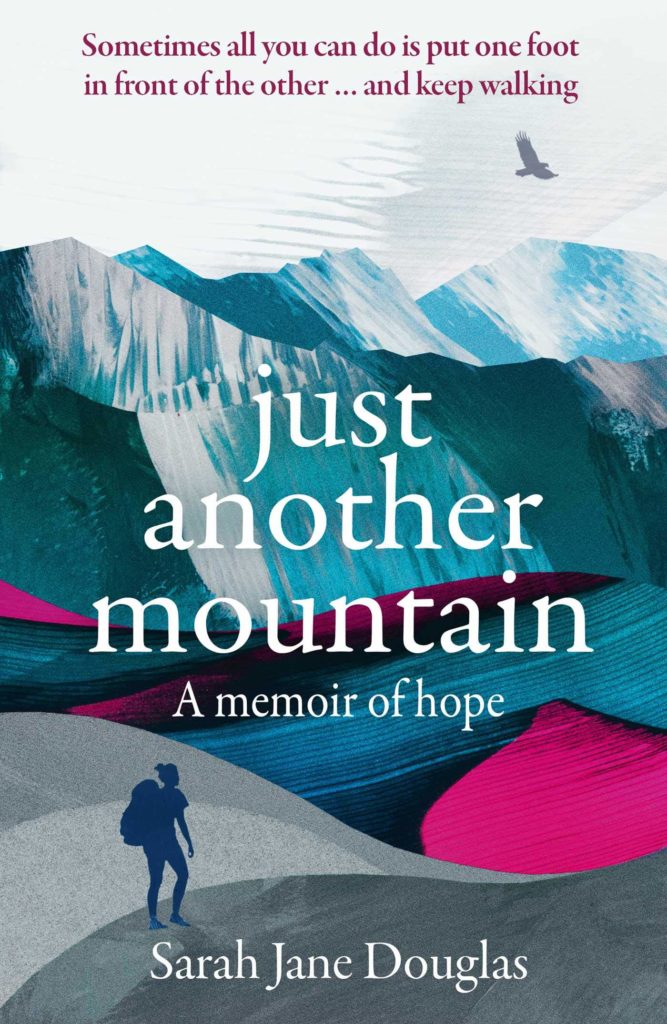 Just Another Mountain: A Memoir of Hope, Sarah Jane Douglas
Published by Elliott & Thompson Ltd, £14.99
This heartfelt and inspiring book from Sarah Jane Douglas looks at one woman’s journey into the beautiful and forbidding mountains of her native Scotland on a quest for self and the strength to face her grief at losing her mother. This book is a powerful reminder that by putting one foot in front of the other you can climb any mountain.
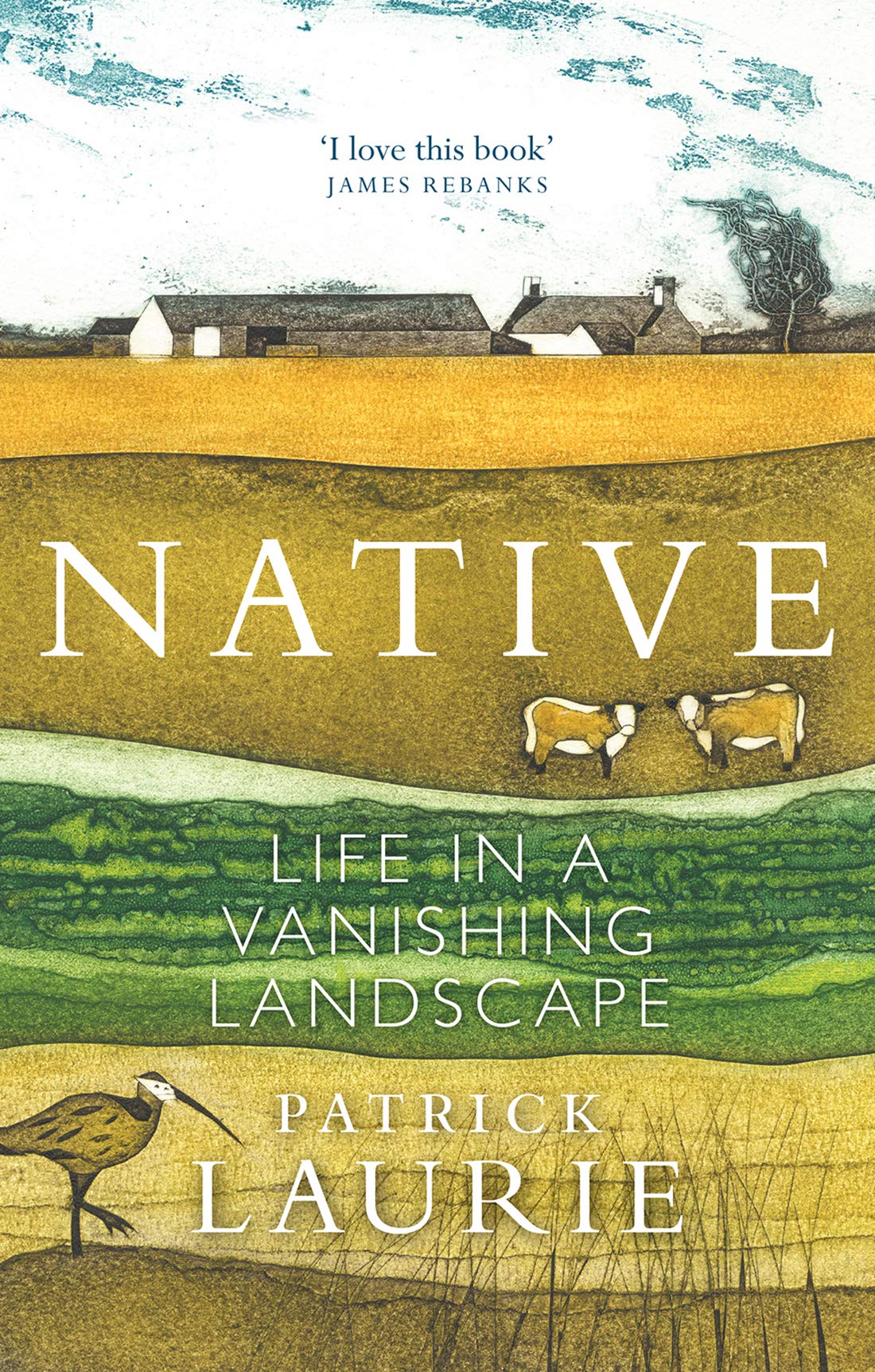 Native: Life in a Vanishing Landscape, Patrick Laurie
Published by Birlinn Ltd
Patrick Laurie reconnects to his native Galloway through working the land and cattle on his family farm there. Investing in the oldest and most traditional breeds of Galloway cattle, which demand lost traditions of rearing and caring, Laurie discovers the passing of an ancient rural heritage, and begins to uncover a way of life which once shaped the people, places and nature of his native land.
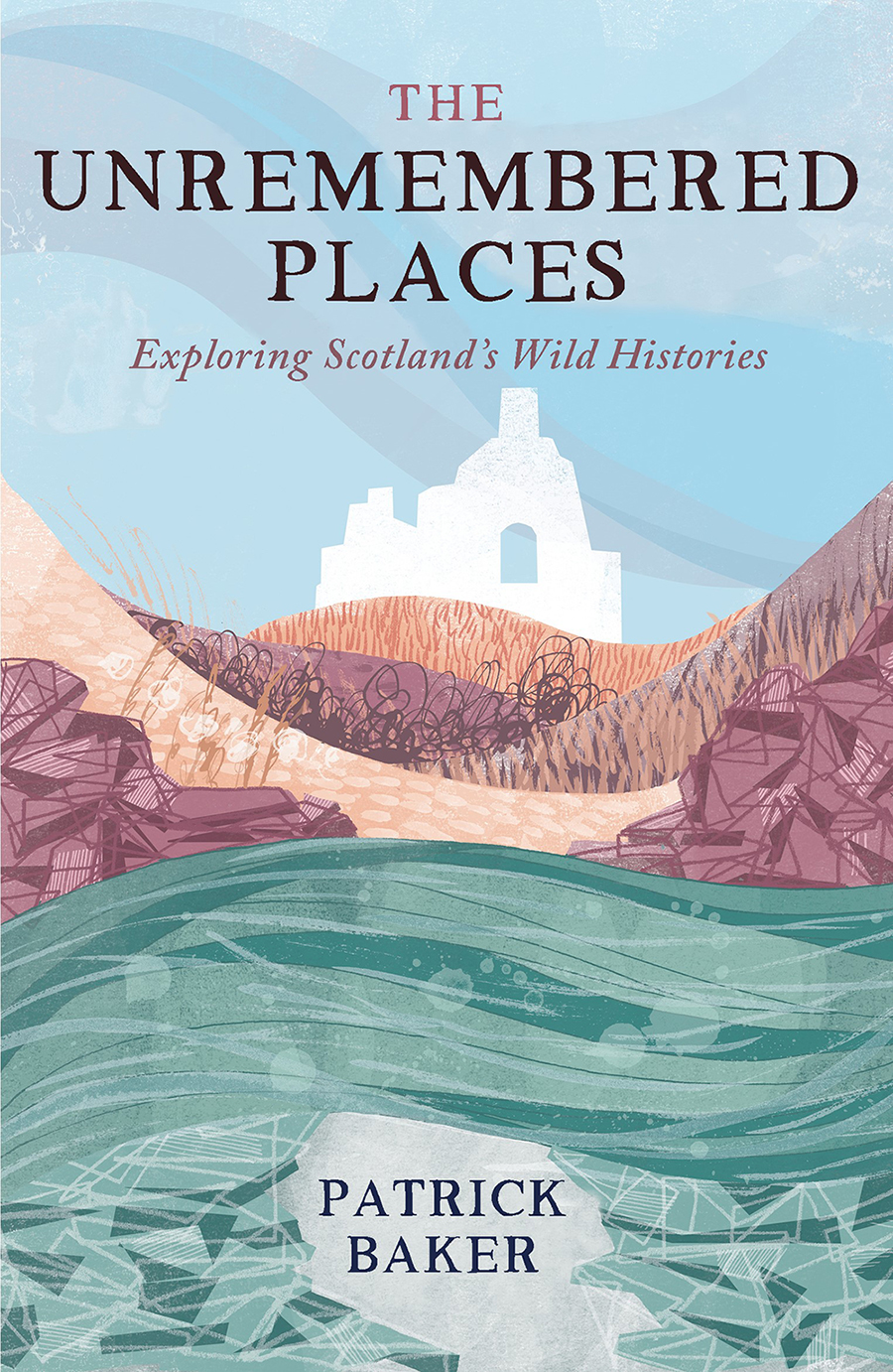 The Unremembered Places: Exploring Scotland’s Wild Histories, Patrick Baker
Published by Birlinn Ltd
Abandoned, uninhabited and forgotten places can be found across Scotland’s landscape, hiding incredible stories and past lives. Patrick Baker makes a series of journeys into these unnoticed and overlooked spaces and discovers unimaginable connections between people and place, painting a picture of the past that still resonates today.
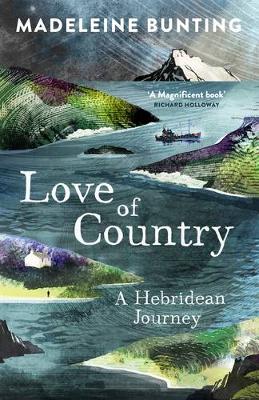 Love of Country: A Hebridean, Madeleine Bunting
Published by Granta Books
The Hebrides inhabit a extraordinary place in our imaginations, including Madeline Bunting’s. Over the course of six years she travels across the Hebrides and studies the islands’ remarkable stories and contribution to our rich history and culture. With great sensitivity, Bunting explores themes of home and belonging, tragedy and tenacious resistance, which she discovers underpins Britain’s identity, for better and for worse, in a powerful way.
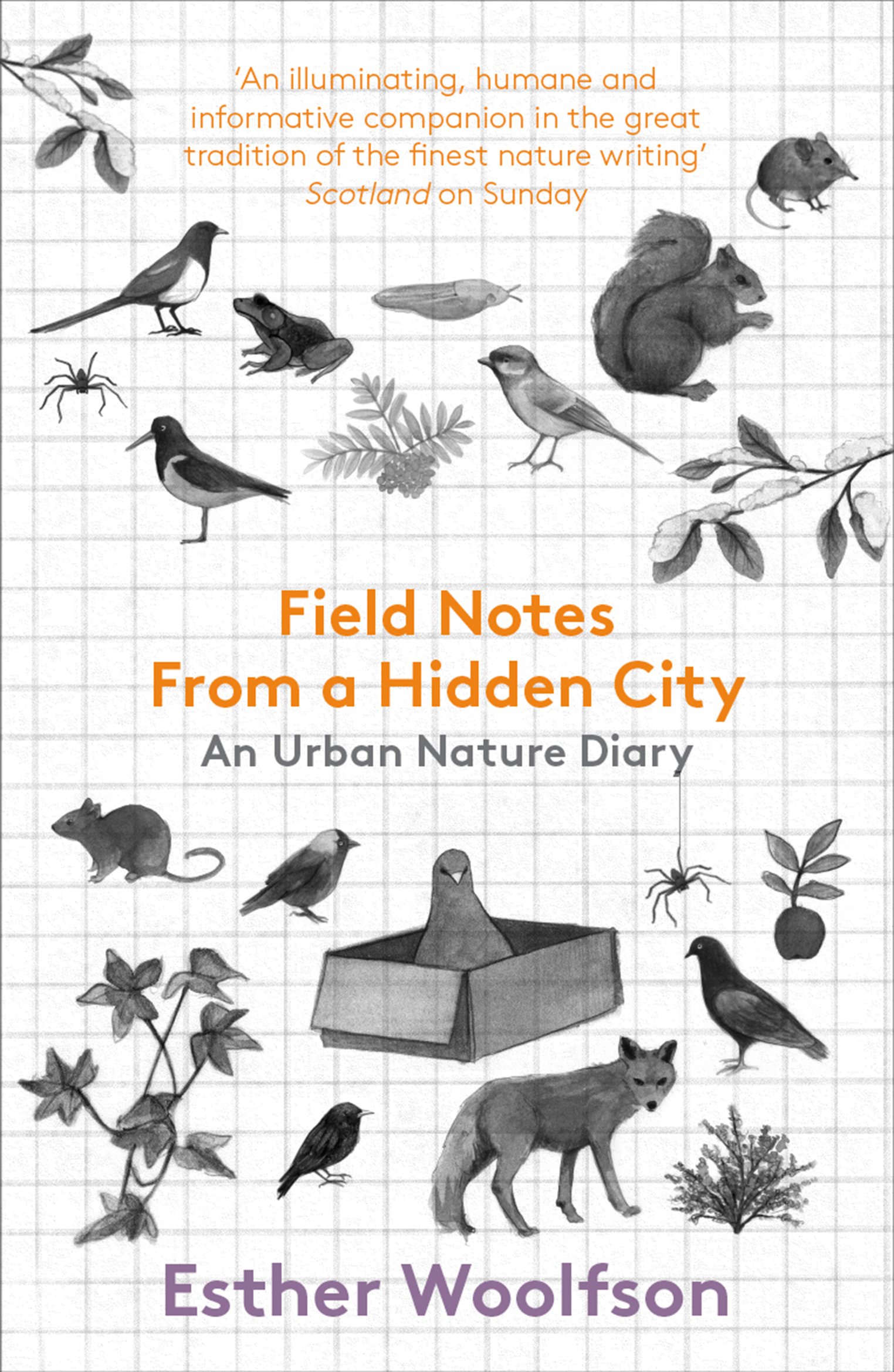 Field Notes From a Hidden City: An Urban Nature Diary, Esther Woolfson
Published by Granta Books
Written in absorbing prose, Esther Woolfson uses her city of Aberdeen as a backdrop for this close examination of the life of a city, its seasons, cycles, and how geographic, atmospheric and environmental elements support or inhibit the nature that exists within it. What Woolson discovers over the course of a year causes her to question the values we place on our lives and the lives of the species we live alongside.
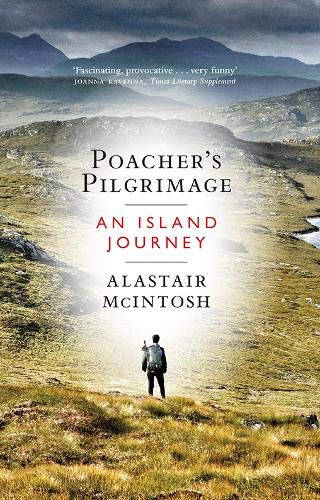 Poachers Pilgrimage: An Island Journey, Alistair McIntosh
Published by Birlinn Ltd, £17.99
Alistair McIntosh returns to the islands of his childhood and embarks on a pilgrimage that traverses both a physical and spiritual landscape in an exploration of the meaning of these places. His account is a powerful and moving reflection of an extraordinary place and its people, as well as an invitation to reimagine the course of our own trajectories and how land and community can bring us home to ourselves and each other.
We hope we have introduced you to books that will inspire you to revel, to celebrate, and, above all, to notice the world around you.
Claire McFall burst onto the writing scene in 2013 with her first YA novel Ferryman. With a further five bestsellers under her belt she’s just released an eBook, Making Turquoise, to raise funds for food banks during the coronavirus. BooksfromScotland caught up with her to find out more about what makes her tick as a writer and reader.
Making Turquoise
By Claire McFall
Kindle Edition – £1.99. All proceeds going to support food banks during the coronavirus
Your most recent novel, Making Turquoise, has a Romeo and Juliet feel and has been released as an eBook to help raise funds for food banks during the coronavirus. What was the inspiration behind both this written project and your act of generosity?
I wrote a first draft of the novel several years ago after a fatal stabbing of a friend’s boyfriend. It was senseless and based on nothing more than an argument that got out of hand. I wanted to show people what it was like to grow up in Central Scotland with sectarianism embedded so deeply in the culture, but I also wanted to show that, though life can be hard in these places, where industry has gone and left deprivation in its wake, it can be beautiful, too.
I decided to release it now during the coronavirus because the people who are central in the novel – hard-working, working class families – are likely to be the hardest hit financially by what’s happening. I’m not an essential worker, I can’t help people suffering in hospitals, but I could do this.
Your first novel, Ferryman, is a retelling of the ancient Greek myth of Charon. What was it about this particular myth that sparked your imagination?
I actually didn’t set out to rewrite the myth of Charon (I’ll be honest, I didn’t set out to rewrite Romeo & Juliet either – lol). Ferryman started with a dream of waking up alone on a train that had been packed. When I woke up, I figured, if I was the only one it happened to, it was probably something bad, and my mind immediately went, ‘Bet you were dead’. The ferryman myth was a very short leap from there.
Ferryman went on to sell one million copies in China. What was it about this novel that struck a chord with readers there?
Well, a few things, I think. They have their own death myths – the Black and White Impermanence – which is something similar (if a bit scarier), so there was that similarity. They also very much enjoy getting a glimpse into Western culture and seeing what life is like elsewhere in the world – again, something we share in common. When I talk to readers in China, though, the things that come up most often is simply the two characters and the strong relationship between them. They fall in love with the characters’ love.
Was Ferryman always going to be a series, or did its runaway success prompt you to explore Tristan and Dylan’s story further?
The first book ends, not on a cliff-hanger, but with the future still a question. I always intended to write more in the world of Dylan and Tristan, but when I finished, I really didn’t know how the story continued, so I left it and worked on other novels. I think Bombmaker was the book I wrote immediately afterwards. It was my mum who really inspired the plotline for the second book in the series. Whenever I’m doing anything she might remotely disapprove of (in that mum-like fashion), she’ll wag a finger and say, ‘Somebody always sees you!’ Annoyingly, she’s usually right. Anyway, that became the basis of Trespassers. When Dylan and Tristan did what they did at the end of Ferryman (spoilers!), another Ferryman saw them. And wanted to do it, too. They broke the rules and upset the balance, and Trespassers deals with the consequences of that decision.
Are you planning on retelling any other myths?
I’m not planning on it, but that doesn’t mean it won’t happen! I don’t tend to plan out what I’m going to write – or really make any kind of conscious decision about it. I just get grabbed by an idea and go away and write it. It’s a chaotic way to write, but it works for me! Black Cairn Point (which was just released as The Last Witness in the US) is centred around an evil spirit created through a massacre of Pagans when the Romans were advancing up Britain. The series I’m working on right now looks at witchcraft and divination. I like writing about our real world, but injecting a little bit of fantasy into it.
Your novels are full of adventure and twists and turns. What do you think is the key to a good pageturner?
I think emotions are the key. It’s really important to make your reader care for the character, then they’ll be desperate to go on the journey with them – whether that’s supernatural or just navigating the ‘real’ drama of life – to make sure they come out the other end of it okay. That’s why I always want to keep reading when I find a book I really like.
When writing your novels do you write in a straight line, do you jump around and then sew it all together later, or do you do something completely different?
I try to write in a straight line. I don’t outline in much detail (because I’m always so keen to just write), so I’m often feeling my way as I go. That can be disastrous: I’ve got more than one manuscript that’s ground to a halt at about thirty thousand words. But it’s the way I do it. If I outline every little twist and turn, I won’t want to actually write the story. The reason I write is for the discovery; I want to go on the same journey as the reader does, living it with the characters.
Sometimes, if I get really stuck or get a particular scene jammed in my head, I’ll jump ahead a bit and write it, then write towards it, but mostly I just start writing and see what happens. (Note: this is a terrible idea. If you want to be a writer, please don’t so this!)
What novels / writers have inspired you in your writing?
Malorie Blackman’s Noughts & Crosses really hit me between the eyes and got me back into reading (and writing) again when I was training to be a teacher after going back to university as a ‘mature’ student when I was twenty-five. I absolutely fell in love with Callum and oh man, the ending! If you haven’t read it, you should.
Another book that really inspired the way I write young male characters was Crossing the Line by Gillian Philip. I just love the way she crafted the main character, Nick, who’s a loveable bad boy.
What are you reading at the moment?
I just finished Alanna by Tamora Pierce. I think I might be the only person on the planet who didn’t read it when they were younger! I’m trying to decide whether I want to read the sequel (In the Hand of the Goddess) or the sequel to Alison Croggan’s The Naming (The Riddle).
What are you working on at the moment?
I’m working on a new series about a curse created by a character who saw a vision of his own death and tried to avoid it. It’s set in the real-world present-day, but it spans six hundred years, which means yesterday I got to write about a plague in Edinburgh in the 17th century!
What books are you looking forward to reading?
I’m desperately waiting for the sequel to Grace Draven’s Phoenix Unbound. I’m very into high fantasy at the moment – I like the escapism it offers which, yeah, I think everyone could do with a little bit of right about now!
Samantha Clark’s powerful memoir is alchemical in its exploration of creativity, connection, mental health and grief. Adeptly weaving meditations on nature, philosophy, science and literature into the subtle space in between personal thought and experience, Clark transforms weighty reflections into things of beauty.
Extract taken from The Clearing: A Memoir of Art, Family and Mental Health
By Samantha Clark
Published by Little, Brown Book Group
I walk through the bright tunnel of streetlights to the edge of the village. But I pause under the last light, surprised to feel the unmistakable and familiar slither of fear come to join me. A city girl, instinctively I glance behind me, scanning the silent village street, a fist of keys in my pocket – old habits die hard. It’s well past midnight now, and there are no lights on in the houses. Everyone’s asleep. I let go of my keys. I can slip away into the night unseen.
From here the footpath vanishes into an enveloping dark. I step out into it, wary, my head swivelling like an owl’s, blinking uselessly. I hold my breath to listen. I’m alert and on edge, senses all peeled back. Perhaps it’s the transition from streetlight to darkness that feels so ungrounding, that first moment of stepping out and not seeing where your foot will land. There is no moon. It’s unusually still, but there is just enough wind moving over the hills that I can hear how far they extend around me. The sound opens up the space of the night and it feels huge. I try to move quietly, but I stumble, no longer sure where my body ends, and I tread clumsily over the frosty tussocks, testing each footstep before committing my full weight. I feel like I’m crossing a boat’s heaving deck, and wonder if it’s possible to become accustomed to the way the unseen ground meets the foot so unpredictably in the dark in the same way one gets sea legs on a long voyage.
Once my eyes adjust and I settle in, I see it’s not completely dark. Everything is touched with a faint luminosity, the airglow of starlight diffused behind cloud. After the hectic orange of the streetlights, this silvered gloom feels like a cool hand laid gently on my forehead. I see in black and white, blocks and solids, big shapes, no detail. The gorse bushes are just dense black clumps, a bit blurred around the edges. The rounded hills above me slump heavily, darker against the charcoal grey of the sky. The ground is fogged around my unseeable feet. I make myself keep walking out into the darkness and it feels like when I am faced with a blank sheet of drawing paper or when I have written my way to the end of the last sentence where I knew what I was going to say, and know that I have to make myself keep on going, putting one word after another, because if I don’t I will just keep on circling those same well-lit streets of received thought and thinly veiled plagiarism. Any creative work is a walk into the dark, moving out towards uncertainty, trusting those quick darts of feeling, the almost physical twitch of recognition, the bubble- float dip that says ‘pay attention here’. Walking is as much a way of moving thoughts along a path as moving the physical body. I keep stepping forward, carrying my questions gently. There is something to discover, out here, in this wind- blown darkness. I have to wait, all senses open, observing what is to be observed, until my eyes adjust and I begin to see.
Goethe knew how to observe what is to be observed, how to watch and wait until finally he understood something about darkness and light. Goethe did not see darkness as just an absence of light, as most of his contemporaries did. He believed darkness was an active agent, and that light and dark act as opposing forces, like the poles of a magnet, interacting to create the phenomenon of colour. Newton famously shone a narrow chink of light from a shuttered window through a prism to reveal how white light could be sliced up into the separate colours of the spectrum. Goethe, on the other hand, wanted to understand light in its wholeness, watching how it behaves as it moves in the living world, not shuttered away in darkened rooms and bent out of shape by prisms. Noting that on a clear day the sky overhead is a brilliant blue, becoming paler as it nears the horizon, and that if you go up a mountain the sky becomes violet, Goethe understood that when we look at the sky we are seeing its true darkness illuminated by the sun’s light as it passes through the ‘turbid medium’ of the atmosphere. On the other hand, on a clear day the sun overhead is a very pale yellow, almost white in clear skies. But as it sinks towards the horizon it becomes orange, even deep red, as the atmosphere thickens and so darkens the sunlight. As the sun rises again, the atmosphere that we see it through becomes thinner, so it loses these warm, rich colours. I had watched this phenomenon unfold with every winter dusk and dawn I had observed or filmed over these last few weeks.
As Goethe watched the changing sky, he understood that colour emerged from the shifting balance of darkness and light, and that both light and dark are necessary for colour to emerge: ‘Yellow is a light which has been dampened by darkness; blue is a darkness weakened by light.’
Goethe’s insight was that darkness isn’t something to be eliminated, ignored, fixed or got rid of. It isn’t just an absence of light. It’s an active agent, interacting with light to produce the effects we see as colour. Out here on the dark hill, I keep on walking, following the track upwards, and leave the lights of the village further and further behind me. The darkness feels as if it is swallowing me whole. As I crest the hill and drop into a shallow dip even the red pinpricks of light from the distant off- shore wind turbines vanish from view. Still I keep on walking, away from the roads and houses, away from the people sleeping in their darkened homes, following the rough track out onto the open hill. And as I do, the big, dark night breathing over the moors no longer feels intimidating. I gulp in great lungfuls of the black air, drawing it into me, this active darkness that can twist warm yellow, orange, red out of plain white light.
The Clearing: A Memoir of Art, Family and Mental Health by Samantha Clark is published by Little, Brown, priced £14.99
For some reason David Robinson had never read any Jane Harris books until recently. Now having read and enjoyed them all he urges everyone else to do the same.
David Robinson Reviews: Sugar Money
By Jane Harris
Published by Faber & Faber
Every newspaper books editor makes mistakes. Even if they don’t always admit it, there is always some writer they feel guilty about, whom they ought to have read but never did. Maybe on the day the press release arrived making stonking claims for a debut novel they subsequently ignored, they were feeling just a little bit jaded. Perhaps they had seen the balloons of hype burst too many times, all those hundreds of books that never came close to matching their publishers’ promises. It happens.
In the first 15 years of this century, when I was The Scotsman’s books editor, I probably interviewed, reviewed or at least read most of Scotland’s best writers. Jane Harris, for no good reason, never made that list. I made sure that we reviewed her books, but I never read any of them. Now that I’ve just finished reading all of them, I’m feeling very guilty indeed, because she clearly is the reigning queen of Scottish historical fiction.
So let me, not just as a penance, but because there may still be some benighted souls out there who still haven’t read a Jane Harris novel, try to back up that claim.
If you start reading Harris’s debut novel, The Observations, you realise how quickly her multiple narrative hooks sink in. In the early 19th century, a 15-year-old girl in a bright yellow frock with white satin bows is walking to Edinburgh from Glasgow, trying and failing to shake off a randy young Highlander, when she sees two policemen on horseback riding towards her, and decides to take a side road signposted to “Castle Haivers”. Maybe they’ll have a job for me, she thinks, and indeed there is, working as a maid for the beautiful English mistress of the house, who makes it a condition of employment that every day she must keep a record of her thoughts and deeds.
The maid is Bessie Buckley, and she is irresistible. When the judges for the 2006 Orange Prize put The Observations on their shortlist, they probably did so because they’d never come across such a thoughtfully brassy, and irreverent ingenue. And of course they hadn’t, because those adjectives, which are usually antonyms, can only apply to a fully three-dimensional character. These are rarer than they ought to be, but Harris seems to be able to turn them out at will.
Look again at the set-up. Why the yellow frock with white satin bows? What is Bessie running away from? Why is she avoiding the police? Will Castle Haivers be a Scottish Gormenghast? Maybe the randy Highlander is there for comic effect, but surely Bessie’s relationship with her new home’s beautiful chatelaine is different? All of these are questions that make the reader keep turning the pages, but as they do, still deeper questions emerge. Is this a love story, or something more complicated? Isn’t it also about writing itself, and how those observations about her own life that Bessie is tasked with producing, can never tell a true story?
What I love about Harris’s novels is the way that they take the uncertainties we all have about the present and plonk them down again in that other, usually more certain country (because we know what happened) of the past. Our guesses – even those made with apposite triangulations of class and gender – about her characters invariably turn out to be wrong. And yet for all Harris’s skills of characterisation and her fine ear for dialogue, buried within her books is an even bigger hook. Because when you read one, you’re never entirely sure what kind of novel it is going to turn into.
Take Gillespie and I, her second novel. All three are good, but this one – set in late 1880s Glasgow with a coda in 1930s London – is my favourite (it’s hers too – mainly, she says, because she felt she pulled off the challenge “of writing about a character far more intelligent than I am”).
To me, Gillespie and I is a “buttonhole novel” – one you really just want to shake people by the lapels and tell them to read, rather than explain why. In fact, explaining exactly who its central character is and precisely what she does would spoil your enjoyment of the book just as much as someone in the next seat at the cinema nudging you in the ribs and warning you to watch out for Michael Myers would ruin watching Halloween.
Its plotting is extraordinary. Most writers would deal with the deceptions at its heart by splitting the story into two and telling it from two different characters’ points of view. Instead, Harris stirs a pile of contradictions – carefully rationed at first, heaps at the end – into a single narrative. Lord knows how she manages to pull it off – along with a credible time shift and a plot turned almost inside out – but she does. It is one of the finest examples of Scottish historical fiction written this century, and why it didn’t even make the shortlists of a single prize for literary fiction baffles me.
Sugar Money, the novel Harris will be talking about at the Edinburgh book festival, is hugely different from both these novels: Lucien, her first male narrator, is a teenage slave with an adored elder brother, and the plot is based on a true story that happened on the island of Grenada in 1765. Fidelity to the historical record is a necessary constraint on the plot, in which Lucien accompanies his elder brother on a mission to assemble and transport a shipload of stolen slaves from Grenada to Martinique. Harris’s use of language, however, remains mercurial, with Lucien’s wild mixture of English, French and Creole consistently convincing.
Harris is white; her lead characters here are black, and many white writers might have been deterred by that from starting the story in the first place. “Of course I’m aware of my white privilege,” she says, “and I did ask various friends, writers of colour, if I was crazy to tackle such a subject. They told me that yes, I probably was crazy – but as long as I did it well enough, it wouldn’t matter. So I knew I’d have to write a good book.”
She has. This is a book that fully realises, through the lively mind of an adventurous but essentially naive 13-year-old, the horrors of slavery largely by showing just what Lucien has learnt to take for granted. It trashes any notion that Scots were somehow uninvolved in slavery, and fully realises all the cruelty, horror and tragedy involved. Yet this is, at the same time, a story of fraternal love, escape and adventure: the spirit that hovers above it is that of Stevenson, whose The Beach at Falesa was, Harris says, her “touchstone book”.
Though it didn’t win, Sugar Money was shortlisted for the Walter Scott Prize for historical fiction earlier this summer, the only novel by a Scottish writer on it. Her next novel will, she says, be her first with a contemporary setting, so her reign as Scotland’s queen of historical fiction could be coming to an end. Before it does, don’t make my mistake. Read a Jane Harris novel. If you’ve already read one, read all three. Because you’re worth it.
Sugar Money by Jane Harris is published by Faber & Faber and priced £14.99.
Jane Harris will be at the Edinburgh International Book Festival on 23 August.
The Scottish National Gallery’s landmark Rembrandt exhibition showcases major works by the legendary Dutch Master alongside those of the many British artists he inspired. In the accompanying book – Rembrandt: Britain’s Discovery of the Master – some of the world’s leading experts reveal how the taste for Rembrandt’s paintings, drawings and prints evolved, growing into a mania that gripped collectors and art lovers across the country.
Extract from Rembrandt: Britain’s Discovery of the Master
by Christian Tico Seifert and others
Published by National Galleries of Scotland
Rembrandt Harmensz van Rijn (1606–1669), who spent his entire career as a painter, draughtsman and printmaker in the Dutch Republic, enjoyed considerable fame beyond his home country and throughout Europe during his lifetime, and that has continued ever since. In recent decades, his imagery has become ubiquitous, making him a global brand like few other artists in history.
The son of a miller, Rembrandt was born and trained in Leiden, where he spent his early career. From 1631 he also worked in Amsterdam, mainly as a portrait painter, and he settled there permanently in 1633. Rembrandt married the following year and enjoyed a successful career as painter and printmaker, covering all subject matters and receiving important private and public commissions. He oversaw a busy workshop with many pupils. Rembrandt nevertheless ran into financial difficulties – most likely due to an enormous mortgage on his house and substantial expenditure on his art collection – and was declared insolvent in 1656. After his large house and possessions had been sold, he continued to work in Amsterdam until his death. Contrary to what is widely believed, Rembrandt did not die in poverty, although he never again prospered as he had done at the height of his career.

Rembrandt, A Woman in Bed (Sarah), c.1647. Oil on canvas, 81.1 x 67.8 cm (National Galleries of Scotland)
The story of Rembrandt’s art in Britain, and of how it inspired collectors, artists and writers, is exceptionally rich. There is still a wealth of paintings, drawings and prints by Rembrandt to be found in British collections, but the number of his works that have been here at some point in their history is simply staggering, and surpasses any other country apart from the Netherlands, where they originated. Moreover, no other nation has witnessed a similarly passionate, and sometimes eccentric, enthusiasm for Rembrandt’s (or indeed any artist’s) works, particularly in the eighteenth century.

Rembrandt, Portrait of the Preacher Jan Cornelis Sylvius, 1633. Etching, 16.4 x 14 cm (National Galleries of Scotland)
In the seventeenth century, Rembrandt was predominantly known for his etchings. Few paintings or drawings seem to have been in the country before the final decade, when the art market in London grew to international importance and the taste for Rembrandt’s art began to develop. The eighteenth century was marked by his wider discovery and sophisticated collecting, culminating in what contemporaries described as a ‘craze’ for Rembrandt’s works. The nineteenth century saw a re-evaluation of Rembrandt’s reputation, combined with widening access through public collections, exhibitions and mass reproductions, including photography and, towards 1900, the sale of many prized paintings to Germany and the United States. Rembrandt was the main stimulus for the etching revival, which continued into the twentieth century. Many modern artists were attracted to Rembrandt, as are a number of contemporary artists, evidence that the Dutch master continues to inspire in the twenty-first century.
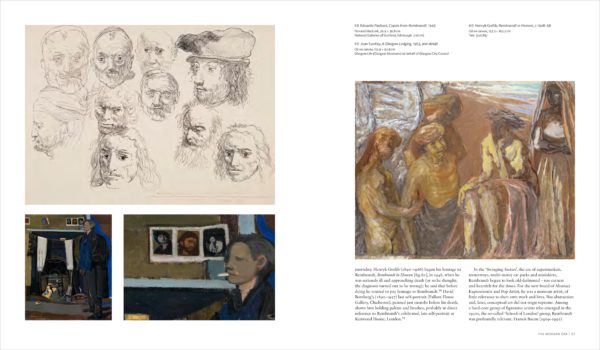
Pages 56 and 57 of the book show images by Eduardo Paolozzi, Joan Eardley and Henryk Gotlib.
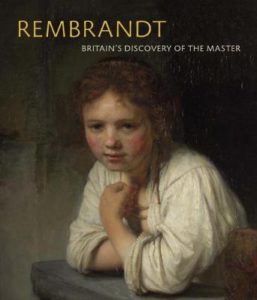
Rembrandt: Britain’s Discovery of the Master by Christian Tico Seifert, Peter Black, Stephanie S. Dickey, Patrick Elliott, Donato Esposito, M.J. Ripps and Jonathan Yarker is published by the National Galleries of Scotland and is priced £22.
The exhibition is on at the Scottish National Gallery in Edinburgh until 14 October 2018. Tickets cost £15 and concessions are available.
Edinburgh was the world’s first UNESCO City of Literature. Awarded the title in 2004, the city embarked upon a remarkable mission to grow a network of cities of literature and there are now twenty across the globe – Melbourne, Iowa City, Dublin, Heidelberg, Prague, Reykjavik, Norwich, Dunedin, Krakow, Granada, Ulyanovsk, Baghdad, Tartu, Lviv, Ljubljana, Barcelona, Nottingham, Óbidos and Montevideo, along with Edinburgh.
Building on a strong historical legacy of writers, publishers, philosophers, booksellers, libraries, and universities, Edinburgh City of Literature extends its reach into the life of the city with words projected onto castle walls, pub windows, the main railway station, and elsewhere.
Literary apps
In August, when the streets are full of festival crowds, take a walk through its literary heritage. There’s a great collection of apps on the Edinburgh City of Literature website: let one of them guide you round.
A detailed map
For a walking tour of the city, we also recommend a detailed map such as Edinburgh on Foot (by Hallewell Pocket Walks) that offers you a variety of walks through the centre.
Top 10 Edinburgh books
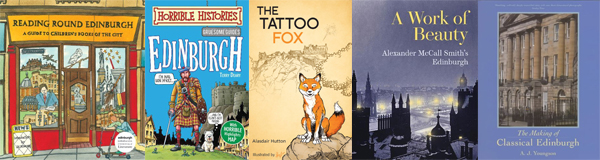
And should you want a fully immersive experience of the city, here’s our Top 10 Books inspired by Edinburgh and its streets.
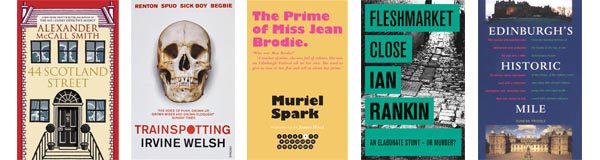
44 Scotland Street by Alexander McCall Smith (Little, Brown)
Trainspotting by Irvine Welsh (Vintage)
The Prime of Miss Jean Brodie by Muriel Spark (Polygon)
Fleshmarket Close by Ian Rankin (Orion)
Edinburgh’s Historic Mile by Duncan Priddle (Luath Press)
Reading Round Edinburgh: a Guide to Children’s Books of the City Edited by Lindsey Fraser and Kathryn Ross (Floris Books)
Horrible Histories: Gruesome Guides: Edinburgh by Terry Deary (Scholastic)
The Tattoo Fox by Alasdair Hutton (Luath Press)
A Work of Beauty by Alexander McCall Smith (Historic Environment Scotland)
The Making of Classical Edinburgh by A J Youngson (Edinburgh University Press)
Books, beer biscuits
And, for lovers of print culture, Edinburgh used to be known as the city of three B’s for its books, beer and biscuits.
For further reading related to this article:
Edinburgh and Reykjavik: A Tale of Two Cities of Literature
Look Up Edinburgh by Adrian Searle and David Barbour
David Robinson Reviews: Enlightenment Edinburgh by Shelia Szatkowski
From Julia Donaldson’s energetic rhyming performances to Scotland’s first modern Makar Poetry Award. There is something for everyone to enjoy in our Festival City this year.
The Edinburgh International Festival
Neu! Reekie! #1 and Neu! Reekie! #2
12 August 7pm and 7 August 7pm
Avant-garde collective Neu! Reekie! have been busy feeding and nurturing an exciting grassroots scene in Edinburgh since 2011, and they’re bringing a typically delicious, eclectic and iconoclastic line-up to the International Festival with this triple threat of international talent.
The Fringe
The Gruffalo, the Witch and the Warthog with Julia Donaldson
Thursday 2 to Monday 27 August 2018, 11.00am
Following a sell-out season in 2015, the UK’s best-selling author Julia Donaldson returns to Edinburgh with a brand-new show featuring Room on the Broom, The Magic Paintbrush, The Ugly Five, Superworm, The Gruffalo and newly released The Cook and the King. The cast of five, including husband Malcolm, bring Julia’s stories to life with songs, puppetry and plenty of help from the audience.
Edinburgh International Book Festival
Helping Literature Flourish an event at the Edinburgh International Book Festival
Saturday 11 August 2018, 4pm – 5pm
Being a writer can be a precarious business. With threats to funding and publishers struggling, the networks and communities that support writers have become increasingly important to their creative life. Bringing together a panel from Publishing Scotland, the new National Centre for Writing in Norwich and the RLS Fellowship in France, this discussion explores how we can ensure literature thrives in Scotland and beyond.
Late Nights at the Book Festival with Unbound a series of free and unticketed evening events at the Edinburgh International Book Festival
Sunday 12 – Monday 27 August 2018, 9pm – 11pm
A nightly literary cabaret of talented voices playing with words, music, illustration, poetry and performance in our Spiegeltent in Charlotte Square Gardens throughout the Festival.
Rehearsed Reading of Muriel Spark’s Doctors of Philosophy to be presented at the Edinburgh International Book Festival
Sunday 19 August 2018, 5.30pm
Muriel Spark’s only written work specifically for the stage, Doctors of Philosophy will be brought to life in its entirety in this one-off performance at the Edinburgh International Book Festival.
Edwin Morgan Poetry Award judged by Janice Galloway and John Glenday
Wednesday 22 August 2018, 7pm – 8pm
Conceived by Edwin Morgan before his death in 2010, this Poetry Award is a gesture of characteristic generosity by Scotland’s first modern Makar. Every second year, prize money of £20,000, bequeathed by Morgan, is awarded to a young Scottish poet. Previous winners have included Niall Campbell and Jen Hadfield. Join judges Janice Galloway and John Glenday to find out the winner of the 2018 award.
Royal Botanic Garden Edinburgh
The Lost Words An Exhibition at the Royal Botanic Garden Edinburgh
Running until Sunday 2 September 2018, 10.30pm – 5.30pm
The Lost Words is a unique collaborative project between writer Robert Macfarlane and artist Jackie Morris. Taking the form of both an exhibition and a book, The Lost Words celebrates the relationship between language and the living world, and of nature’s power to spark the imagination.
The Edinburgh Art Festival
Rembrandt | Britain’s Discovery of the Master An Exhibition at National Galleries Scotland
Running until Sunday 14 October 2018, 10am – 5pm
A unique opportunity to visually experience the exceptionally rich story of Rembrandt’s fame and influence in Britain. An exclusive exhibition only to be shown in Edinburgh offering over 130 works by the master himself, as well as works by some of Britain’s best loved artists.
The book festival provides an intriguing instance of the overlapping cultural, social and economic dimensions of contemporary literary culture. In this article Dr Beth Driscoll and Professor Claire Squires give a brief introduction to the application of a new conceptual framework, that of game-inspired thinking, to the study of book festivals.
Following a trip to the Ullapool Book Festival a couple of years ago, the two of us have been thinking about book festivals in a slightly unusual way: as games. Book festivals bring together a fascinating mix of people and organisations, and as academics (as well as booklovers) we’re interested in the role festivals play in culture and in the publishing industry. The lightly competitive form of the board or card game seems to work as a way of representing what goes on: the different players, the multiple aims, the wins and losses. So we set out to make some…
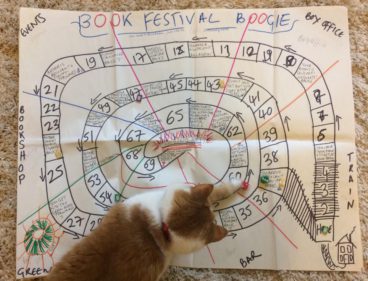
Book Festival Boogie
The first book festival game we made was a failure — but an interesting one. We designed a ’race game’, from box office to author events to closing night party. Tom Gauld’s recent Guardian cartoon has some similarities to our board, which is further proof if more were needed that great minds think alike. Where our ‘Book Festival Boogie’ differs from Gauld’s game, however, is that we followed the point of view of a reader, not an author. And it turns out this is difficult to do in ways that don’t feel totally oversimplified — people’s reasons for being in the audience of festivals are too varied and subtle. Readers can’t easily be put into boxes (nor can cats).
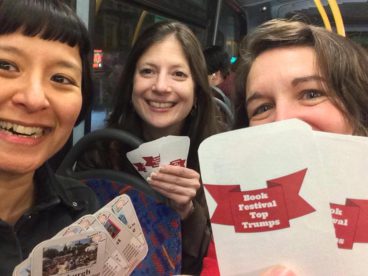
Playing Book Festival Top Trumps on the bus
Book festivals, on the other hand, are regularly put into boxes by funding bodies, the media, and the literary world at large. Our second game, ‘Book Festival Top Trumps’, plays with this idea. Each card ‘scores’ book festivals against a range of criteria: attendance, prestige, programming, Twitter presence and the charming (but ultimately still measurable) ‘Unique Selling Point’. So, for example, Bloody Scotland has its writers’ football match; Wigtown has lobsters in the green room; and the virtual #ScotLitFest can be attended in your pyjamas. This game models the way in which festivals are sometimes pitted against each other. It allows players to take on the point of view of festival organisers, who must justify and promote their festival to a range of different stakeholders.
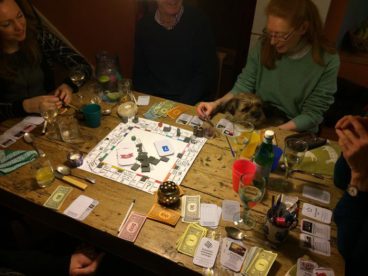
Bookfestivalopoly
Our most engaging and complicated game, one which stretches the metaphor most fully, is ‘Bookfestivalopoly’. This game is played from the perspective of the author, who must try and earn speaking fees and ‘critical acclaim’ points by landing on festivals arranged around the board, Monopoly style. Part of the satirical play of this game is realising that there is a hierarchy of festivals, from obscure niche genre festivals in small European countries through to the marquee events of Edinburgh and Hay (the Mayfair and Park Lane equivalents). We decided to highlight the bias of such hierarchies by putting Scottish festivals (Bloody Scotland, #ScotLitFest and Ullapool) near the top. (Australian events – the Byron Bay, Melbourne and Sydney Writers Festivals – ranked pretty highly too).
Our games aren’t designed to be commercially produced; instead, they are thinking tools created as part of our research. We recently published an article ‘Serious Fun: Gaming the Book Festival’ in the academic journal Memoires du Livre/Studies in Book Culture detailing our project. Thinking about book festivals as games is a way to enjoy their many, overlapping dimensions: as places where you can encounter authors and books, meet friends, be a tourist, support publishing, and vanquish rivals (whoever they may be!). Time to roll the dice.
About the Authors:
Dr Beth Driscoll is Senior Lecturer in Publishing and Communications and Program Coordinator for the Master of Arts and Cultural Management at the University of Melbourne. Claire Squires is Professor of Publishing Studies at the University of Stirling. Further details of their work can be found at https://ullapoolism.wordpress.com/.
Like farmers, most children’s authors need to diversify! Barbara Henderson tells us about her own unique approach which includes puppetry and food demonstrations.
It’s festival season, and I am going to give it all I’ve got.
I am an author with a new book to promote, but lined up against my study wall, alongside the inevitable boxes of books, are many, many more items. It’s an eclectic collection:
A huge shadow puppetry screen, a roll of thick black paper, multipacks of scissors. A shopping bag stuffed with hand puppets, both modern and old-fashioned/wooden. A packet of six giant inflatable seagulls. A violin case, containing (wait for it) … a violin! Books about myths and legends, and a nature spotter’s guide to Scotland. A rail of tartan hats, kilts and waistcoats. Other props include a plastic scythe, a false nose, a baby’s napkin and a giant blue sheet, shimmering in the summer sun.
Why?
Children’s authors are a resourceful and diverse lot, but if I have learned anything ahead of the publication of my third book for 8-12 year-olds, the eco-thriller Wilderness Wars, it is this: Children’s authors are like farmers – we have to diversify to make ends meet. In order to be hired, and paid (!) for events and festivals, we have to ensure that we are an attractive package. So, what do I bring to the party that makes me unique?
I had to think about that one. Eventually, I came up with the following:
- I am a drama teacher and am not scared to get children on their feet
- As a puppeteer, I could tap into a bit of expertise with string, glove, and shadow puppets
- I can play the fiddle
- As a teacher, I could have a go at teaching youngsters some creative writing tricks
- Could I do some storytelling? How hard could it be? Not so very different from performing a puppet show in front of a noisy group of kids, surely.

Barbara with Punch puppet
I was lucky enough to have been invited to several festivals last year, including the Nairn Book and Arts Festival and Islay Book Festival. This year my new book will be launched in Edinburgh on 16 August (pop along if you like, Museum of Edinburgh Lecture Theatre 4.30-6pm. The inflatable birds will feature as it is a book about nature fighting back…) and I am also appearing for the National Trust as part of the Nairn Programme again. Yes, I will talk about my book, but the event will also feature Wilderness Wars-inspired shadow puppetry and a nature-themed story-telling session, in keeping with the book’s eco focus.

Shadow puppetry
In August, I will also take part in the LIVE!/BEO festival where I am going to run a brief creative writing activity for primary aged children, demonstrating how we can and should play with story possibilities. In the afternoon, I am thrilled to appear on a panel judging young people’s pitches for arts funding.
At Dingwall’s Word on the Street Festival in September, I have agreed to run a general puppetry workshop, with readings from my books to inspire each activity.
Of course, others approach me to appear at events, but it is up to me to offer a range of interesting and attractive options for activities, and to say yes. Always.
With each book, there is an enormous opportunity to reinvent yourself as a writer. Nothing is wasted, every skill or experience you bring is going to be valuable, I realised. You just need to pluck up the courage to tap into the rich compost of your past experience and watch the possibilities grow. As a keen baker, I’d researched the recipe and ingredients for the staple diet during the Highland Clearances during the writing of my debut, Fir for Luck. 19th Century rural Scotland ate beremeal scones, apparently. It was a small step to offer Highland Clearances-style baking to schools as an activity during author visits, and it was popular – and surprisingly delicious. This led to me being asked to do a cooking demonstration for adults at a festival Food Day – and guess what? While the scones were in the oven, I was able to give a reading from my book which helped sell a few copies. During school and museum events, my fiddle playing came in handy during impromptu village ceilidhs as I acted out scenes from Fir for Luck and improvised modern equivalents.

Local pupils act out a Highland Clearances scene from Fir for Luck with Barbara at Strathnaver Museum
Of course there is a certain pressure – any event with an audience will generate that – but by thinking of as varied, interesting and diverse an approach to selling and marketing each book, we as authors give ourselves a better chance of being remembered, and ultimately being hired for festivals, conferences and school visits.
And wherever there is an element of risk, things can go wrong, too. I remember a paralysing moment when two string puppets got entangled in a stage fight and I had to improvise my way out of it in front of a live audience who, I’m sure, knew desperation when they saw it. The time a child I didn’t pick for an activity bursts into tears, and the time I handed a child a dressing up outfit which would never fit. The moment Mr Punch’s stick, inflatable, refused to inflate, much to the amusement of my audience who commented with glee on my effort-reddened face.
Been there, done that, got the t-shirt.
But when it works, it’s magic. Children who assume that a book event with an author may be boring can be proved wrong.
They should be proved wrong. It’s festival season, and somewhere near you, a children’s author will give it all they’ve got.
Barbara Henderson is the author of two previous novels for children, both of which are already used widely in Scottish schools: Highland Clearances tale Fir for Luck and Victorian boy-on-the-run story Punch.
Wilderness Wars is her third novel. Set on a fictional island west of Harris, it asks the question: What if Nature fights back?
12-year-old Em is taken to live on the island while her father and others are constructing a luxury resort. But soon the workers and their families are beset by mishaps, setbacks and eventually, dangers. The wilderness has declared war. Barbara hopes it will prompt readers to ask their own questions: Do we value our wild places enough? And should we think twice before thoughtlessly imposing our will on them?
Wilderness Wars will be published by Pokey Hat (an imprint of Cranachan) in August 2018 at £6.99
ALSO ON BOOKS FROM SCOTLAND
-

David Robinson Reviews: The Loch of the Bees
‘The past’s current flows through the characters in his fiction so strongly that it almost becomes t …
-
The Nightkeeper’s Apprentice by Jude Reid
‘She’d never seen anything like it. The whole sky was lit up in ribbons of colour – blue, green, yel …
-

David Robinson Interviews: Gavin Francis
‘He’s not my GP so I can’t say this for sure, but based on this book – wise, informed, well-written, …
-
The Cromarty Library Circle by Shona MacLean
‘No one in the room could have been unaware of what it was that Dr Fraser alluded to. The horrors pe …
-

In Search of Gems by Kenneth Steven
‘It still amazes me that these magnificent shells grow in a river. Never mind whether they have pear …
-
Winterbourne by Elisabeth Wolf
‘The Coopers stared at each other for a second, two seconds. ‘It’s a sign—’ said Cooper.’
FEATURED AUTHOR:
Lorraine Wilson

Lorraine is an award-winning writer, biologist, herder of cats and drinker of tea. Having spent years working in remote corners of the world she now lives by the sea in Scotland and writes stories full of the wilderness and folklore, exploring themes o …
FEATURED PUBLISHER:
Glasgow Museums

We have a long history of publishing – Kelvingrove Art Gallery and Museum opened in 1901, and people have been writing about and publishing on the city’s collections ever since. The focus of Glasgow Museums Publishing programme is naturally the one mil …